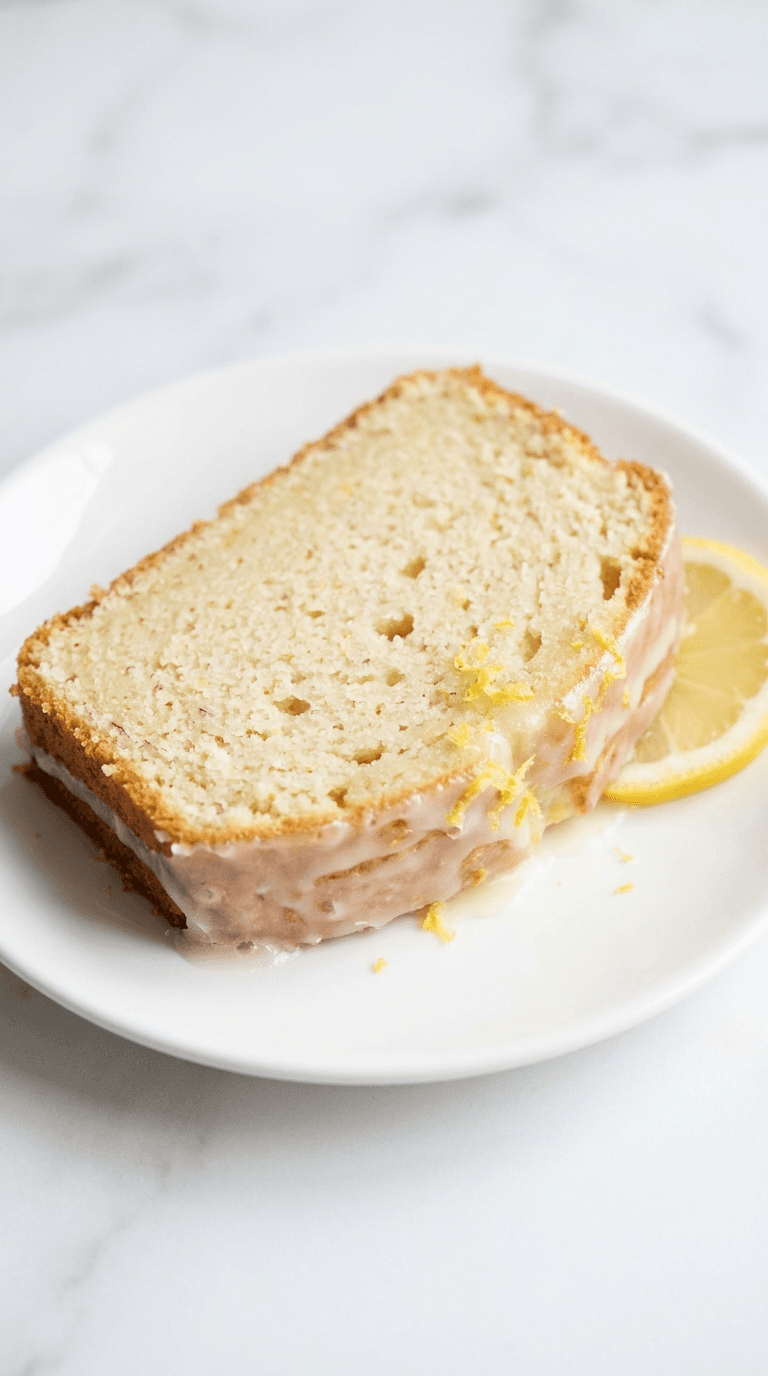
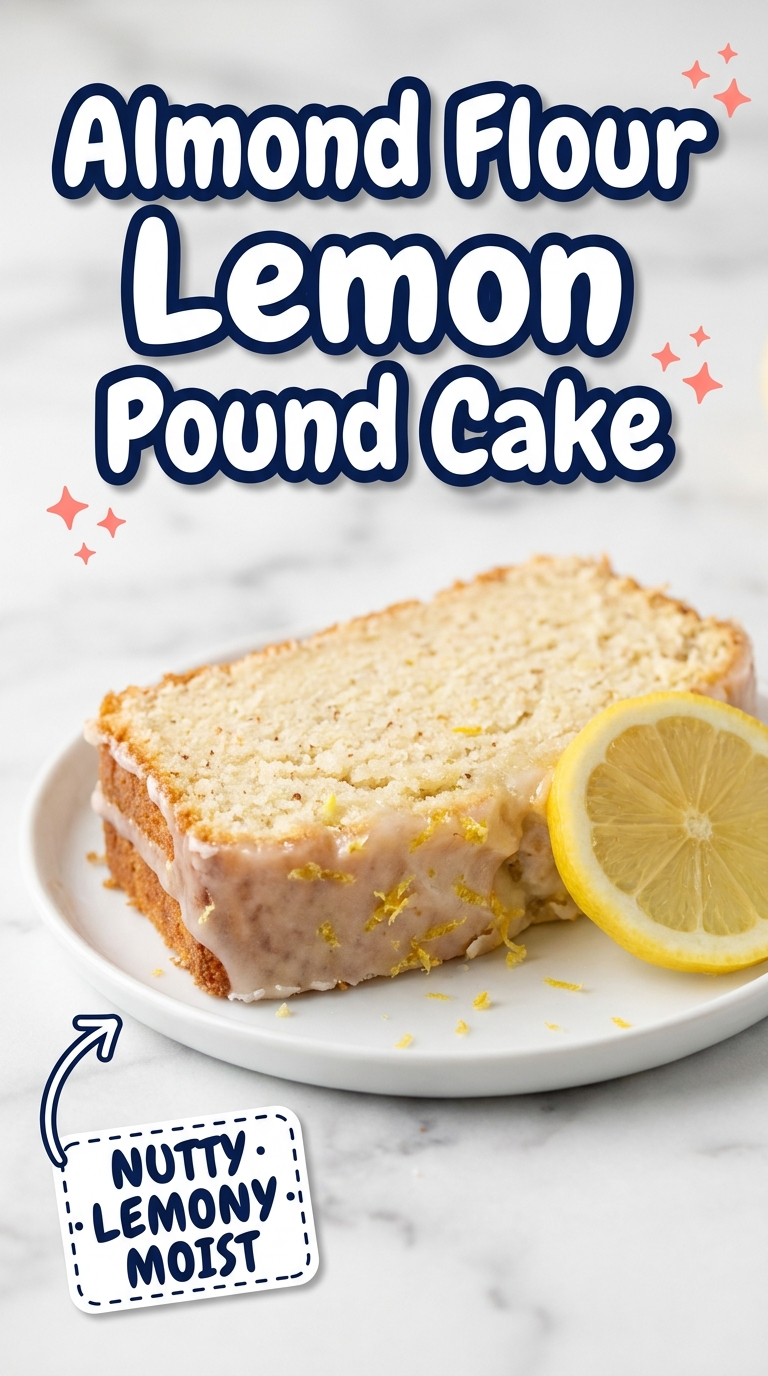
Almond Flour Lemon Pound Cake
Jump to recipeDiscover a light almond flour lemon pound cake that's moist, bright, and easy to bake with lemon zest and subtle sweetness.
Almond flour lemon pound cake is the kind of bake that makes the whole kitchen smell like sunshine. Bright lemon, tender crumb, and that sweet-tart finish you taste before the fork even lands. This low carb lemon cake keeps things light without skimping on flavor, and it slices like a dream for brunch or an afternoon coffee break.
The recipe
Almond Flour Lemon Pound Cake
- Prep
- 15 min
- Cook
- 50 min
- Total
- 65 min
- Servings
- 12 servings
Nutrition Facts
Original author values. Recipe yield: 12 servings.
- calories
- 230
2× the original author values. Recipe yield: 12 servings.
- calories
- 460
3× the original author values. Recipe yield: 12 servings.
- calories
- 690
Ingredients
- 2 1/2 cups blanched almond flour — fine; not almond meal
- 3/4 cup granular zero-calorie sweetener — erythritol or monk fruit blend
- 2 teaspoons baking powder — fresh
- 1/4 teaspoon baking soda
- 1/2 teaspoon fine sea salt
- 3 large eggs — room temperature
- 1/2 cup unsalted butter — melted and slightly cooled
- 1/2 cup Greek yogurt or sour cream — room temperature
- 2 teaspoons vanilla extract
- 2 lemons, zested — about 2 tablespoons zest
- 3 tablespoons fresh lemon juice
- 1-2 tablespoons poppy seeds (optional) — stir in with dry ingredients
- 3/4 cup powdered zero-calorie sweetener — sifted
- 2-3 tablespoons fresh lemon juice — enough for pourable glaze
Instructions
- Preheat oven to 350°F (175°C). Line an 8.5×4.5-inch loaf pan with parchment, leaving overhang, and lightly grease the sides.
- In a large bowl, whisk almond flour, sweetener, baking powder, baking soda, salt, and poppy seeds if using until evenly combined and lump-free.
- In a separate bowl, whisk eggs until lightly foamy, then whisk in melted butter, yogurt, vanilla, lemon zest, and lemon juice until smooth and creamy.
- Pour wet ingredients into dry and stir gently until no dry streaks remain; do not overmix. Let the batter rest 5 minutes to hydrate.
- Spoon batter into the prepared pan, smooth the top, and tap the pan once on the counter to release air pockets.
- Bake 45–55 minutes until deeply golden and a tester inserted in the center comes out mostly clean with a few moist crumbs. Tent with foil if browning too quickly.
- Cool in the pan 15 minutes, then lift out to a rack and cool completely before glazing or slicing to prevent a gummy center.
- Whisk powdered sweetener with 2–3 tablespoons lemon juice until smooth and just pourable, like heavy cream.
- Drizzle the glaze over the completely cool loaf in zigzags and let it set to a soft sheen before slicing.
- Slice with a sharp serrated knife. Serve plain, with berries and yogurt, or with lightly sweetened whipped cream.
Notes
Store fully cooled slices in an airtight container at room temperature for 2 days or refrigerate up to 5 days. For longer storage, wrap slices and freeze up to 2 months. Thaw at room temperature or warm at 300°F for 8–10 minutes to refresh the crumb and revive the lemon aroma.
Why You Will Love This Recipe
This almond flour lemon pound cake is naturally gluten free, moist, and irresistibly lemony. You get the satisfaction of a classic loaf with a healthier twist, thanks to almond flour and a sugar free pound cake glaze that still tastes like a treat. It is simple, pantry friendly, and bakes up golden with a delicate, springy crumb that never feels dry. If you are after a healthy lemon loaf that does not taste "healthy," this is it.
One more thing. The batter comes together in minutes, and the loaf sits beautifully on the counter for days. No fancy equipment, just a whisk, a bowl, and a zest-happy attitude.
Ingredient Notes
Here is what you will need, plus why it matters:
- Almond flour Use fine blanched almond flour, not almond meal. Blanched gives you a soft, bakery-style crumb without the speckled look or gritty texture.
- Lemon zest and juice Fresh is nonnegotiable. Zest brings perfumed oils, juice brings tang. You will taste both. The color of the batter will turn a pale sunny yellow as the zest releases its oils.
- Eggs Room temperature so they incorporate smoothly. Eggs are your structure here and help the loaf rise.
- Sweetener A granular zero-calorie sweetener that measures like sugar, such as erythritol or a monk fruit blend, keeps this a sugar free pound cake. If you prefer, coconut sugar works but will deepen the color and add caramel notes.
- Greek yogurt or sour cream For moisture and tenderness. They add body without heaviness and keep the cake plush on day two.
- Butter Melted and slightly cooled. It enriches the crumb like a traditional pound cake.
- Baking powder and a pinch of baking soda For lift and a gentle dome. Check that your baking powder is fresh so the loaf does not bake up flat.
- Vanilla and a pinch of salt Vanilla rounds out the lemon, salt sharpens every flavor.
- Optional lemon glaze Powdered zero-calorie sweetener whisked with lemon juice for a glossy, drippy finish that sets with a soft sheen.
How to Make It
Start by heating the oven and lining a standard 8.5 by 4.5 inch loaf pan with parchment, with a little overhang for easy lifting. Grease the sides so nothing sticks. While the oven warms, zest your lemons over the bowl. Catch every curl of zest, you will smell those citrus oils puff up, almost like a lemon-scented cloud.
Whisk your dry ingredients first. Almond flour, sweetener, baking powder, baking soda, and salt. Breaking up the almond flour with a whisk keeps clumps away, and it helps the sweetener distribute evenly. In a second bowl, whisk the eggs until lightly foamy. Add the melted butter, yogurt, vanilla, zest, and juice. The mixture will look creamy and pale, and when you pause, you might hear the tiniest fizz where lemon meets baking soda later in the bowl. Chemistry doing its quiet work.
Pour the wet into the dry and stir gently until no streaks remain. Do not overmix. The batter will be thicker than a traditional wheat flour loaf, closer to a scoopable, plush batter that slowly settles flat if you nudge the bowl. Spoon it into the pan, smooth the top, then give the pan a tap on the counter to release any big air pockets.
Bake until the top is deeply golden and springs back to a light touch, and a tester comes out mostly clean with a few moist crumbs. You will hear the soft crackle of the crust as it cools, that faint little whisper of steam escaping. The color should go from pale yellow to a toasty gold, especially at the edges where the butter does its browning magic.
Let the loaf cool in the pan for 15 minutes, then lift it out and cool fully on a rack before you glaze or slice. I made the mistake once of cutting in too early, and the slices crumbled and the texture turned gummy in the center, so I do not skip that full cool now.
When it is cool, whisk the glaze until smooth and just pourable, like the consistency of heavy cream. Drizzle in lazy zigzags over the loaf. The gloss will set as it sits, creating a thin, sweet shell that shatters ever so slightly under a knife.
Tips for the Best Results
- Use blanched almond flour, not meal. The texture stays soft, and the crumb stays light.
- Weigh your almond flour if you can. Too much flour means a dense loaf. Aim for 240 to 250 grams for a generous cup measure of two and a half cups, depending on your brand.
- Room temperature eggs and yogurt mix more evenly and help the loaf rise.
- Do not skip the lemon zest. The zest carries most of the lemon aroma, and you will miss that bright perfume without it.
- Rest the batter for 5 minutes before baking. Almond flour hydrates a bit, which helps with a finer crumb.
- Tent with foil if browning too fast. Keep the top golden, not dark brown.
- Cool completely before slicing. Almond flour bakes benefit from a full set time.
Storage and Reheating
Once your almond flour lemon pound cake is fully cool, store slices in an airtight container at room temperature for 2 days. For longer storage, refrigerate up to 5 days. The crumb stays moist and the lemon seems to bloom even more by day two.
To freeze, wrap individual slices in parchment, then place in a freezer bag. Freeze up to 2 months. Thaw at room temperature, or warm gently in a low oven at 300 degrees for 8 to 10 minutes. The kitchen will smell like fresh zest again, and the edges get a touch toasty, which is lovely.
What to Serve It With
- A dollop of Greek yogurt and a handful of berries for a healthy lemon loaf breakfast.
- Lightly sweetened whipped cream and raspberries for dessert.
- Hot coffee or Earl Grey tea, the bergamot sings with lemon.
- A dusting of powdered zero-calorie sweetener for a snowy finish if you skip the glaze.
- Warm blueberry sauce on the side for a citrus-berry moment that tastes like summer.
Frequently Asked Questions
Can I make this dairy free?
Yes. Use melted coconut oil instead of butter and a thick dairy free yogurt. The texture stays moist, and the coconut flavor is very mild under the lemon.
What sweetener works best for sugar free pound cake?
A powdered or granular erythritol or monk fruit blend that measures cup for cup with sugar works well. If you use allulose, the loaf can brown faster and feel a bit softer, so check doneness a few minutes early and consider a light foil tent.
Can I bake this as muffins instead of a loaf?
Absolutely. Scoop into lined muffin cups about three-quarters full and bake at the same temperature for 18 to 22 minutes. Look for domed tops and a springy center.
Why did my loaf sink in the center?
Often it is underbaked or the leaveners were expired. Almond flour loaves need a full bake to set the center. Use a long tester, aim for mostly clean with a few moist crumbs, and cool in the pan for 15 minutes before moving.
Can I add poppy seeds?
Yes, stir in 1 to 2 tablespoons of poppy seeds with the dry ingredients for a lemon poppy seed vibe. The tiny crunch is delightful.
I still remember the first time I baked this on a rainy Sunday, windows foggy, and the dog asleep by the oven. When I zested the second lemon, the peel sprayed a tiny mist that caught the light, and the room smelled like I had peeled a dozen. I pulled the loaf out when the top was glossy and crackled softly as it cooled, and I ate the end slice standing at the counter with a spoonful of yogurt and a tiny river of glaze running down my thumb. Worth it.
Want to go even brighter? Add an extra teaspoon of zest. Want it a touch sweeter? Add one or two more tablespoons of sweetener to the glaze. This is your almond flour lemon pound cake, and it suits weekdays and celebrations equally well. Ready to bake another loaf already? I would not blame you.
Ratings and reviews
No ratings yet. If you have cooked this, yours would be the first.
Thank you. Your rating has been counted.
You have already rated this recipe, so this one was not counted.
Please choose between one and five stars.
Reviews are limited to 600 characters. Nothing was saved.
Names are limited to 40 characters. Nothing was saved.
That is a lot of ratings in one hour. Please try again later.
Read next
Desserts Baking
Almond Flour Banana Bread
Discover a moist, wholesome almond flour banana bread that's easy to bake and gluten-friendly.
Desserts Baking
Almond Flour Birthday Cake
Discover an almond flour birthday cake that is moist, easy to bake, and naturally gluten-free. Learn tips for perfect texture and flavor.
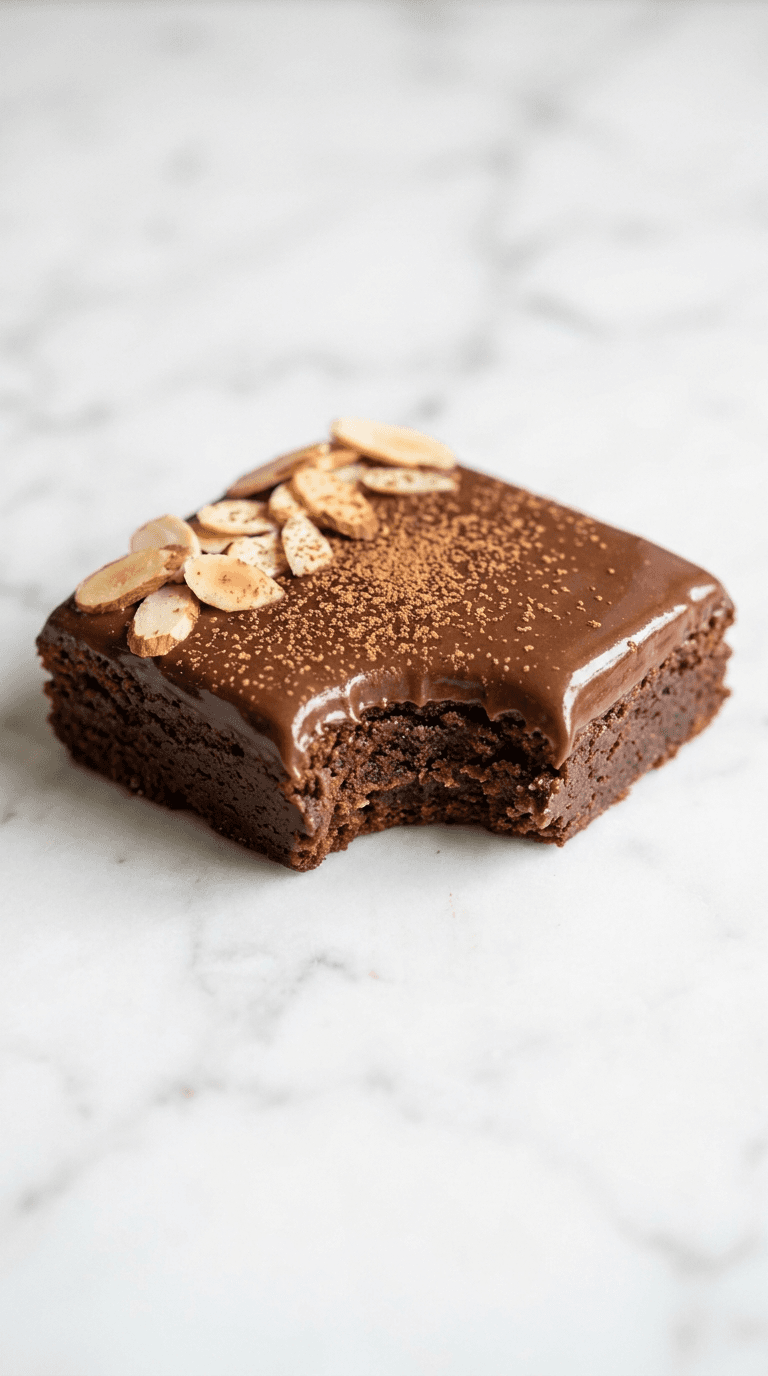
Desserts Baking
Almond Flour Brownies
Discover almond flour brownies that are fudgy, gluten-free, and easy to make with simple pantry ingredients.
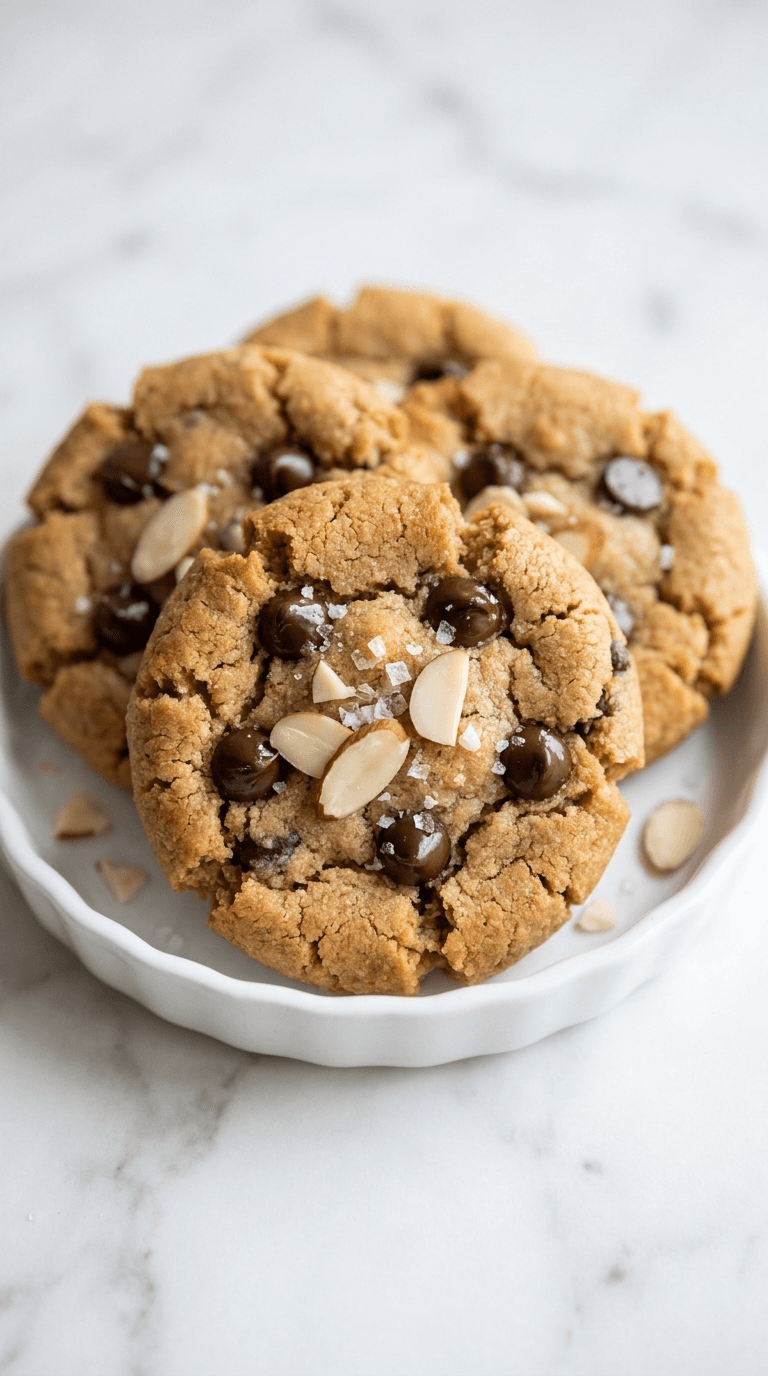
Desserts Baking
Almond Flour Chocolate Chip Cookies
Discover almond flour chocolate chip cookies that are gluten-free, soft, and indulgent with fewer carbs.
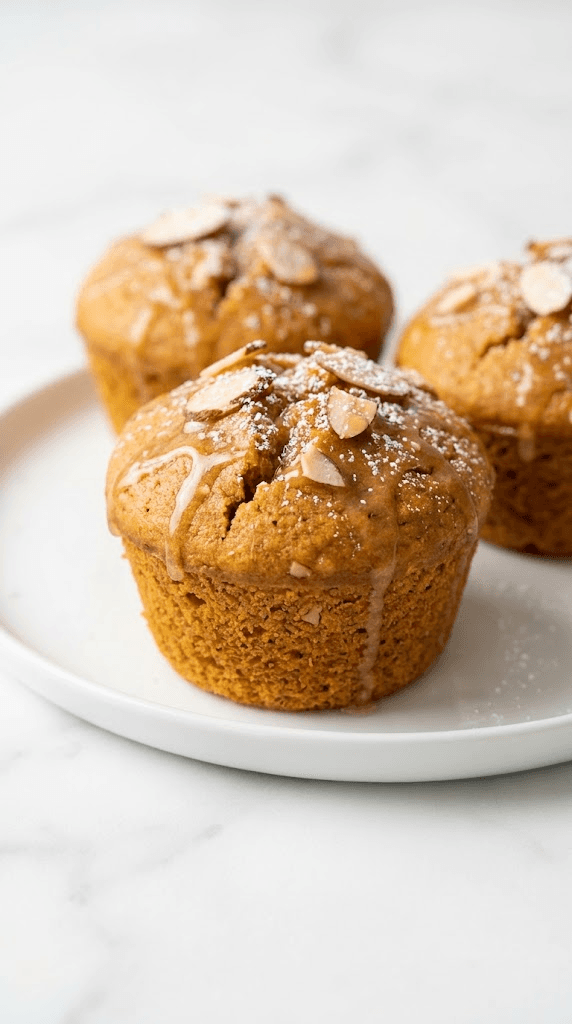
Desserts Baking
Almond Flour Pumpkin Muffins
Discover almond flour pumpkin muffins: moist, gluten-free treats with cozy pumpkin spice and simple ingredients.
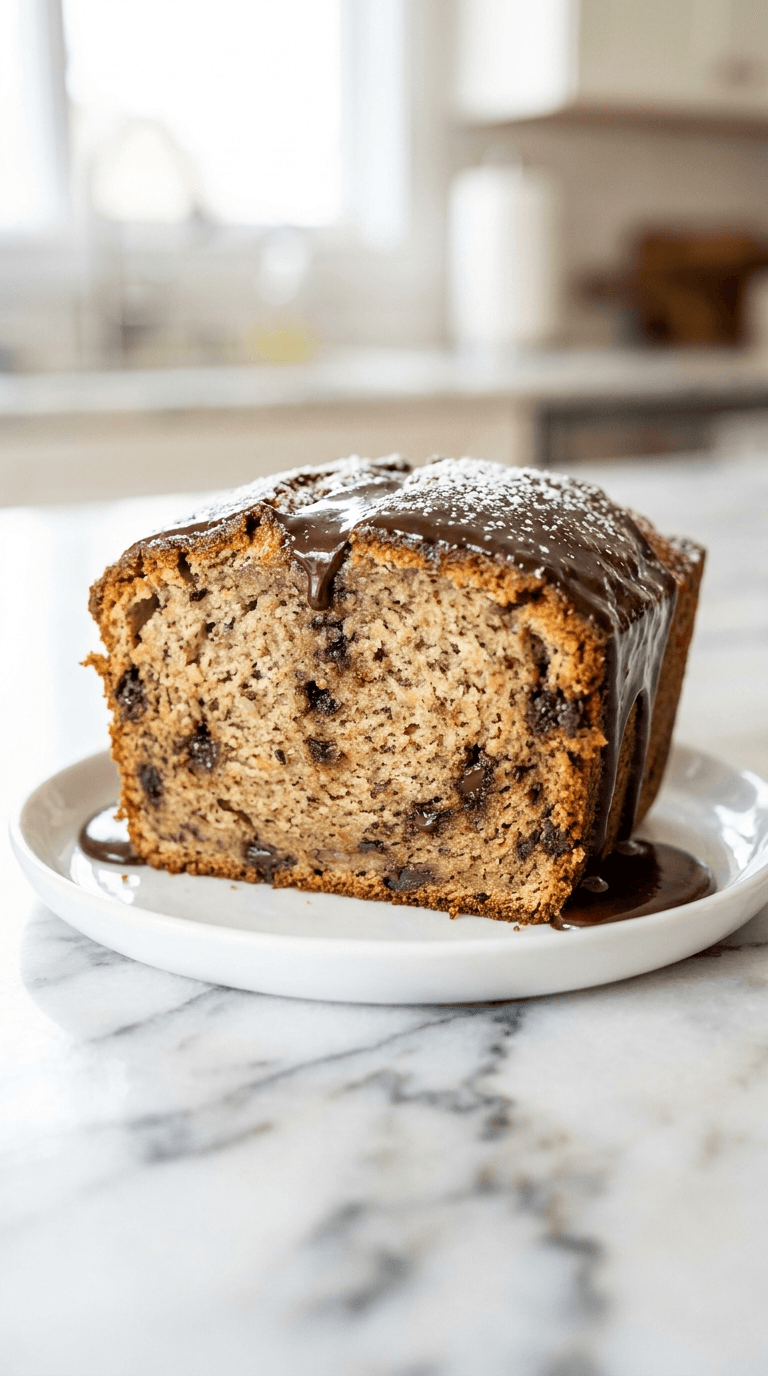
Desserts Baking
Chocolate Chip Banana Bread
Discover a moist chocolate chip banana bread recipe that's perfect for quick breakfasts and cozy snacks.