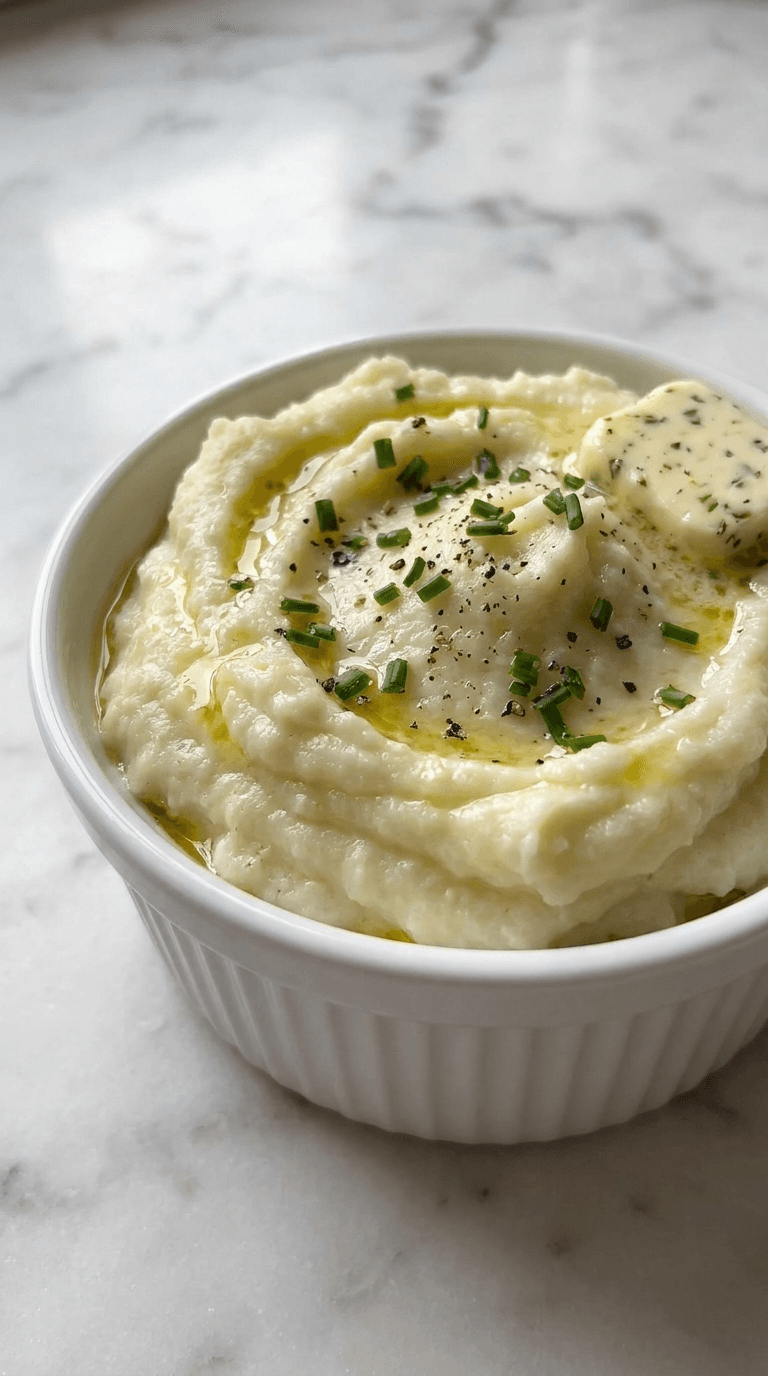
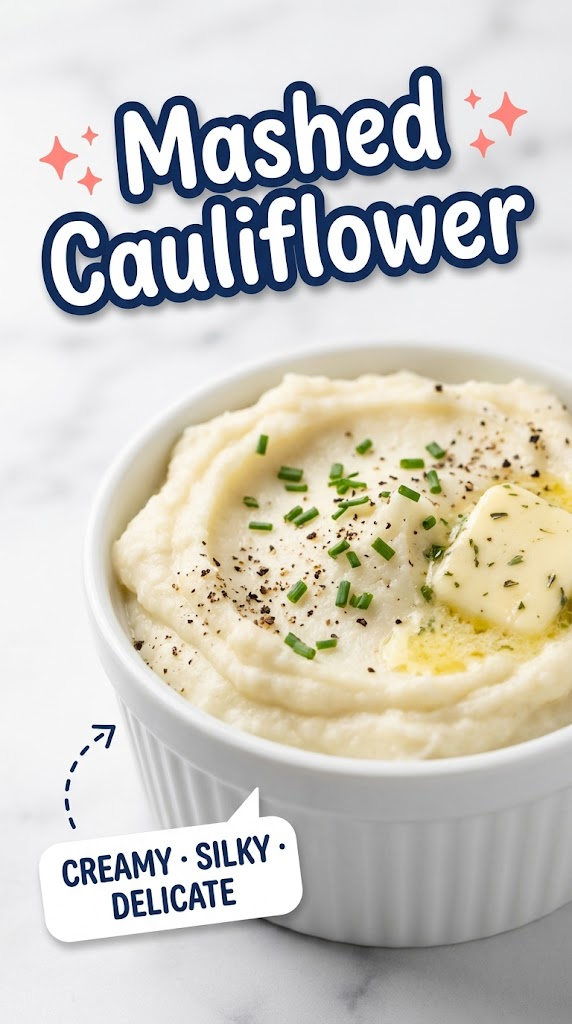
Mashed Cauliflower
Jump to recipeDiscover mashed cauliflower as a light, creamy side that is low-carb and tasty - easy to make.
Mashed cauliflower is comfort food with a lighter touch, the kind of cozy side that makes a roast chicken feel like a hug. It is my favorite healthy mashed potato substitute when I want all the creamy goodness without the heaviness. And yes, it is an easy cauliflower side that actually tastes rich. The first time I made it right, the steam smelled faintly nutty and sweet, and I knew I was on to something.
The recipe
Mashed Cauliflower
- Prep
- 10 min
- Cook
- 15 min
- Total
- 25 min
- Servings
- 4 servings
Nutrition Facts
Original author values. Recipe yield: 4 servings.
- calories
- 140
2× the original author values. Recipe yield: 4 servings.
- calories
- 280
3× the original author values. Recipe yield: 4 servings.
- calories
- 420
Ingredients
- 1 large head cauliflower — cut into even florets (about 2 to 2.5 lb)
- 2 cloves garlic — peeled; use up to 3 for more garlic flavor
- 2 tablespoons unsalted butter — or olive oil; plus more to finish
- 1/4 cup Greek yogurt — or sour cream; warmed
- 2-4 tablespoons milk — or low-sodium stock; warmed, add as needed
- 1/4 cup Parmesan cheese — finely grated; optional
- 1 teaspoon kosher salt — plus more to taste
- 1/4 teaspoon black pepper — freshly ground, to taste
- 2 tablespoons fresh chives — or parsley, finely chopped, for garnish
- 1 tablespoon olive oil — for finishing or browned butter for drizzle
- 1/8 teaspoon nutmeg — freshly grated; optional
- 1 tablespoon cream cheese — optional, for extra richness
- 1 teaspoon lemon juice — to brighten, optional
Instructions
- Break the cauliflower into even, bite-size florets; keep tender inner core pieces. Rinse and shake dry.
- Bring a large pot of salted water to a lively simmer and add the cauliflower and garlic cloves. Cook 10 to 12 minutes until very tender.
- Drain thoroughly, letting excess water run off so the mash won’t be watery.
- Return cauliflower to the warm pot over low heat for 2 to 3 minutes, stirring, to steam off moisture until the florets look matte.
- For ultra-smooth, transfer to a processor or blender; for rustic, use a potato masher or immersion blender in the pot.
- Blend or mash with butter or olive oil, Greek yogurt or sour cream, and a small splash of warm milk or stock.
- Add more warm milk or stock 1 tablespoon at a time until creamy with gentle peaks—do not overdo the liquid.
- Stir in kosher salt and black pepper. If using Parmesan, add while hot to melt in. Taste and adjust seasoning.
- Transfer to a serving bowl, drizzle with a little butter or olive oil, sprinkle herbs, and add a squeeze of lemon if desired.
- For a toasty note, roast florets at 425°F with a little oil and salt until golden at edges (20 to 25 minutes), then blend with the same add-ins.
Notes
Storage: Cool completely, then refrigerate in an airtight container up to 4 days or freeze up to 2 months. Reheat gently on the stove over low heat with a splash of warm milk or stock, stirring until creamy; microwave in 60–90 second bursts, stirring between. Refresh with a little butter or olive oil and a sprinkle of fresh herbs before serving.
Why You Will Love This Recipe
This low carb mashed cauliflower gives you the same cloudlike spoonfuls you expect from potatoes, but it leaves you feeling bright after dinner instead of sleepy. It is weeknight simple, uses affordable pantry staples, and plays nicely with almost any main. The texture is silky, not watery, and it takes on flavors beautifully, from garlic to Parmesan to tangy Greek yogurt. You can dress it up for a holiday table or keep it humble for a Tuesday night meatloaf.
Also, it is fast. Cauliflower cooks quickly, and the whole thing comes together in one pot and a blender or potato masher. Want something creamy without standing over a pot forever? This is it.
Ingredient Notes
Here is what you will need and why it matters:
- Cauliflower: Fresh florets give the best flavor and texture. One large head, about 2 to 2.5 pounds, or two smaller heads. Frozen works too, but drain well to avoid excess moisture.
- Garlic: One to three cloves, simmered with the cauliflower to mellow its bite and perfume the mash. It should smell softly sweet, not sharp.
- Butter or olive oil: Butter brings classic mashed potato vibes. Olive oil keeps it dairy-light and adds a fruity note. Use both if you like.
- Greek yogurt or sour cream: A scoop adds tang and body, making the mash feel richer without extra fat. Full fat or 2 percent both work.
- Milk or stock: Just a splash to loosen. Warm it first so the mash stays hot and blends smoothly.
- Parmesan: Optional but wonderful. Salty, nutty, melt-in goodness that deepens the flavor of this healthy mashed potato substitute.
- Salt and pepper: Season boldly. Cauliflower is mild and appreciates attention.
- Fresh chives or parsley: For color and a clean, herbal finish.
Optional flavor boosters include roasted garlic, a pinch of nutmeg, cream cheese, or a drizzle of browned butter. Want dairy free? Stick to olive oil, a bit of vegetable stock, and nutritional yeast for Parmesan vibes.
How to Make It
Start by breaking down your cauliflower into even, bite-size florets. Trim away the tough core but do not toss the tender inner pieces, they get silky when cooked. Rinse and shake dry. If you are using frozen, there is no need to thaw, just keep in mind it may release more liquid.
Set a large pot of salted water to a lively simmer, not a rolling boil. I drop the garlic cloves in with the florets so they soften together and scent the pot. In about 10 to 12 minutes, the cauliflower should be very tender. A knife should slide in without resistance. Listen to the pot, gentle blips, not sputters, which helps keep the florets intact.
Now, this part matters. Drain thoroughly, then return the hot cauliflower to the warm pot and set it over low heat for 2 to 3 minutes, stirring occasionally. Steam will rise in soft wisps and the florets will look a touch drier and matte instead of glossy. Do not skip that quick dry-out step, I tried and the mash turned thin and a little sad.
From here, choose your texture. For the smoothest low carb mashed cauliflower, use a food processor or high speed blender. Add the cauliflower, garlic, a tablespoon or two of butter or olive oil, a scoop of Greek yogurt, and a small splash of warm milk or stock. Pulse, scrape, pulse again, until it looks creamy with gentle peaks. For a more rustic, potato-like mash, use a potato masher or an immersion blender right in the pot, which gives it soft ridges and a bit more body. Both are lovely.
Season generously. Salt wakes it up. Black pepper adds a little warmth. If you are using Parmesan, sprinkle it in while it is still hot so it melts and disappears into the mash. Taste, then taste again. Does it need a touch more salt? A squeeze of lemon to brighten? Another swirl of butter for gloss?
When it is just right, the color will be a pale ivory with flecks of pepper and herbs, and it will fall softly from a spoon. You should hear a faint, satisfying squelch as the blender works and then a hush when you stop, like mashed potatoes on their best behavior.
One quick memory: the first time I served this to my dad, I topped it with a puddle of browned butter and chives. He kept asking where I bought the potatoes. When I told him it was cauliflower, he blinked, grinned, then scraped the bowl so clean I could see the reflection of the overhead light.
Tips for the Best Results
- Dry it out: After draining, return the cauliflower to the pot over low heat for a couple minutes to cook off extra moisture. This prevents a watery mash.
- Warm your dairy: Warm milk, stock, and even yogurt blend in smoothly and keep the mash hot.
- Control texture: Food processor for silky. Masher for rustic. Immersion blender for in-between.
- Season in layers: Salt the cooking water, then season after blending, then finish with Parmesan or herbs.
- Do not overdo liquid: Add in small splashes. You can always add more, but you cannot take it out.
- Finish with fat: A little butter, olive oil, or a spoon of cream cheese gives restaurant-style richness to this easy cauliflower side.
- Roast option: For deeper flavor, roast the florets at 425°F with a little oil and salt until golden at the edges, then blend. The toasty aroma is unreal.
Storage and Reheating
Let the mashed cauliflower cool, then store in an airtight container in the fridge for up to 4 days. It reheats like a dream.
Reheat gently on the stove over low heat, stirring with a splash of milk or stock until creamy again. The texture will smooth out as it warms. Microwave works too, 60 to 90 seconds at a time, stirring between bursts. For make-ahead meals, you can freeze it for up to 2 months. Thaw overnight in the fridge, reheat slowly, and whisk in a touch of fresh dairy or olive oil to revive the creaminess.
What to Serve It With
This healthy mashed potato substitute pairs with all the usual suspects and then some. Think cozy, saucy, and savory.
- Roast chicken, pork tenderloin, or seared steak with pan drippings.
- Braised short ribs, meatballs in marinara, or garlicky shrimp.
- Crispy salmon with lemon butter or herb-crusted cod.
- Vegetarian mains like mushroom gravy, lentil loaf, or roasted portobellos.
- Simple greens: sautéed spinach, garlicky green beans, or a bright arugula salad to cut the richness.
A little garnish goes a long way. Chives, parsley, cracked black pepper, a drizzle of olive oil, or a dusting of Parmesan set it off beautifully.
Frequently Asked Questions
Can I use frozen cauliflower?
Yes. Cook it straight from frozen until very tender, then drain well and dry it out in the hot pot for a couple minutes before blending. Frozen cauliflower can release more water, so add liquids sparingly.
How do I make it dairy free?
Use olive oil instead of butter and thin with warm vegetable stock. For a cheesy flavor without dairy, add nutritional yeast or a splash of miso, which gives a savory depth.
Why is my mash watery?
Too much liquid or not enough drying time. Make sure to simmer, not boil hard, drain thoroughly, and return the florets to the warm pot to steam off excess moisture. Add milk or stock a tablespoon at a time while blending.
Can I make mashed cauliflower ahead for a holiday meal?
Absolutely. Make it up to two days in advance, refrigerate, then reheat gently on the stove with a splash of milk or stock. Stir in a bit more butter or olive oil just before serving for a fresh, glossy finish.
What seasonings go best with it?
Classic garlic and Parmesan are lovely. You can also use roasted garlic, thyme, rosemary, lemon zest, a pinch of nutmeg, smoked paprika, or even a spoon of horseradish for zip.
Final Thoughts
Mashed cauliflower brings all the comfort without the weight, the kind of side that makes weeknights easier and holidays brighter. It is forgiving, fast, and friendly to whatever flavors you love. And when that first spoonful hits the plate, pale and creamy with a sheen of butter and a whisper of steam, you might wonder, do I even miss potatoes right now? Make it once. You will know.
Ratings and reviews
No ratings yet. If you have cooked this, yours would be the first.
Thank you. Your rating has been counted.
You have already rated this recipe, so this one was not counted.
Please choose between one and five stars.
Reviews are limited to 600 characters. Nothing was saved.
Names are limited to 40 characters. Nothing was saved.
That is a lot of ratings in one hour. Please try again later.
Read next
Salads Sides
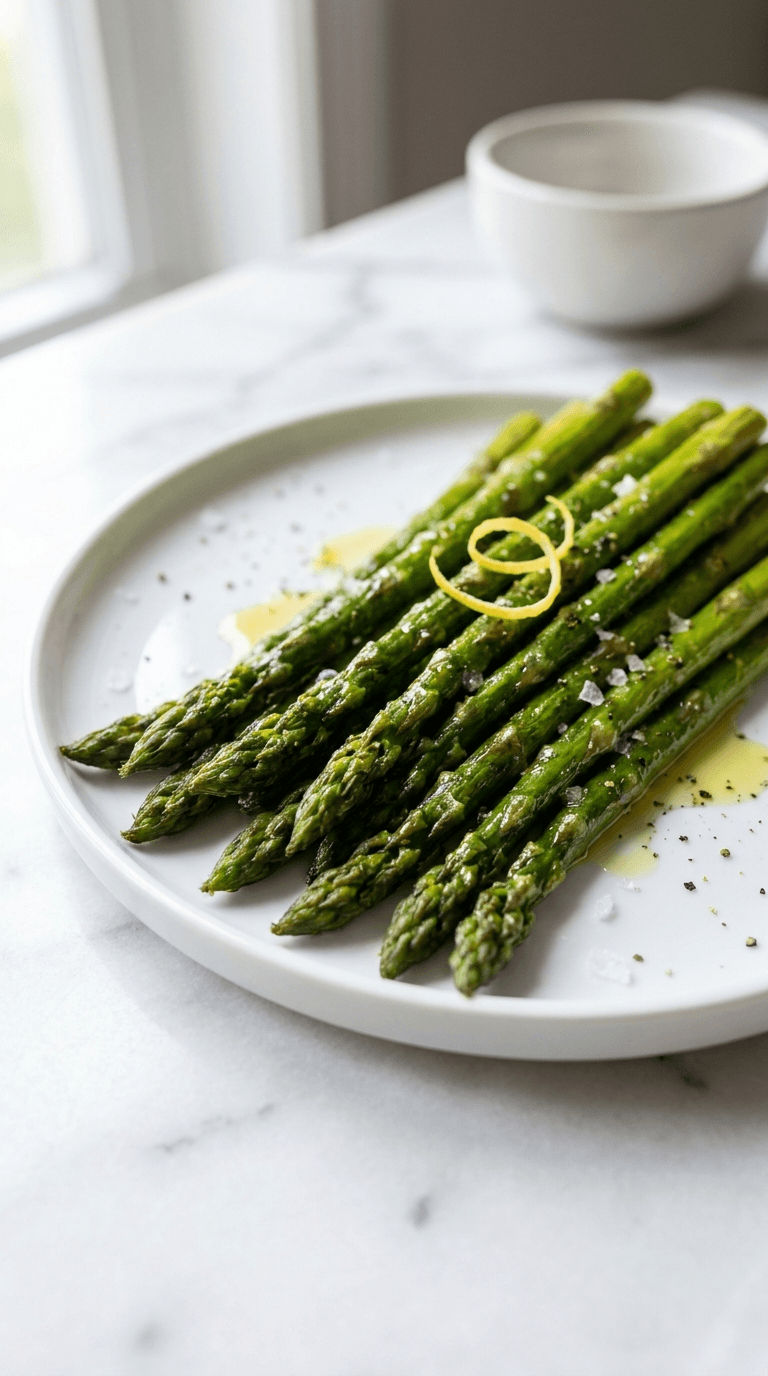
Best Low Carb Air Fryer Asparagus
Discover the best low carb air fryer asparagus, crisp, tasty, and quick for easy keto meals.
Salads Sides
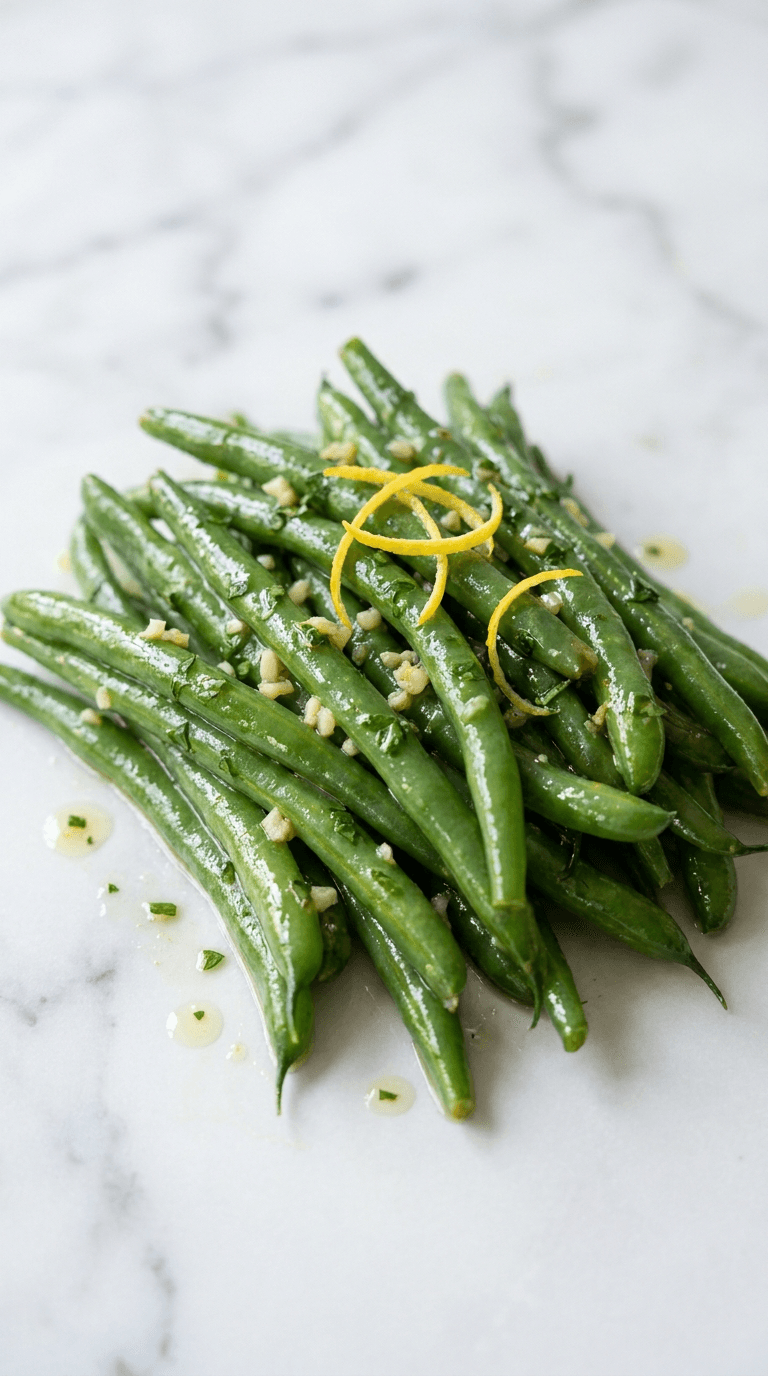
Low-Carb Lemon Garlic Green Beans
Discover low carb lemon garlic green beans—tender, bright, and easy to prepare for a quick weeknight side.
Salads Sides
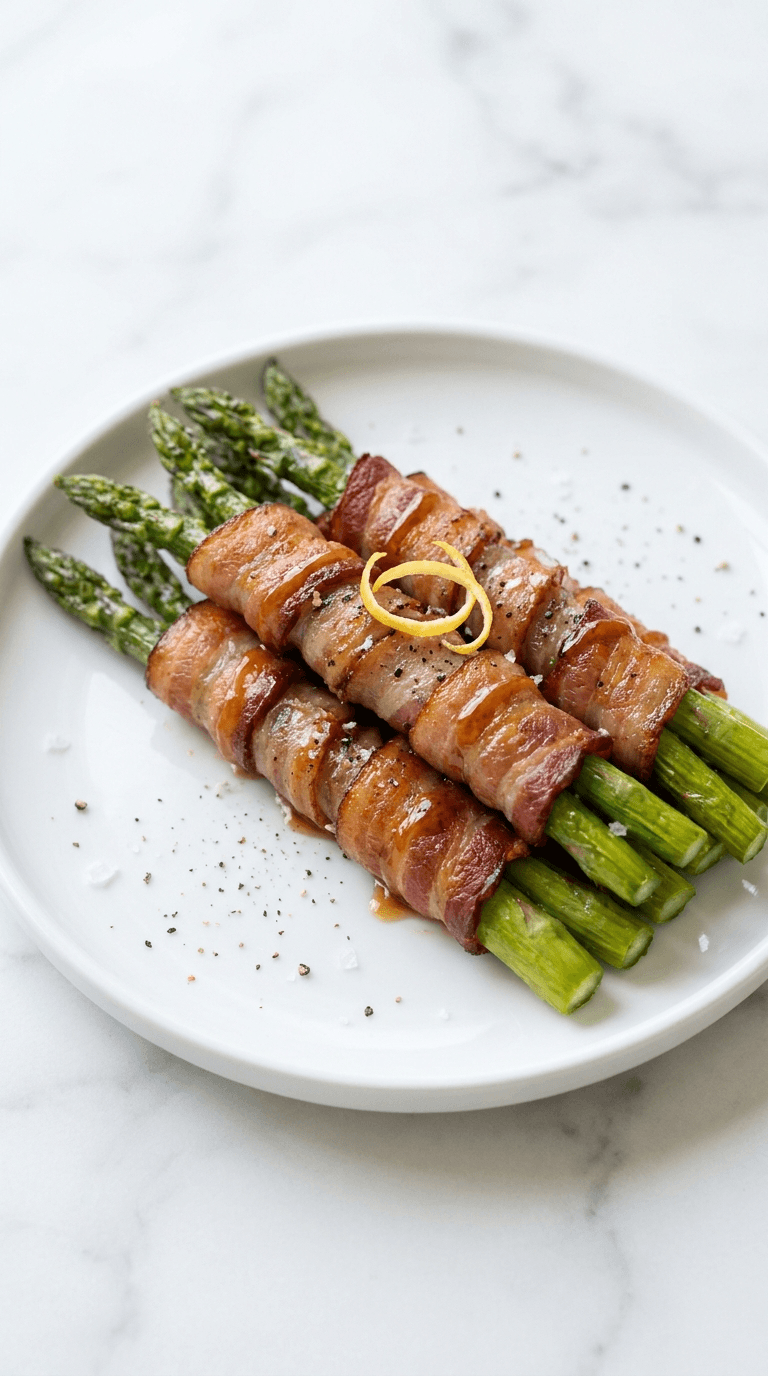
No Carb Bacon Wrapped Asparagus
Discover no carb bacon wrapped asparagus, crisp keto-friendly bites that are easy to make and full of flavor.

Salads Sides
No Carb Bacon Wrapped Asparagus Bites
Discover no carb bacon wrapped asparagus, crisp, savory bites that cut carbs.

Salads Sides
30 Minute Low Carb Antipasto Salad
Discover a tasty 30 minute low carb antipasto salad for quick, healthy weeknights.

Salads Sides
Best Low Carb Caprese Chicken Salad
Discover the best low carb caprese chicken salad—light, tasty, and easy to make for a healthy weeknight.