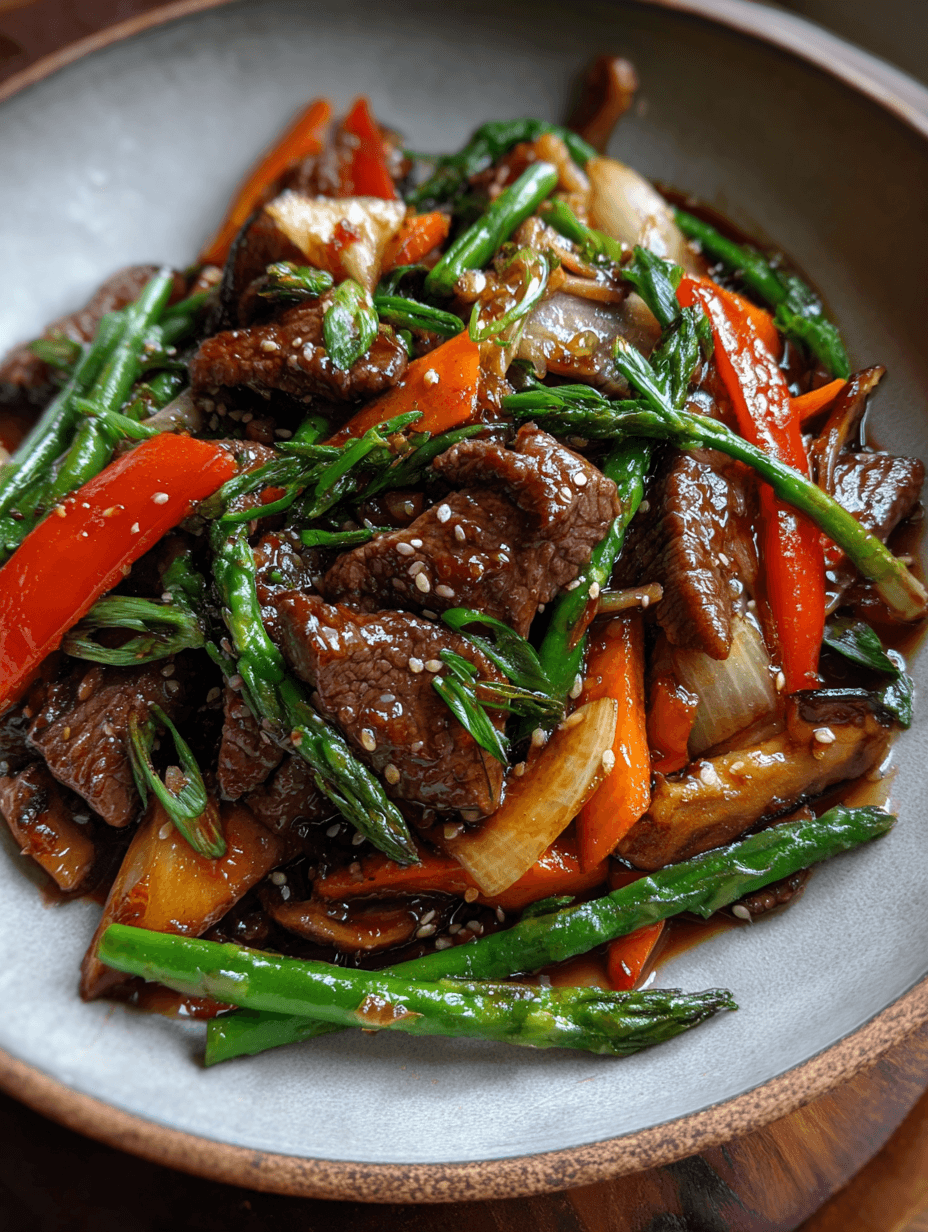
Beef Stir Fry with Vegetables
If you’re craving something fast, colorful, and packed with flavor, this Beef Stir Fry with Vegetables is your new weeknight hero—tender strips of beef, crisp veggies, and a glossy, garlicky sauce all in one skillet.
What Makes This Beef Stir Fry with Vegetables So Special?
This Beef Stir Fry with Vegetables is my go‑to answer when the clock says “dinner now” and my brain says “ugh, not another takeout order.” It’s a simple beef stir fry that tastes like your favorite Chinese beef stir fry from a restaurant, but you control the ingredients, the salt, the oil, and the spice.
We’re talking thinly sliced beef, a rainbow of vegetables—broccoli, bell peppers, carrots, snap peas if you’ve got them—tossed in a quick, homemade beef stir fry sauce with soy sauce, ginger, and garlic. It’s a healthy beef stir fry that doesn’t feel “diet-y” at all. It just feels like real, satisfying food.
I started making this when my kids were in middle school and always rushing from homework to practice to “Mom, I’m starving!” It became my trusty weeknight beef stir fry: one pan, quick cook, and very few complaints at the table. Over the years I’ve tweaked it to be more tender, more saucy, a bit lighter, and easier to prep ahead for meal prep lunches.
These days, I love serving this beef and vegetable stir fry over rice, cauliflower rice for a low carb beef stir fry option, or even quick stir-fried noodles. It’s flexible, forgiving, and honestly kind of fun to cook once you get that sizzle going in the pan.
And the best part? From fridge to table, this easy beef stir fry is usually under 30 minutes.
Why You’ll Love This Beef Stir Fry with Vegetables
- Fast weeknight dinner: This quick beef stir fry is on the table in about 25–30 minutes, including chopping time.
- One pan cleanup: It’s a true one pan beef stir fry—everything cooks in a large skillet or wok.
- Healthier than takeout: You control the oil, sugar, and sodium while still getting that addictive Asian beef stir fry flavor.
- Tender beef, every time: A simple stir fry beef marinade keeps the meat juicy and tender (no chewy strips here).
- Veggie-packed and flexible: Clean out your crisper—broccoli, bell peppers, carrots, mushrooms, snap peas, even green beans all work.
- Family friendly: Mild, savory flavors that kids usually like, with easy ways to add heat for spice-lovers.
- Great for meal prep: This beef stir fry meal prep keeps well in the fridge for several days and reheats nicely.
- Easily customizable: Make it gluten free, low carb, or extra saucy with just a couple tweaks.
- Pairs with anything: Serve over rice, noodles, or keep it low carb with zucchini noodles or cauliflower rice.
Ingredients for Beef Stir Fry with Vegetables
Here’s everything you’ll need for this homemade beef stir fry. I’ll include simple substitution ideas along the way.
For the Beef & Marinade (Tender Beef Stir Fry Base)
1 ¼ pounds (560 g) beef sirloin, flank steak, or flat iron, very thinly sliced against the grain
- Thinner slices cook faster and stay more tender. If slicing is tricky, partially freeze the beef for 20–30 minutes first.
2 tablespoons low-sodium soy sauce
- This is the base for your stir fry beef marinade. Use tamari or coconut aminos for a gluten free version.
1 tablespoon cornstarch
- Helps the beef stay tender and gives that silky restaurant-style coating. Arrowroot works too.
1 tablespoon neutral oil (canola, avocado, grapeseed, or light olive oil)
- This keeps the beef from sticking and helps with browning.
1 teaspoon sesame oil
- Adds that classic “stir fry” aroma. A little goes a long way.
½ teaspoon ground black pepper
For the Vegetables (Stir Fried Beef and Veggies)
You can mix and match here, but this combo gives you color, crunch, and balance:
- 2 cups small broccoli florets
- 1 red bell pepper, thinly sliced into strips
- 1 yellow or orange bell pepper, thinly sliced
- 2 medium carrots, peeled and sliced into thin diagonal coins
- 1 cup sugar snap peas or snow peas, trimmed
- 1 small yellow onion, thinly sliced
- 1 cup sliced mushrooms (button, cremini, or shiitake) – optional but delicious
Aim for about 5–6 cups total vegetables. That’s what makes this a true beef stir fry with vegetables, not just meat with decoration.
For the Beef Stir Fry Sauce
⅓ cup low-sodium soy sauce
⅓ cup beef or chicken broth (or water in a pinch)
2–3 tablespoons honey or brown sugar
- Start with 2 tablespoons if you like it less sweet; go with 3 for that classic takeout-style balance.
2 tablespoons rice vinegar
- Adds brightness; you can swap apple cider vinegar if needed.
1 tablespoon oyster sauce (optional but wonderful for depth)
1 tablespoon hoisin sauce (adds sweetness and umami; skip or reduce if you prefer lower sugar)
3–4 cloves garlic, minced
1 tablespoon fresh ginger, finely grated
- This turns it into a true ginger beef stir fry. Powdered ginger works in a pinch (use 1 teaspoon).
1–2 teaspoons Sriracha or chili garlic sauce (optional for heat)
1 tablespoon cornstarch
- This thickens the beef stir fry sauce so it clings to the meat and veggies instead of pooling at the bottom.
For Serving
Cooked white or brown rice, jasmine rice, or noodles
- For a low carb beef stir fry, use cauliflower rice or sautéed zucchini noodles.
Sliced green onions and sesame seeds, for garnish
Extra soy sauce or chili oil, at the table if folks want more seasoning
A Quick Visual: Beef Stir Fry with Vegetables
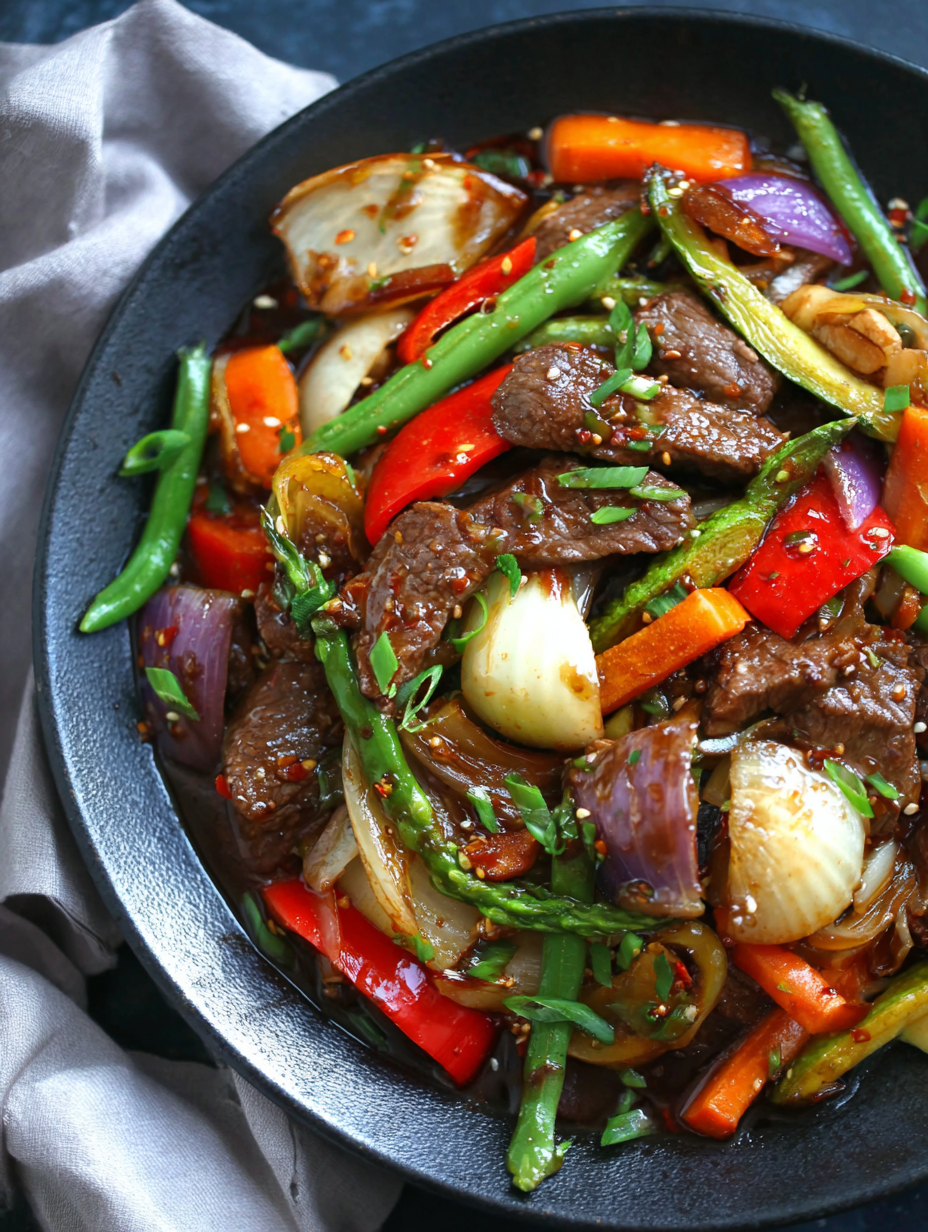
Step-by-Step Directions: How to Make This Easy Beef Stir Fry
Let’s walk through this like we’re cooking together in my kitchen. You’ll see that making a simple beef stir fry is more about timing and heat than fancy skills.
Prep the Beef (Your Tenderness Insurance Policy)
Place the thinly sliced beef in a medium mixing bowl. Add 2 tablespoons soy sauce, 1 tablespoon cornstarch, 1 tablespoon neutral oil, 1 teaspoon sesame oil, and ½ teaspoon black pepper. Toss well to coat every piece.
Let the beef rest while you prep the vegetables—at least 10–15 minutes. This quick marinade is key for a tender beef stir fry, so don’t skip it.Chop the Vegetables (Think Bite-Sized, Not Perfect)
Wash and chop all your vegetables: broccoli into small florets, bell peppers into strips, carrots into thin slices, onion into slivers, mushrooms into slices, and trim your peas.
Try to keep everything roughly similar in thickness so they cook evenly, but don’t stress—this recipe is forgiving.Make the Beef Stir Fry Sauce
In a measuring cup or small bowl, whisk together ⅓ cup soy sauce, ⅓ cup broth, honey or brown sugar, rice vinegar, oyster sauce, hoisin sauce, minced garlic, grated ginger, Sriracha (if using), and 1 tablespoon cornstarch.
Whisk until completely smooth. Set this sauce near the stove—you’ll need it quickly once the beef and vegetables are in the pan.Preheat Your Pan (Hot Pan = Good Stir Fry)
Heat a large wok or a wide, heavy skillet over medium-high to high heat. Give it a solid 2–3 minutes to get hot.
Add 1–2 tablespoons neutral oil and swirl to coat the bottom. A hot pan helps with quick browning and prevents soggy vegetables.Stir Fry the Beef in Batches
Add about half of the marinated beef in a single layer. Don’t crowd the pan. Let it sear without moving it for about 1 minute, then stir and cook another 1–2 minutes, just until the beef is mostly browned but not fully cooked through.
Transfer to a clean plate. Repeat with the remaining beef. This step keeps your beef from steaming and helps that tasty caramelization.Cook the Harder Vegetables First
In the same pan, if it looks dry, add another teaspoon or two of oil. Add broccoli, carrots, and onion. Stir fry for 2–3 minutes, until they just start to soften but are still bright and crisp-tender.
If your broccoli is very firm, you can splash in a tablespoon or two of water and cover the pan for 1 minute to steam it a bit.Add Softer Vegetables
Add the bell peppers, sugar snap peas (or snow peas), and mushrooms. Stir fry another 2–3 minutes.
You want crisp vegetables, not mushy ones. Taste a carrot or broccoli piece—if it still has a little bite, you’re doing it right.Return the Beef and Pour in the Sauce
Add the partially cooked beef (and any juices on the plate) back into the pan with the vegetables. Give your sauce a quick stir (cornstarch can settle on the bottom) and pour it over everything.
Toss gently but quickly so the beef and veggies are coated evenly in the beef stir fry sauce.Simmer Until Thickened and Glossy
Let the skillet beef stir fry bubble for 2–3 minutes, stirring now and then, until the sauce thickens and becomes glossy. The beef should be cooked through but still tender, and the vegetables should be crisp-tender.
If the sauce gets too thick, stir in a tablespoon or two of water. If it’s too thin for your liking, simmer one more minute.Taste and Adjust
Turn off the heat and taste a piece of beef and a veggie. Add a splash more soy sauce if you want more salt, a drizzle of honey if you’d like it sweeter, or extra Sriracha for heat.
Sprinkle with sliced green onions and sesame seeds.Serve Hot
Spoon your beef stir fry with vegetables over warm rice or noodles. Or, for a low carb option, serve over cauliflower rice or sautéed shredded cabbage.
Serve right away while everything is still bright and crisp.
Servings & Timing
- Yield: About 4 generous servings (or 5–6 smaller meal prep portions)
- Prep Time: 15–20 minutes (chopping, marinating, and sauce)
- Cook Time: 10–12 minutes
- Total Time: 25–30 minutes
This is exactly why I call it my “Tuesday night beef stir fry dinner” recipe—fast enough for a busy weeknight, but feels like a little treat.
Easy Variations to Try
You know what? Once you’ve made this once or twice, you’ll start playing with it. Here are some ideas to get you started:
- Beef Stir Fry with Broccoli Only: Skip the mixed vegetables and use 4–5 cups of just broccoli for a classic beef stir fry with broccoli.
- Garlic Beef Stir Fry: Double the garlic and skip the ginger for a mellow, garlicky flavor profile.
- Low Carb Beef Stir Fry: Use extra vegetables (especially low-carb ones like broccoli, zucchini, and mushrooms) and serve over cauliflower rice or zucchini noodles instead of rice.
- Beef Stir Fry with Noodles: Toss cooked rice noodles or lo mein noodles into the pan during the last 2 minutes to coat them in the sauce.
- Spicy Asian Beef Stir Fry: Add extra Sriracha or a teaspoon of chili oil to the sauce and sprinkle with red pepper flakes.
- Gluten Free Beef Stir Fry: Use gluten free tamari instead of soy sauce, and check that your hoisin and oyster sauce are gluten free (or skip them).
Storage & Reheating Tips
One of the reasons I love this simple beef stir fry is that it works beautifully for leftovers and meal prep.
Fridge Storage:
Let the beef stir fry with vegetables cool to room temperature, then store in airtight containers in the fridge for 3–4 days. I like to pack it into single portions with rice for grab-and-go lunches.Freezer Storage:
You can freeze this, but know that the vegetables will soften more when thawed. Store in freezer-safe containers for up to 2 months. Press out extra air to help prevent freezer burn.Reheating:
- Stovetop: Reheat gently in a nonstick skillet over medium heat with a splash of water or broth, stirring until just heated through.
- Microwave: Cover loosely and heat in 45–60 second bursts, stirring between each, until warmed.
Try not to overheat, or the beef can become a little firm and the veggies can lose their crispness.
Make-Ahead Tips:
- Slice the beef and prep the marinade in the morning and store in the fridge.
- Chop all vegetables ahead of time and keep them in a sealed container (they’ll hold well for a day or two).
- Stir together the sauce and keep it covered in the fridge; whisk again before using.
When dinnertime rolls around, you basically have a ready-to-cook stir fried beef and veggies kit.
Notes From My Kitchen to Yours
Cutting the Beef Against the Grain Matters:
Look for the lines (muscle fibers) in the meat and slice across them, not along them. This little detail is the difference between tender beef stir fry and something that feels like you’re chewing on rubber bands.High Heat, Short Time:
The secret to a good Chinese beef stir fry at home is a hot pan and quick cooking. If your stove doesn’t get very hot, just don’t crowd the pan. Cook the beef in batches like we did.Don’t Skip the Cornstarch:
In both the marinade and the sauce, cornstarch is doing quiet, behind-the-scenes work. It helps protect the beef from overcooking and gives the sauce that nice, clingy texture.Balance Sweet, Salty, and Tangy:
Everyone likes their Asian beef stir fry a bit different. If it tastes flat, add a splash more vinegar or a squeeze of lime. If it’s too salty, add a pinch of sugar or a tiny splash of water.Use What You Have:
I’ve made this with green beans, cabbage, zucchini, even leftover roasted veggies. Don’t feel locked into the exact combination—this recipe is more of a framework than a rule book.Cook Once, Eat Twice:
If your family likes this (and mine sure does), double the recipe in a big wok. Use the leftovers for “new” meals: stuffed into lettuce wraps, tucked into tortillas for fusion tacos, or piled on top of fried rice.
FAQs About Beef Stir Fry with Vegetables
1. What’s the best cut of beef for beef stir fry?
Flank steak, sirloin, flat iron, or skirt steak all work great. Just slice them very thin against the grain for a tender beef stir fry.
2. How do I keep the beef from getting tough or chewy?
Slice it thin, marinate it briefly with soy sauce and cornstarch, and cook it over high heat for a short time. Don’t overcook—slightly undercooked when you add the sauce is perfect.
3. Can I make this beef stir fry with vegetables ahead of time?
Yes. Prep the vegetables, the beef marinade, and the sauce earlier in the day or the night before. Store them separately in the fridge, then cook everything fresh when you’re ready to eat.
4. What vegetables work best in beef stir fry?
Broccoli, bell peppers, carrots, onions, peas, mushrooms, and baby corn are all classic. Aim for a mix of colors and textures so your beef and vegetable stir fry feels hearty and interesting.
5. How can I make this recipe gluten free?
Use gluten free tamari instead of soy sauce, and make sure your hoisin and oyster sauces are certified gluten free—or leave them out and add a little extra tamari and a pinch of sugar.
6. Can I use frozen vegetables?
You can, but thaw them and pat them dry first. They’ll release more water and cook faster, so stir fry them briefly and cook off any extra moisture before adding the sauce.
7. Is this beef stir fry healthy?
It’s a balanced meal with lean protein, lots of vegetables, and a moderate amount of sauce. You can make it lighter by using less oil, cutting back on the sugar, and serving over brown rice or cauliflower rice.
8. Can I swap the beef for another protein?
Absolutely. Thinly sliced chicken, pork, tofu, or shrimp work well. Adjust the cook time so you don’t overcook the protein; shrimp, for example, cooks much faster than beef.
Wrapping It Up (and Passing You the Wok)
This Beef Stir Fry with Vegetables is everything I love in a weeknight meal: fast, flexible, and just comforting enough to make everyone sit down and breathe for a minute. It’s an easy beef stir fry that feels special enough for a Friday night, but realistic enough for a busy Monday.
If you make this beef stir fry recipe, I’d love to hear how it goes—did your family like it, what vegetables did you use, did you try it with rice or noodles? Leave a comment, share your tweaks, and if you’re hungry for more, you might enjoy exploring other quick skillet dinners and Asian-inspired stir fry recipes on the blog.
Read next
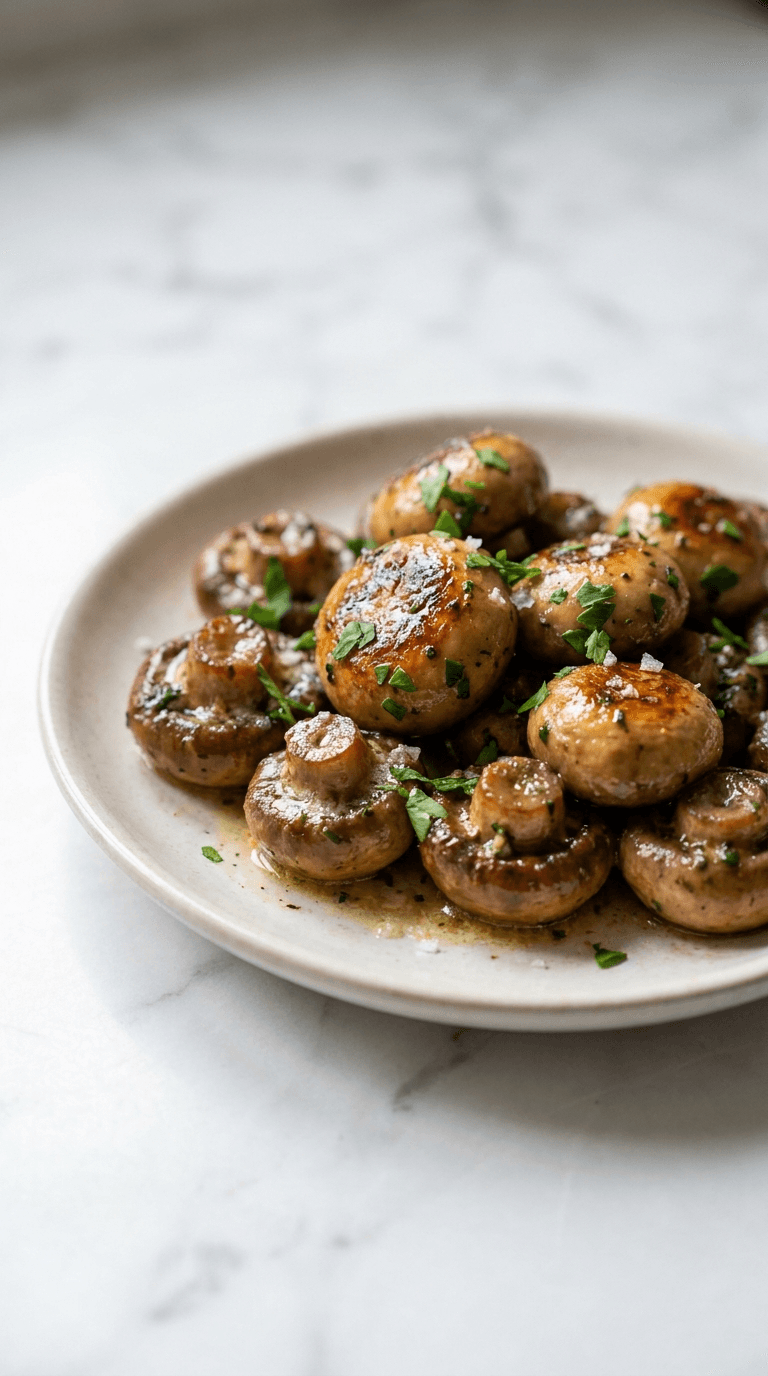
Dinner
Best Low Carb Garlic Butter Mushrooms
Discover best low carb garlic butter mushrooms - tasty, keto-friendly side dish that's easy to make in minutes.
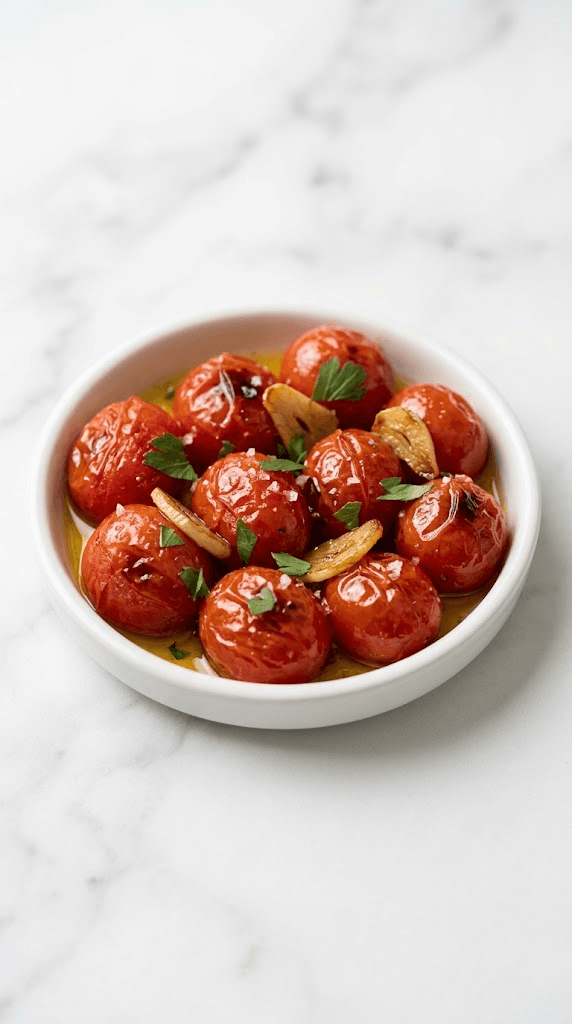
Dinner
Best Low Carb Roasted Tomatoes with Garlic
Discover the best low carb roasted tomatoes with garlic for tender, flavorful sides and quick, healthy meals.
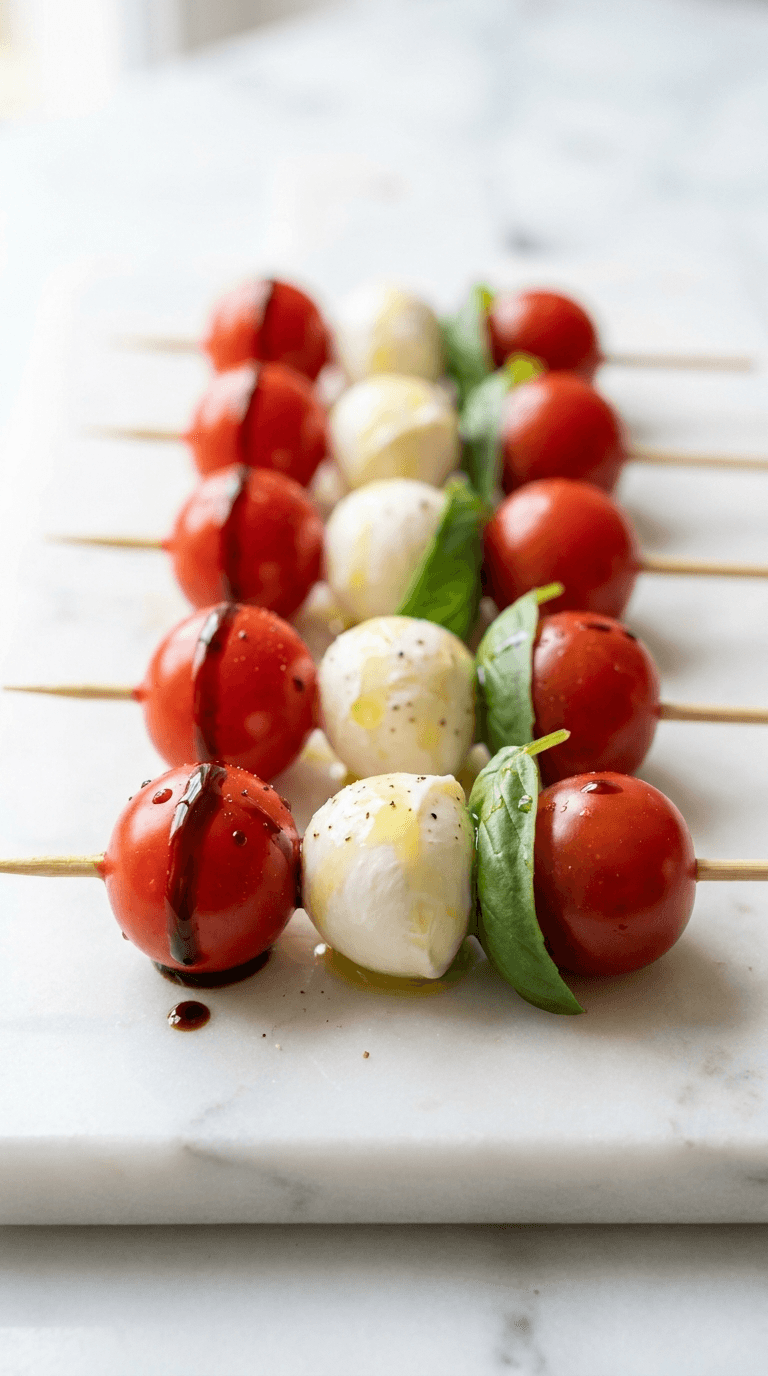
Dinner
Caprese Skewers
caprese skewers: fresh mozzarella, tomatoes, and basil on a stick for easy, elegant bites. Learn more.
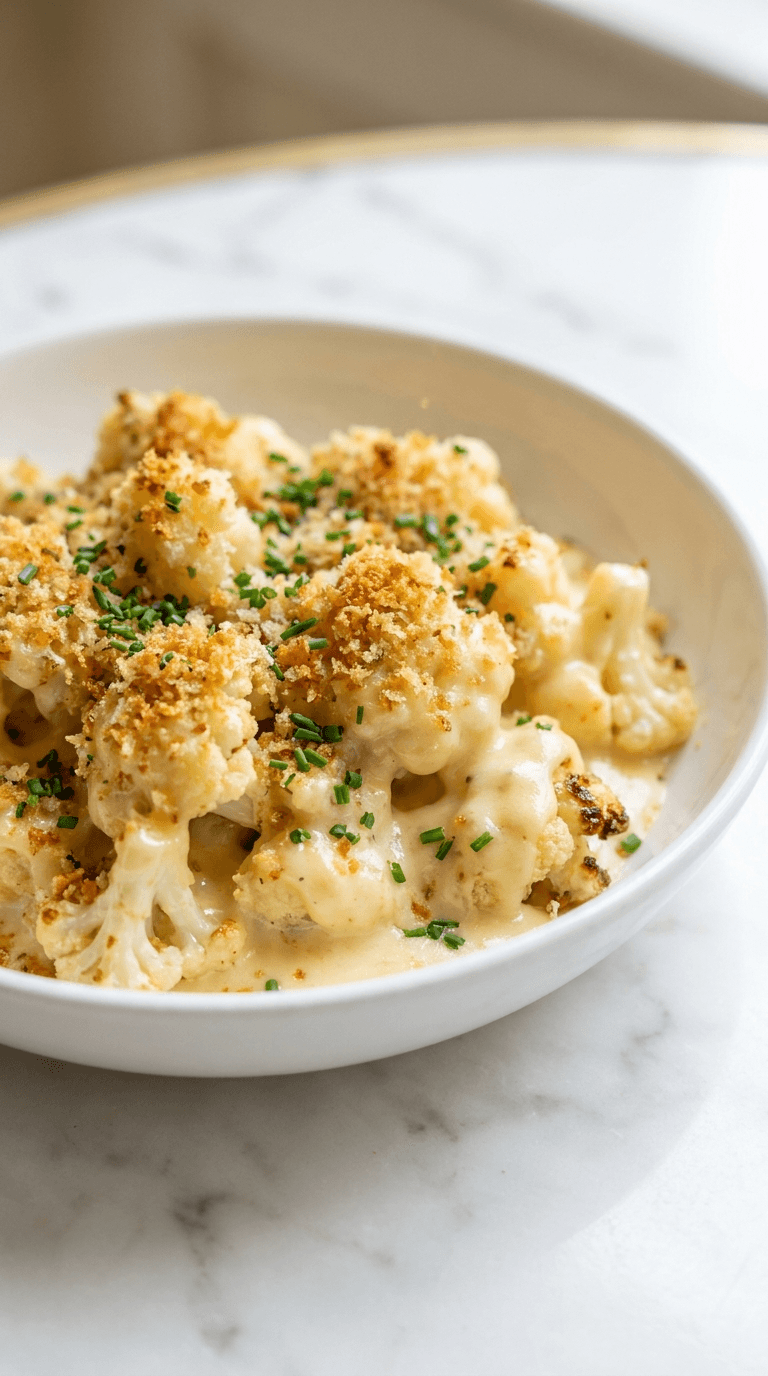
Dinner
Cauliflower Mac and Cheese
Discover a creamy cauliflower mac and cheese that's comforting and lighter, with simple tips for a veggie-packed dinner.
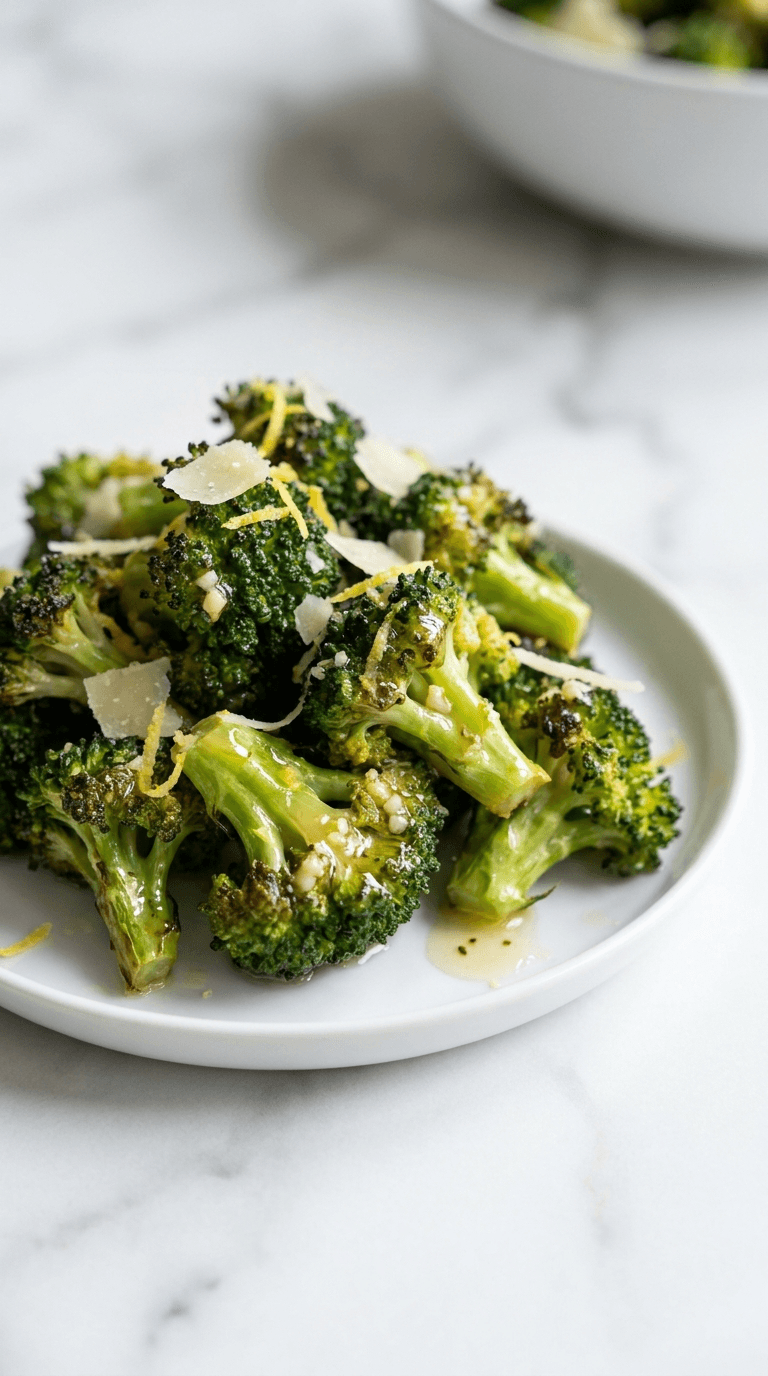
Dinner
Diabetic Air Fryer Frozen Broccoli
Discover diabetic air fryer frozen broccoli that is crisp, convenient, and diabetes-friendly with minimal oil.

Dinner
Diabetic Bacon Wrapped Smokies
Discover diabetic bacon wrapped smokies - delicious, low-carb bites that fit diabetic-friendly menus without sacrificing flavor.