
Classic Gut-Boosting Fermented Cabbage Slaw
If you’re craving something crisp, tangy, and truly good for your belly, this Classic Gut-Boosting Fermented Cabbage Slaw is the crunchy little miracle your fridge has been waiting for.
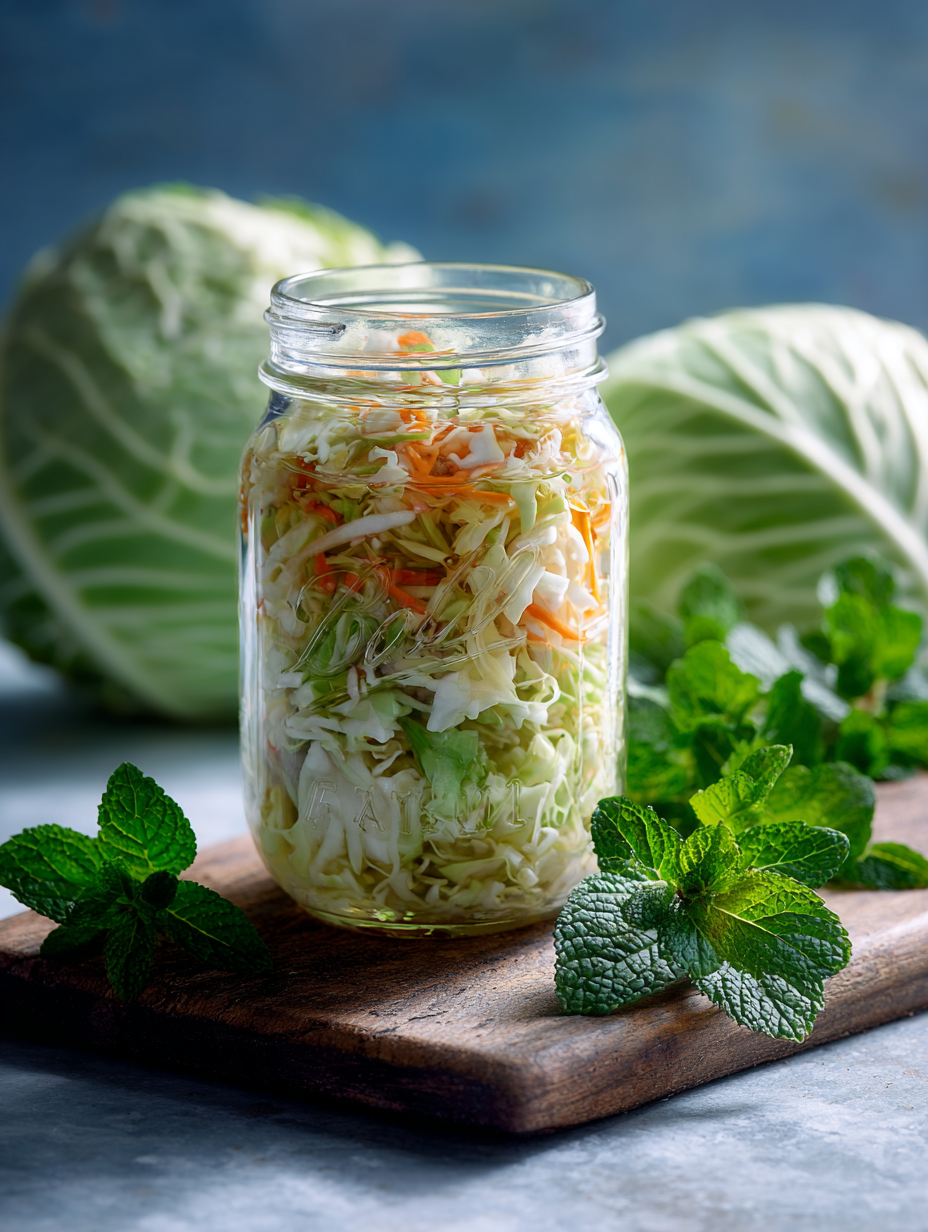
A Cozy Little Intro to Fermented Cabbage Slaw
This Classic Gut-Boosting Fermented Cabbage Slaw is my happy middle ground between old-fashioned sauerkraut and a fresh, colorful coleslaw. It’s a lacto-fermented cabbage slaw recipe loaded with probiotics, bright veggies, and that tangy crunch that makes everything—from tacos to grain bowls—taste a little more exciting.
I started making this classic fermented cabbage slaw back when my kids left for college and my digestion decided it was done being cooperative. I didn’t want another supplement bottle on my counter; I wanted a recipe I’d actually look forward to eating. So I blended my love of classic cabbage fermentation recipes (think sauerkraut) with the color and variety of a good deli-style slaw. The result? A probiotic-rich cabbage slaw that feels like comfort food but actually supports gut health.
This gut-boosting cabbage slaw is salty, tangy, a little garlicky, and lightly spiced. It’s a healthy fermented cabbage slaw that you can tuck into a sandwich, spoon onto eggs, or nibble straight from the jar when you’re standing at the fridge wondering what snack won’t make you feel sluggish.
Why You’ll Love This Classic Gut-Boosting Fermented Cabbage Slaw
- Naturally probiotic-rich – This fermented cabbage slaw recipe is packed with live cultures that can support healthy digestion and a balanced gut microbiome.
- Simple ingredients, big flavor – Just cabbage, carrots, a few aromatics, and salt turn into a classic probiotic slaw with serious tang and crunch.
- No fancy equipment required – You don’t need a fermentation crock; a clean jar and a little patience are enough for this easy fermented cabbage slaw.
- Flexible and forgiving – Mess up the carrot amount? Want more garlic? This fermented vegetable slaw still turns out deliciously.
- Naturally vegan and gluten-free – A gut-friendly cabbage recipe that fits most dietary preferences without any special products.
- Budget-friendly – Cabbage and carrots are some of the most affordable veggies, making this a cost-effective fermented coleslaw recipe.
- Keeps for weeks in the fridge – Once fermented, your tangy fermented cabbage slaw will stay fresh and crunchy, ready for fast weeknight meals.
- Great starter ferment – If you’re new to fermented foods, this sauerkraut-style cabbage slaw is a friendly, low-stress recipe to learn the process.
Ingredients for Classic Gut-Boosting Fermented Cabbage Slaw
Here’s what you’ll need for this homemade fermented cabbage slaw. I’ll add a few tips so you get the best flavor and crunch.
1 medium green cabbage (about 2 to 2 ½ pounds)
– Look for a firm, heavy head with tight leaves. Smaller, denser cabbages usually have more sweetness and crunch.1 small red cabbage (about ½ to 1 pound), optional but recommended
– Adds color and extra antioxidants. You can use all green cabbage if that’s what you have; your probiotic cabbage slaw recipe will still work beautifully.3 medium carrots, peeled and grated (about 1 ½ cups packed)
– Carrots lend sweetness and extra crunch. Any variety works; I like standard orange for that classic look.1 small red onion, thinly sliced (about ½ cup)
– Red onion adds color and a gentle bite. If you’re onion-sensitive, you can use shallots or leave it out.3–4 cloves garlic, finely minced
– Garlic supports both flavor and potential antimicrobial benefits. Fresh is best; skip the jarred garlic if you can.1 tablespoon grated fresh ginger (optional, but lovely)
– Ginger gives this gut health fermented slaw a warm, zippy edge that pairs well with Asian-inspired dishes.1 ½ to 2 tablespoons sea salt or kosher salt
– Use a non-iodized salt (like Redmond Real Salt or Morton coarse kosher). Iodized table salt can sometimes interfere with fermentation.
– For a classic cabbage fermentation recipe, a good rule is about 2% salt by weight of the prepared vegetables. For most home cooks, 1 ½–2 tablespoons for this batch is ideal.1 teaspoon caraway seeds (traditional, optional)
– This makes the slaw taste more sauerkraut-style. Fennel seeds or celery seeds also work if you prefer their flavor.½ teaspoon black peppercorns, lightly crushed (optional)
– Adds warmth and a gentle spicy note; skip if you prefer your tangy fermented cabbage slaw very mild.1–2 teaspoons dried dill or 2 tablespoons fresh dill, chopped (optional)
– For a herby, almost pickle-like vibe in your fermented coleslaw recipe.Filtered water, only if needed
– Often the cabbage will release enough brine on its own. When you do need water, use filtered or dechlorinated water—chlorine can inhibit fermentation.
Directions: How to Make Classic Gut-Boosting Fermented Cabbage Slaw
1. Prep your tools and workspace
Wash your hands well and make sure your knife, cutting board, and jar are very clean. You don’t need to sterilize like you would for canning, but you do want everything fresh and free from old food bits. A wide-mouth quart or half-gallon Mason jar works perfectly.
2. Shred the cabbage
Remove any wilted outer leaves of the cabbage and set one or two clean outer leaves aside for later. Cut the cabbage into quarters, remove the core, and then slice into thin shreds (about ⅛–¼ inch). You can use a sharp knife, mandoline, or food processor with a shredding disc. Place all the shredded cabbage in a large mixing bowl.
3. Add the carrots and aromatics
Grate the carrots and add them to the bowl with the cabbage. Thinly slice the red onion and toss it in. Add the minced garlic, grated ginger (if using), caraway seeds, pepper, and dill. This is where your fermented vegetable slaw starts to look like a pretty coleslaw.
4. Sprinkle with salt and start massaging
Sprinkle 1 ½ tablespoons of the sea salt over the vegetable mixture. Using clean hands, gently massage and squeeze the cabbage mixture for about 5–10 minutes. The texture should gradually soften and release liquid. You’re coaxing out the water to form a natural brine, which is essential for a safe, effective lacto-fermented cabbage slaw.
- If your hands get tired, take a short break. The salt will keep working and drawing out moisture.
5. Check the brine level and adjust salt
After a few minutes of massaging, there should be noticeable liquid at the bottom of the bowl. Taste a little piece of cabbage—it should taste pleasantly salty, similar to a lightly seasoned salad, not harsh or overwhelming. If it tastes very mild, sprinkle in the remaining ½ tablespoon of salt and massage another couple of minutes.
6. Pack the slaw into the jar
Grab your clean jar. Start filling it with small handfuls of the cabbage slaw, pressing firmly with your fist or a wooden spoon between additions. You want to remove air pockets and encourage the brine to rise. Continue packing until the vegetables reach about 2 inches below the rim. Pour any remaining brine from the bowl over the top.
- The goal: the vegetables should be completely submerged under the brine. This keeps your probiotic rich cabbage slaw safe while it ferments.
7. Use a weight and cabbage leaf “lid”
Remember those whole cabbage leaves you saved? Lay one (or part of one) over the surface of the packed slaw like a little blanket. Then add a fermentation weight, a small clean glass jar, or even a zip-top bag filled with brine to press everything below the liquid level.
- If you use a small jar as a weight, just make sure the main jar can still close loosely.
8. Close the jar—but not too tight
Screw on a lid, but leave it a little loose so gases can escape. If you have airlock lids for fermentation, this is a great time to use them. Otherwise, just remember to “burp” the jar daily for the first few days (loosening the lid for a second to release pressure).
9. Let it ferment at room temperature
Place the jar on a plate or small tray (sometimes the brine can bubble over a bit) and keep it at room temperature, ideally around 65–72°F. Keep it out of direct sunlight. Your gut health fermented slaw will begin to bubble slightly within a day or two—this is a good sign of active fermentation.
- For a mild, lightly tangy fermented cabbage slaw, 3–4 days may be enough.
- For a classic sauerkraut-style cabbage slaw with deeper tang, 7–14 days is more common.
10. Taste as you go
Starting on day 3, use a clean fork to push aside the weight and cabbage leaf, then taste a small amount. When the flavor is pleasantly sour, salty, and complex (not just salty), it’s ready for the fridge. Every kitchen has slightly different conditions, so your homemade fermented cabbage slaw is done when you like the taste.
11. Move to cold storage
Once your tangy fermented cabbage slaw is where you like it, remove any weight and the top cabbage leaf. Press the slaw down under the brine again, wipe the rim of the jar, and tighten the lid more firmly this time. Transfer to the refrigerator. The cold will slow fermentation way down, keeping your classic probiotic slaw crisp and bright for weeks.
Servings & Timing
- Yield: About 1 ½ to 2 quarts of fermented cabbage slaw (roughly 20–24 servings of 2–3 tablespoons each)
- Prep Time: 25–30 minutes (mostly chopping and massaging)
- Fermentation Time: 3–14 days at room temperature, depending on your taste and kitchen temperature
- Total Time: About 30 minutes hands-on, plus several days of “hands-off” fermenting
I know that sounds like a long time, but remember—the fermentation happens while you’re off doing life. It’s a very low-maintenance digestive health cabbage slaw once it’s in the jar.
Tasty Variations to Keep Things Interesting
Once you’ve made this Classic Gut-Boosting Fermented Cabbage Slaw a few times, here are some fun twists:
- Spicy Kimchi-Style Slaw – Add 1–2 tablespoons Korean gochugaru, extra garlic, and a splash of fish sauce for a kimchi-inspired fermented cabbage gut health recipe.
- Apple & Fennel Slaw – Add 1 thinly sliced green apple and ½ cup shaved fennel bulb for a sweeter, aromatic healthy fermented cabbage slaw.
- Cumin & Lime Taco Slaw – Stir in 1 teaspoon ground cumin and, after fermentation, finish with fresh lime juice for taco nights.
- Garlic-Dill Pickle Slaw – Increase the garlic, add more dill and a few mustard seeds for a pickle-flavored probiotic cabbage slaw recipe.
- Beet & Carrot Rainbow Slaw – Add ½ cup finely grated raw beet for a gorgeous magenta fermented vegetable slaw full of earthy sweetness.
- Herb Garden Slaw – Fold in chopped fresh parsley, cilantro, or chives after fermenting for a bright, fresh-tasting cabbage slaw for gut health.
Storage & Make-Ahead Tips
One of the best parts about this fermented coleslaw recipe is how well it keeps. It’s a little like having a jar of edible insurance for your gut in the fridge.
Refrigerator Storage:
Store the finished slaw in a tightly sealed jar in the fridge. Keep the vegetables pressed under the brine whenever possible. It will stay good for at least 3–4 weeks, often longer if kept consistently cold and clean.Freezer Storage:
Freezing isn’t ideal for this kind of fermented cabbage slaw—ice crystals can destroy that lovely crunch and some of the live probiotics. I don’t recommend it unless you really have to.Make-Ahead:
This is made for prepping ahead. I suggest starting a batch at the beginning of the month. Use it as a daily spoonful of gut-boosting cabbage slaw alongside meals. It’s an easy way to sneak in more fermented foods without thinking too hard.Serving from the Jar:
Always use a clean fork or spoon. Don’t double-dip; that can introduce other microbes and shorten its life. If the brine level drops, you can add a little bit of lightly salted filtered water (½ teaspoon salt per ½ cup water) just to keep everything submerged.
Notes from My Kitchen to Yours
On salt levels:
I tested this fermented cabbage slaw recipe using both 1 ½ and 2 tablespoons of salt. At 2 tablespoons, it stays super crisp and safe even in a warmer kitchen, but can taste a bit salty to sensitive palates. If your home runs warm, lean toward the higher end; if it’s cooler, you can gently reduce.On “funky” smells:
Fermented foods can smell strong—tangy, sour, sometimes a little yeasty—but should never smell rotten or putrid. That’s a “nope, toss it” moment. With a clean jar and proper brine coverage, you’ll be fine.Texture tips:
The thinner you slice the cabbage, the quicker your classic fermented cabbage slaw will soften and ferment. For extra crunch, slice a bit thicker or shorten the fermentation time.On color changes:
If you use red cabbage, the whole slaw may gradually shift toward a pretty pinkish hue. Totally normal and honestly quite charming. Just avoid any fuzzy mold or slimy texture—that’s not part of the plan.Pairing ideas:
I love this classic gut-boosting fermented cabbage slaw tucked into turkey sandwiches, alongside roasted potatoes, or spooned over a bowl of rice and beans. My husband likes it straight from the jar at 10 p.m., which I’ve decided to consider “self-care.”
FAQs About Classic Gut-Boosting Fermented Cabbage Slaw
1. How do I know if my fermented cabbage slaw is safe to eat?
It should smell pleasantly sour, taste tangy and salty, and look crisp—not slimy. If you see fuzzy mold, smell something rancid, or notice a gray, mushy texture, discard it.
2. My slaw isn’t bubbling—did the fermentation fail?
Not necessarily. Some batches ferment more quietly. If it becomes tangy over several days and doesn’t show signs of spoilage, your classic probiotic slaw is likely just fermenting slowly.
3. Can I reduce the salt for health reasons?
You can reduce the salt a little, but don’t go too low or you risk unwanted bacteria. For a gut friendly cabbage recipe, you need enough salt to keep it safe—roughly 1.5–2% by weight of the vegetables.
4. Do I need a special starter culture or whey?
No. The natural lactic acid bacteria on the cabbage are enough to create a great lacto-fermented cabbage slaw. Just salt, veggies, and time.
5. What if the brine doesn’t cover the vegetables?
First, press down the slaw more firmly. If it’s still not covered, top it off with a small amount of salted filtered water. Vegetables should stay submerged to prevent spoilage.
6. Is this the same as sauerkraut?
It’s similar, but not exactly. This is a sauerkraut-style cabbage slaw with extra veggies and seasonings, so it’s more colorful and slaw-like than traditional kraut.
7. Can kids eat this fermented cabbage slaw?
Yes, usually! If they tolerate fermented foods, this gut boosting cabbage slaw can be a great, small daily addition—start with a teaspoon or two alongside familiar foods.
8. How much should I eat for gut health benefits?
There’s no magic number, but 1–3 tablespoons a day with meals is a reasonable starting point. Your body may need a little time to adjust, so ease in if you’re new to fermented foods.
A Cozy Little Wrap-Up
This Classic Gut-Boosting Fermented Cabbage Slaw brings together everything I love in a recipe: simple ingredients, a bit of kitchen “magic,” and real benefits you can feel over time. It’s crunchy, tangy, endlessly pairable, and quietly supports your digestion every time you add a spoonful to your plate.
If you try this classic fermented cabbage slaw, let me know how it goes—leave a comment, share your twist (especially if you add spice; I love hearing about those), or send the recipe to a friend who’s curious about fermented foods. And when you’re ready for your next project, this slaw pairs beautifully with homemade sourdough, yogurt, and all those other gut-loving staples waiting on your kitchen counter.
Read next
Salads Sides
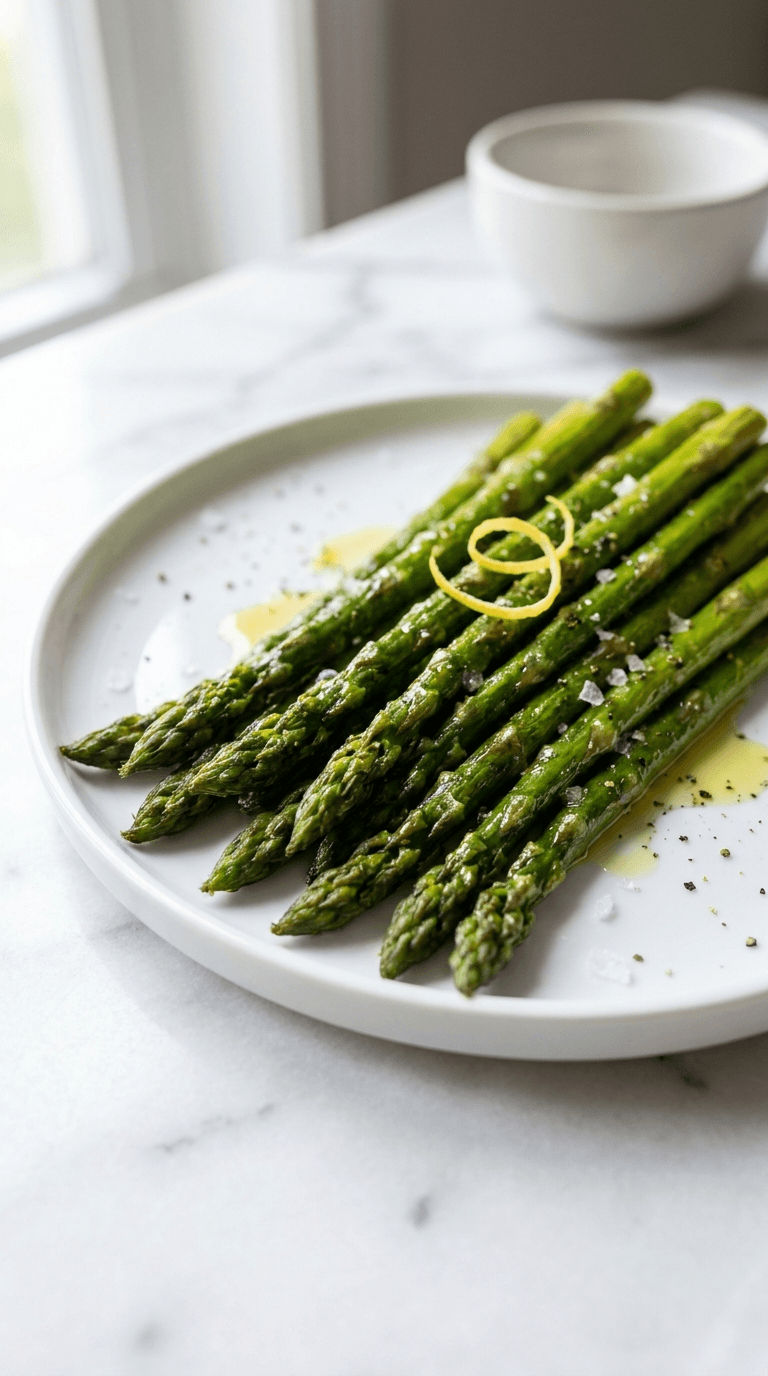
Best Low Carb Air Fryer Asparagus
Discover the best low carb air fryer asparagus, crisp, tasty, and quick for easy keto meals.
Salads Sides
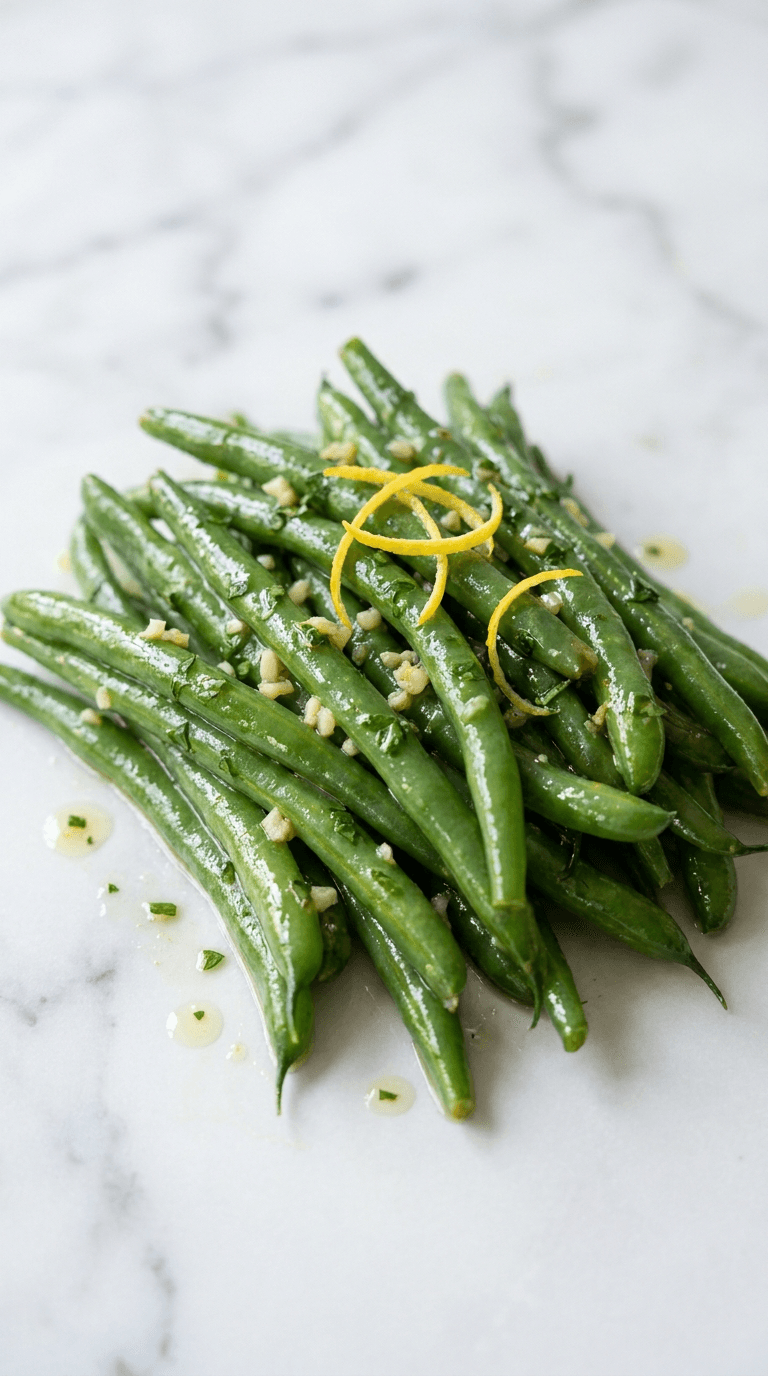
Low-Carb Lemon Garlic Green Beans
Discover low carb lemon garlic green beans—tender, bright, and easy to prepare for a quick weeknight side.
Salads Sides
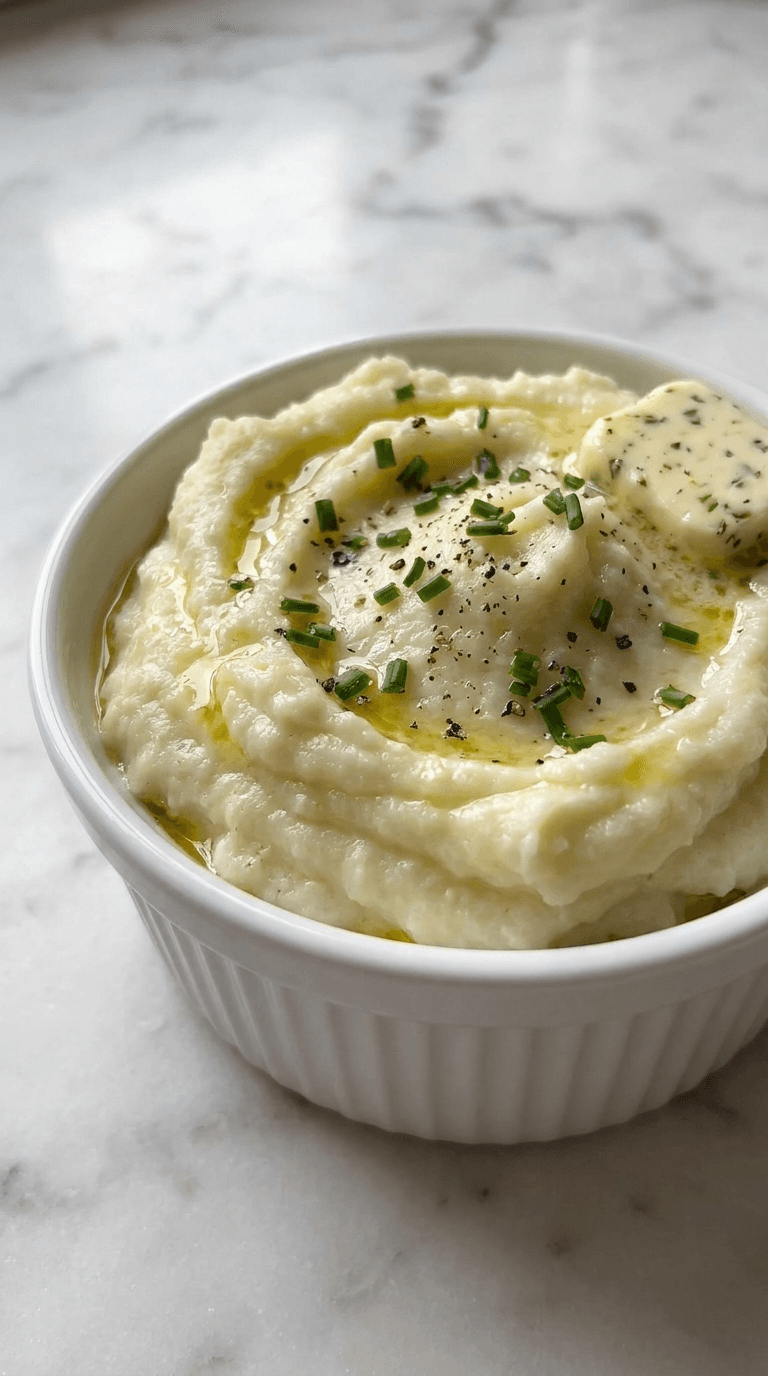
Mashed Cauliflower
Discover mashed cauliflower as a light, creamy side that is low-carb and tasty - easy to make.
Salads Sides
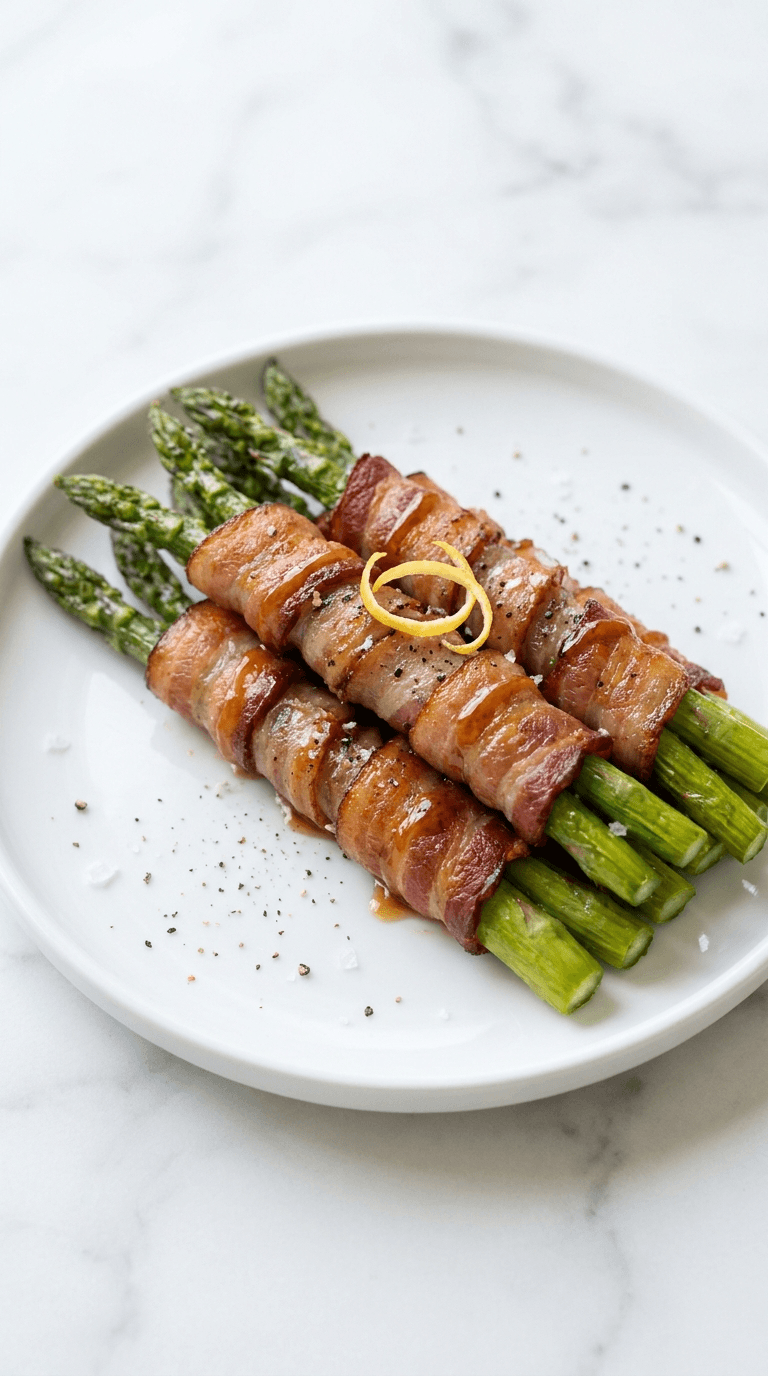
No Carb Bacon Wrapped Asparagus
Discover no carb bacon wrapped asparagus, crisp keto-friendly bites that are easy to make and full of flavor.

Salads Sides
No Carb Bacon Wrapped Asparagus Bites
Discover no carb bacon wrapped asparagus, crisp, savory bites that cut carbs.

Salads Sides
30 Minute Low Carb Antipasto Salad
Discover a tasty 30 minute low carb antipasto salad for quick, healthy weeknights.