
Cottage Cheese: The High-Protein Kitchen Hero You’re Probably Underusing
If you think cottage cheese is just a bland diet food from the 80s, I’m about to change your mind. This easy cottage cheese recipe and guide will show you how to turn humble cottage cheese into creamy breakfasts, savory snacks, and even a quick dessert—healthy, high-protein, and absolutely delicious.
What Is Cottage Cheese, Really? (And Why I Love It Now More Than Ever)
Cottage cheese is a fresh, soft cheese made from curds separated from milk. Unlike aged cheeses, it’s mild, a little tangy, and wonderfully creamy. Traditional cottage cheese is made by gently heating soured or acidified milk, then draining off the whey and seasoning the curds with a little salt and sometimes cream.
Now, I grew up thinking cottage cheese was that sad scoop on a lettuce leaf you got at diners when you ordered the “lo-cal plate.” Fast-forward a few decades, a couple of kids, a few rounds of “let’s eat healthier,” and cottage cheese has become one of my favorite ingredients.
Why? Because:
- It’s packed with protein
- It’s naturally low in carbs
- It fits low fat, high protein, keto, and vegetarian diets
- It works in both sweet and savory dishes
And when you make homemade cottage cheese—or even just use the store-bought tub in smarter ways—you get a high-protein cottage cheese base for breakfasts, snacks, dips, spreads, and even dessert ideas that feel way more indulgent than they are.
Today I’ll walk you through:
- A simple homemade cottage cheese recipe
- A quick creamy cottage cheese bowl (sweet and savory versions)
- Tons of cottage cheese breakfast ideas and snack ideas
- How to use cottage cheese for weight loss, meal prep, and low carb eating
Think of this as your cozy, practical guide to making cottage cheese actually exciting.
Why You’ll Love This Cottage Cheese Recipe (And All the Ways to Use It)
- High in protein, low in fuss – Cottage cheese is naturally high protein and low effort; it keeps you full without a long ingredient list.
- Budget-friendly – A tub of cottage cheese or a half gallon of milk goes a long way, especially for healthy cottage cheese recipes.
- Super versatile – Works in sweet cottage cheese recipes, savory cottage cheese dishes, spreads, dips, salads, and even dessert.
- Perfect for weight loss – Cottage cheese for weight loss is popular for a reason: high protein + low calories + low carb = satisfying without feeling deprived.
- Meal prep friendly – You can prep cottage cheese bowls, dips, and spreads ahead; they hold well in the fridge for several days.
- Customizable texture – Blend it smooth for a Greek-yogurt-style base or keep it chunky for that classic curd bite.
- Beginner-friendly – The homemade cottage cheese recipe needs just a few ingredients and basic kitchen tools—no cheese-making degree required.
- Diet-flexible – Easy to adjust for low fat cottage cheese, keto cottage cheese recipes, vegetarian cottage cheese recipes, and low carb cottage cheese recipes.
Homemade Cottage Cheese Recipe (Easy, Creamy, and So Satisfying)
If you’ve never tried making cottage cheese at home, don’t be intimidated. It’s surprisingly straightforward, and the flavor is fresher and milder than most store brands. You’re basically making curds and whey and seasoning them to taste.
This homemade cottage cheese becomes the base for lots of quick cottage cheese recipes: savory bowls, sweet bowls, dips, spreads, and more.
Ingredients
For the homemade cottage cheese:
- 1 gallon (3.8 L) whole milk
- (You can use 2% milk for a lower fat cottage cheese recipe, but whole milk gives the best texture and flavor.)
- ½ cup (120 ml) white vinegar or lemon juice
- (Vinegar gives a more neutral flavor; lemon juice gives a light tang. Either works.)
- 1 teaspoon kosher salt, plus more to taste
- ¼–½ cup (60–120 ml) heavy cream or half-and-half, optional
- (Add this if you prefer a richer, creamier cottage cheese. Skip or reduce for low fat cottage cheese.)
For a basic savory cottage cheese bowl (single serving):
- ½ cup homemade or store-bought cottage cheese
- ½ small cucumber, diced
- 5–6 cherry tomatoes, halved
- 1 tablespoon chopped fresh chives or green onion
- 1 teaspoon olive oil
- Salt and black pepper, to taste
- Optional: pinch of garlic powder, everything bagel seasoning, or smoked paprika
For a basic sweet cottage cheese bowl (single serving):
- ½ cup cottage cheese
- ½ cup fresh berries (strawberries, blueberries, raspberries, or mixed)
- 1–2 teaspoons honey or maple syrup, to taste
- 1 tablespoon chopped nuts or seeds (almonds, walnuts, pumpkin seeds)
- ¼ teaspoon vanilla extract (optional but lovely)
- Optional: pinch of cinnamon for a cozy twist
A quick note on ingredients
- Milk: Use fresh, not ultra-pasteurized if you can. Ultra-pasteurized milk can work, but curds may be smaller and softer.
- Salt: Start light; you can always add more. Cottage cheese should be lightly savory, not briny.
- Cream: This is your “decadence dial.” More cream = richer, creamier curds. Less cream = lighter, lower calorie, but still tasty.
Directions: How to Make Homemade Cottage Cheese
1. Warm the milk gently
Pour the milk into a large, heavy-bottomed pot. Set it over medium heat and warm it slowly, stirring every few minutes so it doesn’t scorch on the bottom. You’re aiming for about 190°F (88°C)—just before a simmer, when small bubbles form around the edges.
Tip: If you don’t have a thermometer, look for gentle steam and little bubbles hugging the sides of the pot. Don’t let it boil hard.
2. Add the acid and let the magic happen
Turn off the heat. Slowly pour in the white vinegar or lemon juice while gently stirring. Within 30–60 seconds, you should see the milk separate into small white curds and yellowish whey.
If it doesn’t separate much yet, add another tablespoon or two of vinegar, stir once more, and let it stand a few more minutes.
3. Let the curds rest
Leave the pot undisturbed for about 10–15 minutes. This resting time helps the curds firm up a bit so they’re easier to strain and less crumbly.
4. Strain the curds
Line a colander with a clean cheesecloth, thin kitchen towel, or even a few layers of paper towels. Set the colander over a large bowl or in the sink. Carefully pour the curds and whey into the colander.
Let it drain for about 5–10 minutes for a very moist cottage cheese, or up to 20–30 minutes for a drier texture.
Tip: If you like a milder flavor, you can gently rinse the curds under cool water which washes away some of the residual vinegar or lemon taste and cools them down.
5. Season the curds
Gather the corners of the cloth and gently press to remove any extra liquid (don’t squeeze too hard or you’ll get very dry curds). Transfer the curds to a medium bowl. Sprinkle with 1 teaspoon of kosher salt and stir gently to combine.
Taste, and add more salt if you like. Remember you’ll often be adding salty toppings (like olives or everything seasoning) later, so don’t overdo it here.
6. Add cream (if using) and adjust texture
Pour in ¼ cup of heavy cream or half-and-half and stir. If you want creamier cottage cheese, add up to ½ cup, a little at a time, until it’s as loose and creamy as you like.
For a low fat cottage cheese recipe, you can use a splash of 2% milk or skip the cream entirely; it’ll be lighter but still satisfying.
7. Chill and enjoy
Cover and refrigerate for at least 1–2 hours before serving. This resting time helps the flavors meld and the curds absorb some of the cream and salt.
From here, your homemade cottage cheese is ready for breakfast, snack, dip, spread, or dessert duty.
Servings & Timing
- Yield (homemade cottage cheese): About 6–7 cups
- Prep Time: 10 minutes
- Cook Time: 20 minutes
- Drain & Chill Time: 1–2 hours
- Total Time: About 1½–2½ hours (mostly hands-off)
For the cottage cheese bowls (sweet or savory):
- Yield: 1 serving per bowl
- Prep Time: 5–10 minutes
- Total Time: 5–10 minutes
Perfect for a quick cottage cheese recipe when you want something fast but nourishing.
How to Build Easy Cottage Cheese Bowls (Breakfast, Snack, or Light Lunch)
This is where cottage cheese really shines. You can keep it simple—just some fruit or veggies—or you can dress it up for a full cottage cheese meal prep moment.
Let’s build two basic bowls, then I’ll share a few more ideas.
Savory Cottage Cheese Bowl (High-Protein Lunch or Snack)
Add the base
Spoon ½ cup cottage cheese into a small bowl. You can go up to ¾–1 cup if you want this to be a full meal.Top with veggies
Add your diced cucumber, cherry tomatoes, and chives or green onion right on top.Season and drizzle
Drizzle with olive oil. Sprinkle with salt and black pepper, and add a pinch of garlic powder or everything bagel seasoning if you like a little extra flavor.Stir lightly or keep layered
If you like each bite to be different, leave it layered. If you’d rather everything be well-mixed, give it a gentle stir.
This savory cottage cheese recipe works beautifully as part of a low carb cottage cheese recipe rotation—you get lots of protein, water-rich veggies, and healthy fats.
Sweet Cottage Cheese Bowl (Breakfast or Dessert)
Start with cottage cheese
Add ½–1 cup cottage cheese to your bowl.Add fruit and crunch
Top with fresh berries and chopped nuts or seeds.Sweeten and flavor
Drizzle with honey or maple syrup, add the vanilla extract, and sprinkle a pinch of cinnamon if you like.Serve as-is or lightly blended
For a more dessert-style texture, you can blend the cottage cheese first so it’s silky smooth, then add the toppings. This turns into a lovely cottage cheese dessert idea that feels like a light cheesecake bowl.
More Cottage Cheese Breakfast Ideas and Snack Ideas
Once you’ve got the hang of those two base bowls, here’s how I often rotate cottage cheese through my week:
Cottage Cheese “Toast” Topping
Spread cottage cheese on whole-grain toast or low carb bread, then top with sliced tomato, basil, and a pinch of salt (savory) or sliced banana and cinnamon (sweet).Cottage Cheese and Granola Parfait
Layer cottage cheese with a small handful of granola, berries, and a drizzle of honey. It’s like yogurt parfait’s high-protein cousin.Cottage Cheese Veggie Plate
Use cottage cheese as the “center dip” on a snack plate with carrot sticks, bell pepper strips, cucumber rounds, and a few whole-grain crackers.Cottage Cheese Egg Bake (Meal Prep)
Mix cottage cheese with beaten eggs, sautéed veggies, and shredded cheese, then bake in a casserole dish. Slice for high protein meal prep breakfasts all week.Blended Cottage Cheese “Pudding”
Blend cottage cheese with a bit of sweetener, vanilla, and maybe cocoa powder. Chill, then serve as a high protein cottage cheese dessert.
Variations: Fun Twists on Cottage Cheese Recipes
You know what? Once you start playing with cottage cheese, you realize how forgiving it is. Here are some quick twists:
- Herbed Cottage Cheese Spread – Blend cottage cheese with fresh dill, parsley, lemon juice, and garlic for a cottage cheese spread recipe perfect on toast or as a veggie dip.
- Spicy Cottage Cheese Dip – Stir in hot sauce, chili flakes, lime juice, and chopped cilantro for a cottage cheese dip recipe that pairs well with tortilla chips or cucumber slices.
- Caprese Cottage Cheese Salad – Make a cottage cheese salad recipe by tossing cottage cheese with cherry tomatoes, fresh basil, olive oil, balsamic glaze, and a pinch of salt.
- Keto Cottage Cheese Bowl – Keep it very low carb with cottage cheese, avocado, bacon bits, cucumber, and everything bagel seasoning—an ideal keto cottage cheese recipe.
- Cottage Cheese “Cheesecake” Dessert – Blend cottage cheese with Greek yogurt, vanilla, and a bit of sweetener, then top with crushed graham crackers and berries for a cottage cheese dessert idea that feels like cheesecake in a bowl.
- Mediterranean Cottage Cheese Plate – Mix in chopped olives, cucumber, tomato, parsley, and a drizzle of olive oil for a vegetarian cottage cheese recipe that’s bright and fresh.
Storage & Reheating (Or Rather, No Reheating Needed)
Cottage cheese is a cold dish, which makes storage and prep simple.
Homemade cottage cheese storage
- Store in an airtight container in the fridge for up to 4–5 days.
- Stir before serving; some liquid may separate, which is normal.
Store-bought cottage cheese
- Keep in its original container, and use within 5–7 days of opening, or by the “use by” date—whichever comes first.
Cottage cheese bowls / meal prep
- Prep your cottage cheese breakfast ideas or snack bowls in small containers.
- Add “wet” toppings (like tomatoes or cucumbers) the day you eat them if you prefer extra crispness.
- Most bowls will keep well for 2–3 days in the fridge.
Freezing
- Technically you can freeze cottage cheese, but the texture becomes grainy after thawing. I don’t recommend it for bowls or dips, though it can work in cooked dishes like egg bakes.
Reheating
- No reheating needed for most recipes here.
- If you’re using cottage cheese in a baked dish (like a casserole), reheat the entire dish in the oven or microwave as usual; the cottage cheese will blend into the mixture.
Notes From My Kitchen: What I’ve Learned About Cottage Cheese
- Texture is personal – Some people love big, squeaky curds; others want it silky smooth. If the texture bothers you, blend it! A quick spin in a blender or food processor turns it into a creamy base that you can use in dips, sauces, and spreads.
- Salt is the secret – Unseasoned cottage cheese can taste flat. A pinch of salt and a drizzle of good olive oil go a long way, even for “plain” bowls.
- Low fat vs whole – Low fat cottage cheese recipes are great for weight loss, but I’ve found adding just a touch of healthy fat (olive oil, avocado, nuts) actually keeps me fuller longer.
- Toppings matter – Cottage cheese is a blank canvas. The difference between “diet food” and “this is my favorite lunch” often comes down to fresh herbs, a crunch element, and a little acid (like lemon juice or vinegar).
- Meal prep sanity saver – On busy weeks, I’ll batch-cook one or two high protein cottage cheese dishes (like an egg bake and a big bowl of savory cottage cheese salad) so I have grab-and-go options that keep me from reaching for chips at 3 p.m.
FAQs About Cottage Cheese
1. Is cottage cheese good for weight loss?
Yes. Cottage cheese for weight loss works well because it’s high in protein, relatively low in calories, and very filling. Just keep an eye on portion size and toppings.
2. Can I use cottage cheese instead of ricotta in recipes?
Often, yes. For lasagna, stuffed shells, or baked pasta, cottage cheese is a great substitute—blend it first for a smoother texture closer to ricotta.
3. What’s the best cottage cheese for a keto or low carb diet?
Look for full-fat or 4% milkfat cottage cheese with no added sugars. The carbs should be fairly low already, making it easy to fit into a keto cottage cheese recipe.
4. Is cottage cheese vegetarian?
Most cottage cheese in U.S. grocery stores is vegetarian, but if you’re strict, check the label to confirm the type of enzymes used. The homemade cottage cheese recipe here is vegetarian.
5. My homemade cottage cheese curds are tiny—what did I do wrong?
Usually that means the milk was ultra-pasteurized, heated too fast, or the acid was added before the milk got hot enough. It’s still usable; the texture will just be softer.
6. How can I make cottage cheese taste better if I don’t like it plain?
Start by blending it smooth and using it in cottage cheese dip recipes or sweet bowls with fruit, honey, and vanilla. You’ll barely notice the “cottage cheese” flavor.
7. Can I eat cottage cheese before bed?
Yes. Many people like cottage cheese as a nighttime snack because the slow-digesting protein can help keep you full through the night.
8. Is low fat cottage cheese better than full fat?
“Better” depends on your goals. Low fat cottage cheese is great for lowering calories; full fat can be more satisfying and creamy. You can always strike a balance with 2% or by adding healthy fats like nuts or olive oil.
Bringing It All Together
Cottage cheese may not be the flashiest ingredient in your fridge, but it’s one of the hardest-working: high protein, budget-friendly, and endlessly adaptable. From homemade cottage cheese to quick cottage cheese breakfast ideas, savory bowls, sweet treats, and meal prep, it can quietly anchor a week’s worth of healthy eating.
If you’ve only ever eaten it plain from the tub, I’d love for you to try one new cottage cheese recipe this week—maybe the savory bowl for lunch or the sweet “cheesecake” bowl for dessert. Come back and tell me in the comments what you made, how you topped it, and whether it won over any cottage cheese skeptics in your house.
And if you’re looking for more high protein, make-ahead recipes, don’t be shy—peek around the blog and see what else fits your kitchen rhythm.
Read next
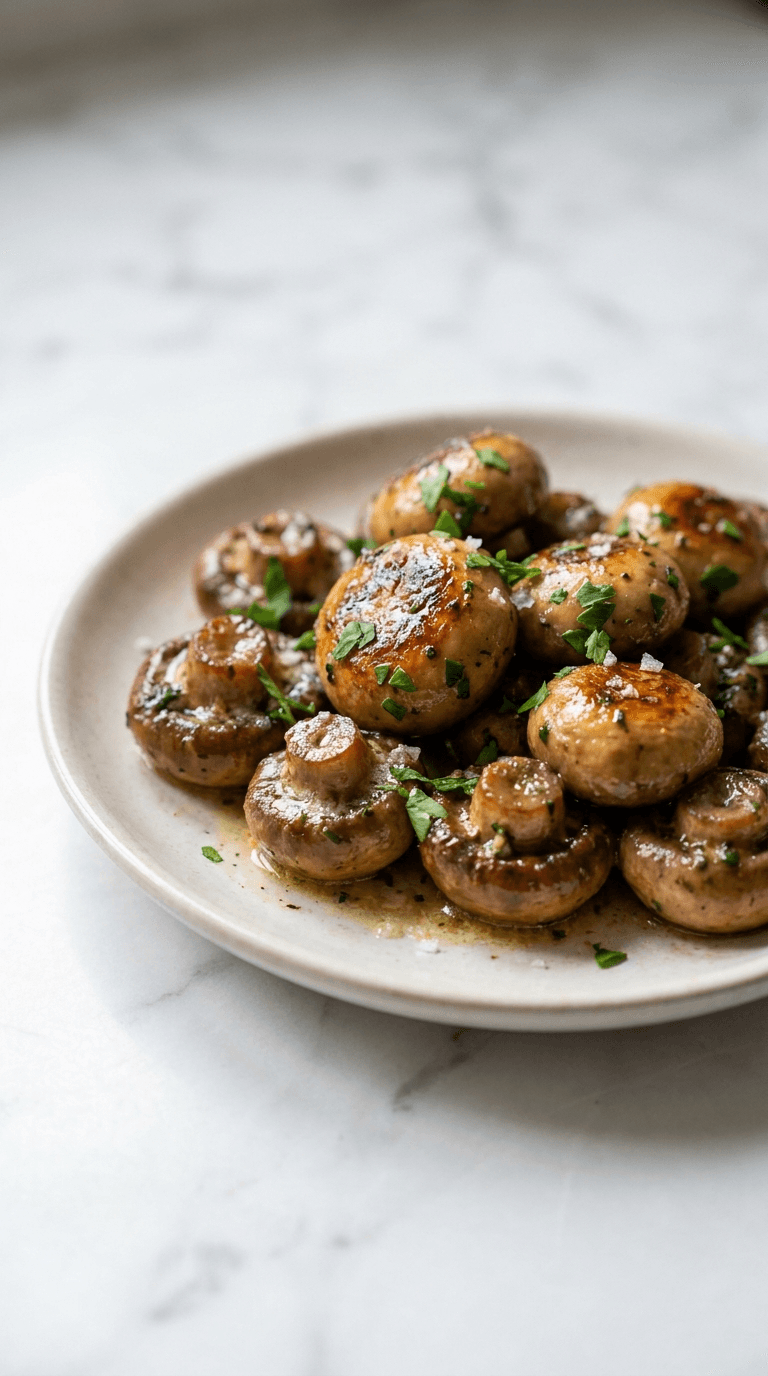
Dinner
Best Low Carb Garlic Butter Mushrooms
Discover best low carb garlic butter mushrooms - tasty, keto-friendly side dish that's easy to make in minutes.
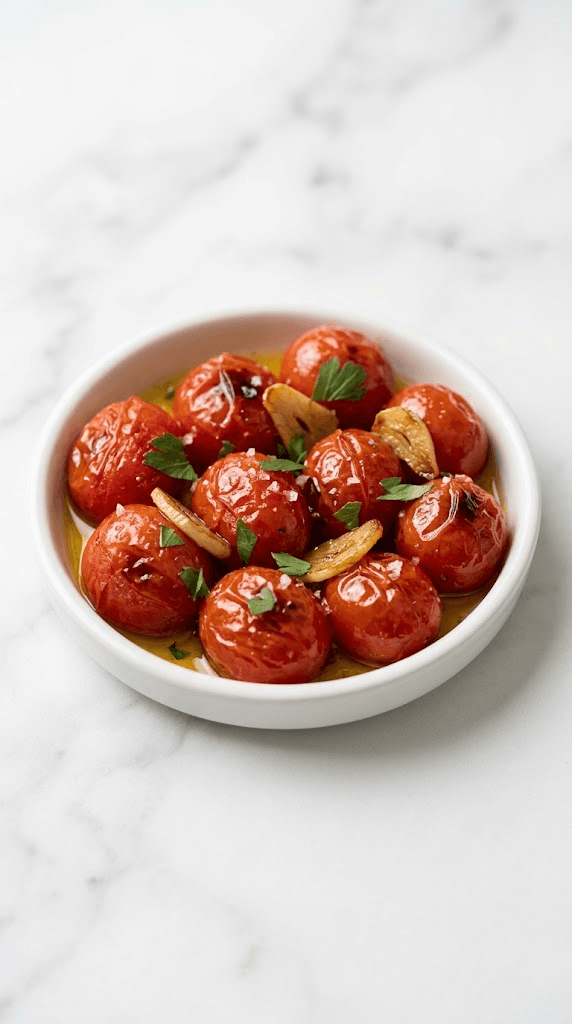
Dinner
Best Low Carb Roasted Tomatoes with Garlic
Discover the best low carb roasted tomatoes with garlic for tender, flavorful sides and quick, healthy meals.
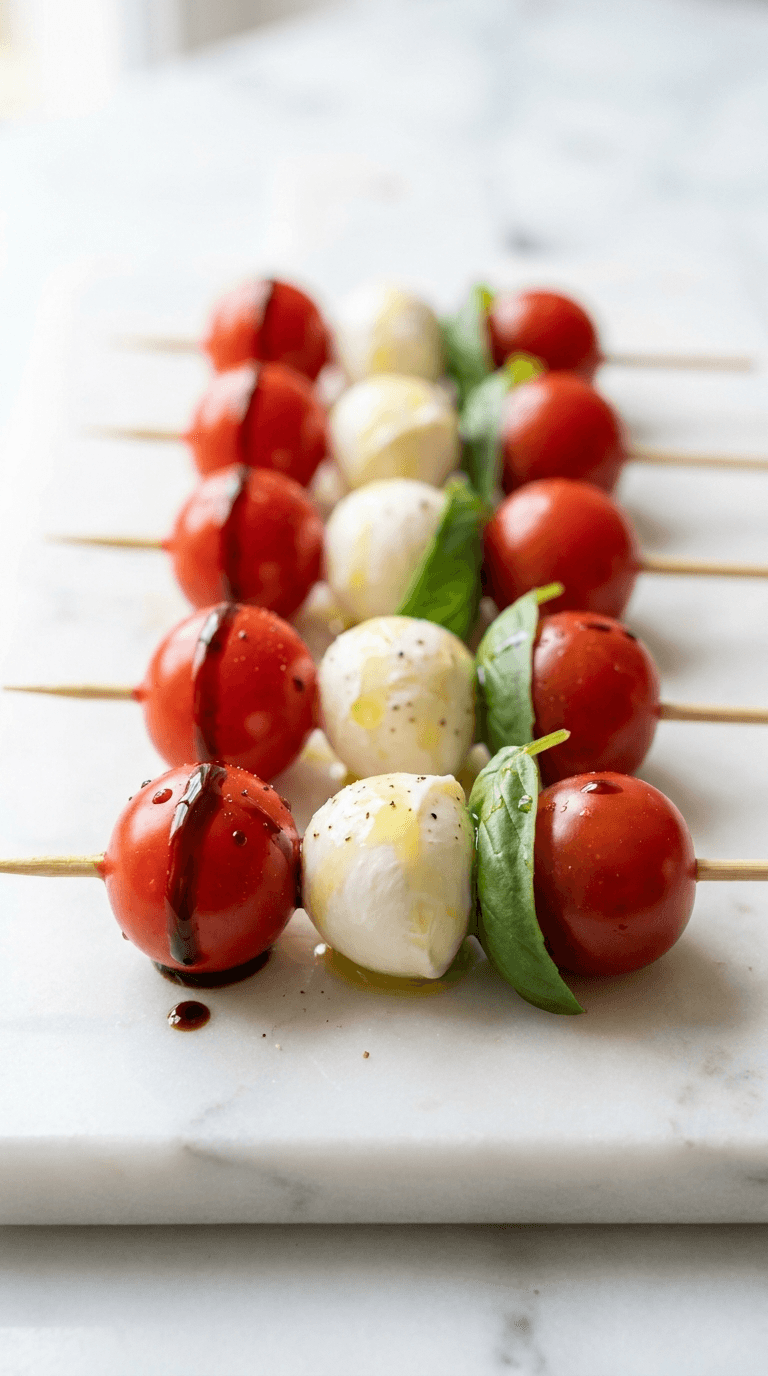
Dinner
Caprese Skewers
caprese skewers: fresh mozzarella, tomatoes, and basil on a stick for easy, elegant bites. Learn more.
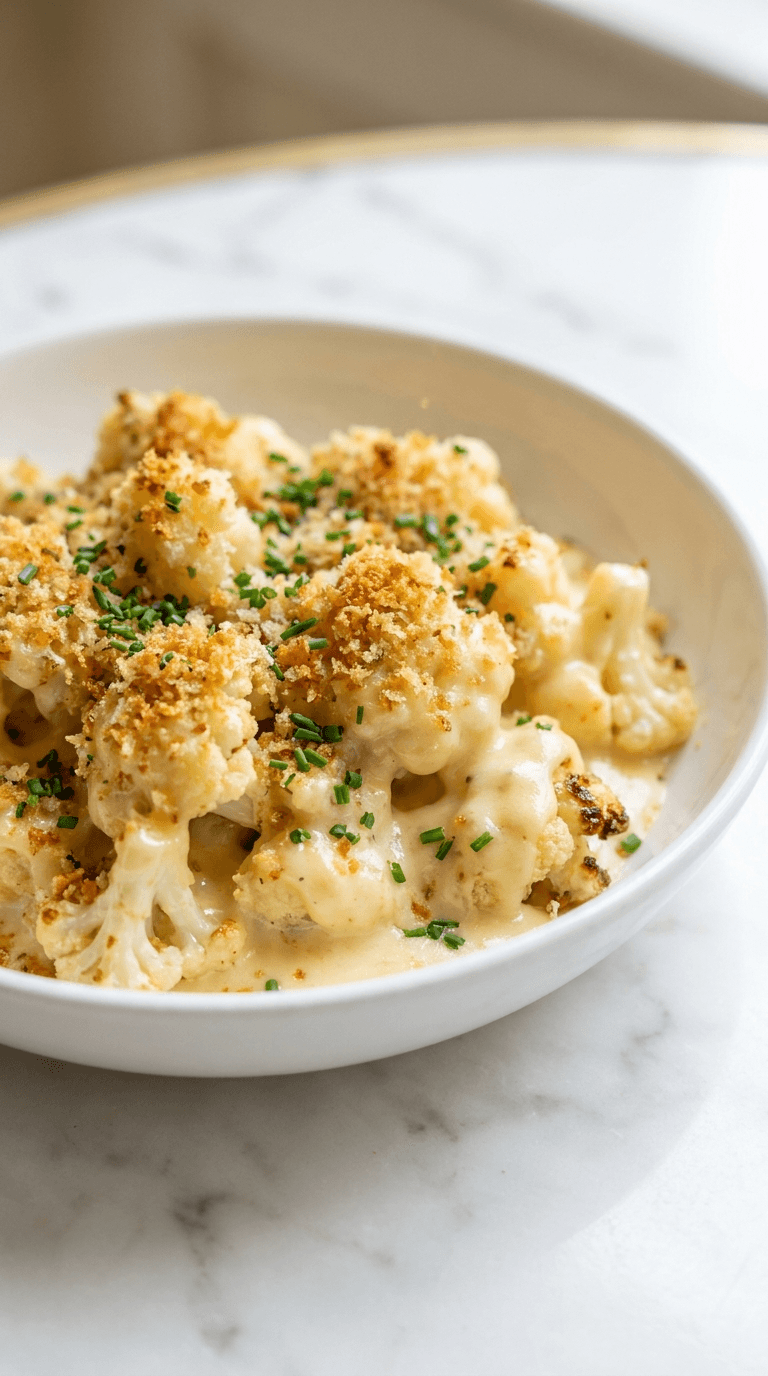
Dinner
Cauliflower Mac and Cheese
Discover a creamy cauliflower mac and cheese that's comforting and lighter, with simple tips for a veggie-packed dinner.
Dinner
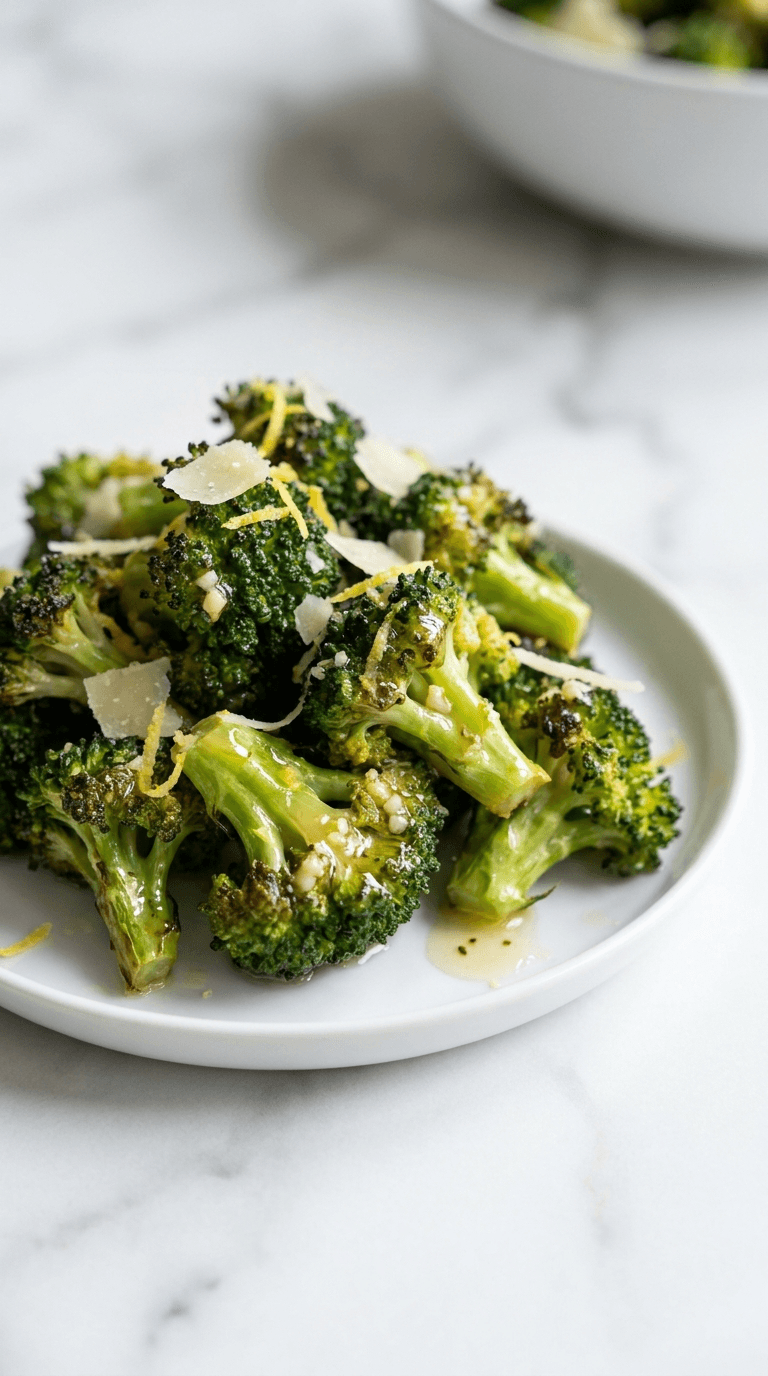
Diabetic Air Fryer Frozen Broccoli
Discover diabetic air fryer frozen broccoli that is crisp, convenient, and diabetes-friendly with minimal oil.

Dinner
Diabetic Bacon Wrapped Smokies
Discover diabetic bacon wrapped smokies - delicious, low-carb bites that fit diabetic-friendly menus without sacrificing flavor.