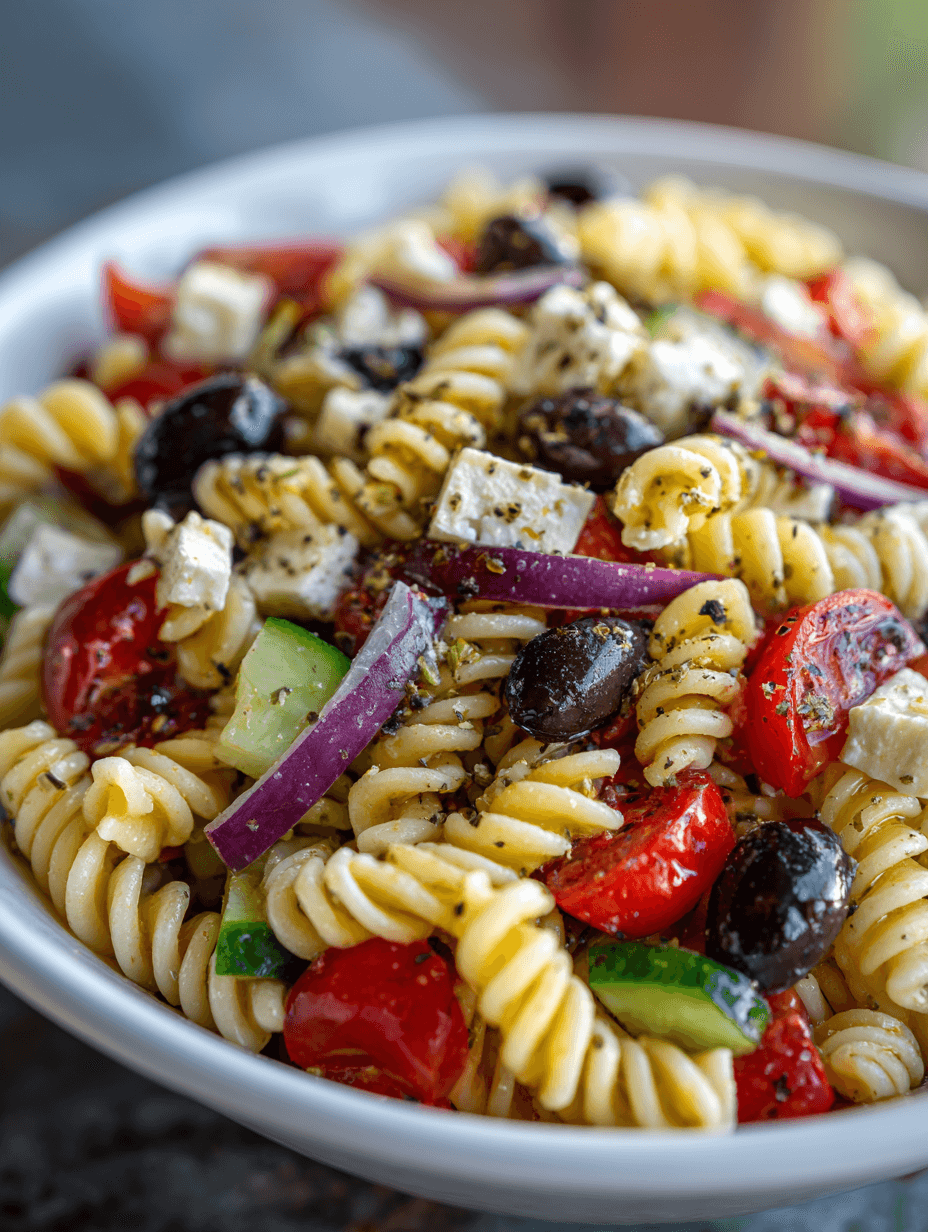
Greek Pasta Salad Recipe
If you need a fresh, colorful, crowd-pleasing side, this Greek Pasta Salad Recipe checks every box—easy, make-ahead friendly, packed with crisp vegetables, briny olives, and a zippy homemade dressing.
A bright, hearty bowl that tastes like summer
There’s something about a big bowl of Greek pasta salad that feels both practical and a little special. It’s the kind of dish I pull out for a backyard cookout, a church potluck, a baby shower lunch, or one of those hot evenings when turning on the oven sounds downright foolish. This greek pasta salad recipe brings together tender pasta, juicy tomatoes, crunchy cucumber, red onion, Kalamata olives, and creamy feta in a way that feels fresh, balanced, and deeply satisfying.
What makes this one stand out? For starters, it’s easy. Truly easy. You boil pasta, whisk a simple greek pasta salad dressing, chop a few vegetables, and toss it all together. But beyond that, it’s the flavor contrast that makes people come back for seconds: salty feta, bright lemon, herby oregano, sweet tomatoes, and that lovely olive oil finish. It’s a mediterranean pasta salad recipe that tastes like sunshine in a bowl.
I’ve made versions of this for years, especially from late spring through Labor Day. In my house, it usually appears alongside grilled chicken, burgers, or lemony salmon. And if I’m being honest, I often make it for lunch and sneak forkfuls from the fridge the next day. It’s that kind of recipe—humble, reliable, and somehow even better after it sits a little while.
From a nutrition standpoint, this is a strong pick too. Compared with creamy pasta salads, a healthy greek pasta salad made with olive oil dressing feels lighter and cleaner on the palate. You get fiber-rich vegetables, heart-friendly fats from olive oil, and protein from feta, with no heavy mayonnaise in sight. That’s a win in my book.
Why you’ll love this recipe
- It’s a true easy greek pasta salad for busy weekdays or last-minute gatherings.
- No mayo means it tastes fresh and light, even on hot days.
- It’s perfect served cold, making it an ideal summer pasta salad recipe.
- The flavors get better as it chills, so it’s wonderful for make-ahead meals.
- You can serve it as a main dish, side dish, or greek pasta salad for potluck events.
- It’s naturally vegetarian, so it works well as a vegetarian greek pasta salad.
- The ingredients are easy to find at any regular grocery store.
- It scales beautifully if you need a greek pasta salad for crowd situations.
- It’s colorful, cheerful, and always looks good on a buffet table.
- You can customize it with extra veggies, beans, or grilled protein.
Ingredients
Here’s what you’ll need for this homemade greek pasta salad:
- 12 ounces rotini pasta (or penne, fusilli, or bow ties)
- 1 1/2 cups cucumber, diced (English cucumber works especially well because it has fewer seeds)
- 1 1/2 cups cherry tomatoes, halved
- 3/4 cup red onion, thinly sliced or finely chopped
- 1 cup Kalamata olives, halved
- 1 cup feta cheese, cubed or crumbled
- 1/2 cup roasted red peppers, sliced (optional, but lovely for sweetness)
- 1/4 cup fresh parsley, chopped
For the dressing:
- 1/3 cup extra-virgin olive oil
- 3 tablespoons red wine vinegar
- 2 tablespoons fresh lemon juice
- 1 teaspoon Dijon mustard
- 1 teaspoon dried oregano
- 1/2 teaspoon garlic powder
- 1 small garlic clove, finely grated or minced
- 1/2 teaspoon kosher salt
- 1/4 teaspoon black pepper
Optional add-ins:
- 1 cup chickpeas, drained and rinsed
- 1 diced bell pepper
- 1/2 cup artichoke hearts, chopped
A few ingredient notes, because these little things matter:
- Use a sturdy pasta shape with grooves and curves. Rotini really grabs onto the dressing.
- For the best greek pasta salad with cucumber, dice the cucumber into bite-size pieces so every forkful gets some crunch.
- If you’re making greek pasta salad with tomato, cherry or grape tomatoes are better than large tomatoes because they hold their shape.
- Kalamata olives give this dish its classic flavor. If you like a milder taste, black olives can work, though the salad won’t taste quite as authentic.
- Block feta tends to taste better than pre-crumbled feta. It’s creamier and less dry.
- A good olive oil helps here. I like California Olive Ranch or Iliada for reliable flavor.
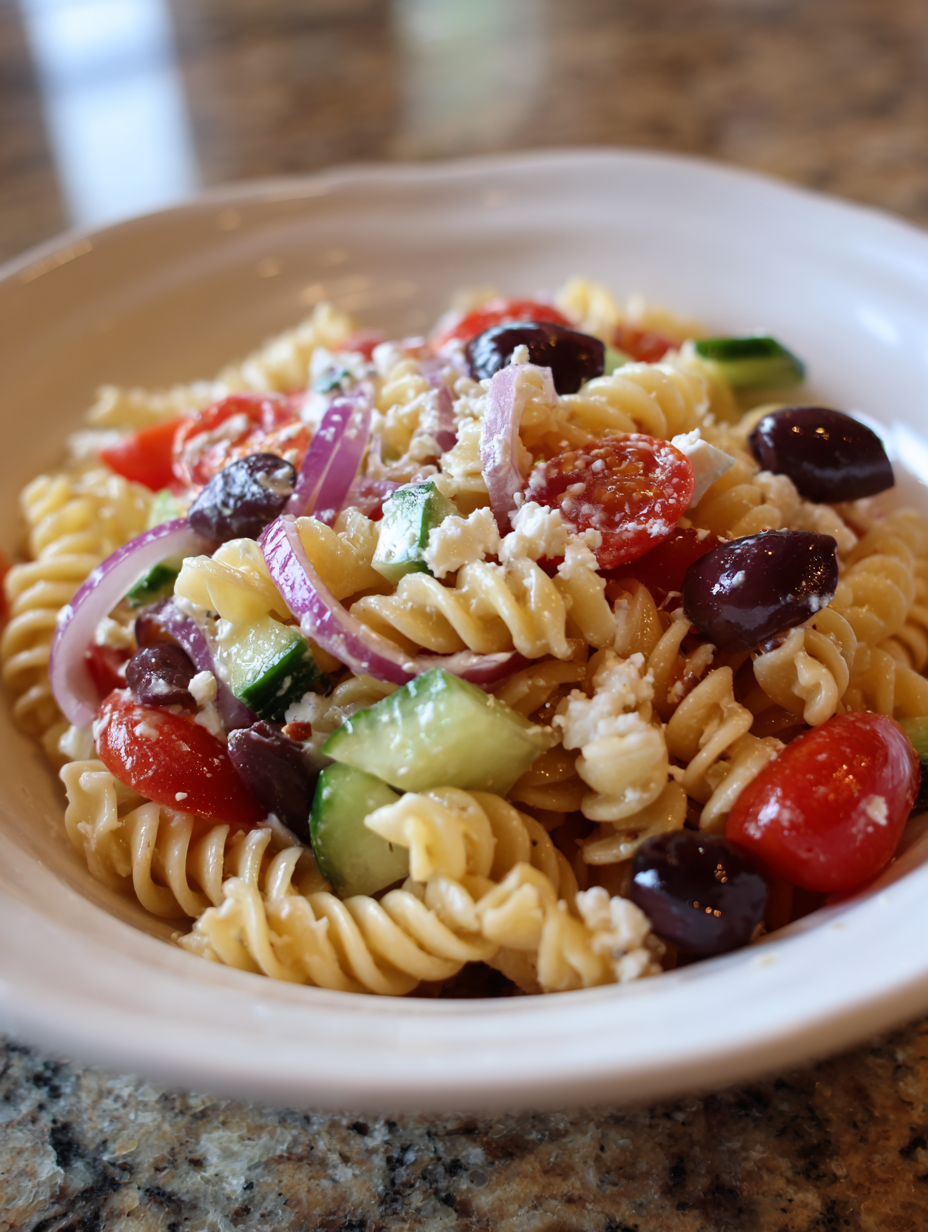
Directions
Cook the pasta.
Bring a large pot of well-salted water to a boil and cook the pasta according to package directions until al dente. You want it tender but still a little firm, because soft pasta can turn mushy once dressed.Drain and cool.
Drain the pasta and rinse it briefly under cool water to stop the cooking. Let it drain well. This part matters more than people think—excess water can dilute your dressing.Make the dressing.
In a jar or small bowl, whisk together the olive oil, red wine vinegar, lemon juice, Dijon mustard, oregano, garlic powder, fresh garlic, salt, and pepper. Taste it. It should be bright and punchy, because the pasta will soften the flavor once everything is mixed.Prep the vegetables.
While the pasta cools, chop the cucumber, halve the cherry tomatoes, slice the onion, and halve the olives. If your red onion tastes especially sharp, soak it in cold water for 10 minutes, then drain. That little trick takes the edge off beautifully.Combine the salad.
In a large mixing bowl, add the cooled pasta, cucumber, tomatoes, red onion, olives, roasted red peppers if using, and parsley. Pour about three-quarters of the dressing over the salad and toss gently.Add the feta.
Fold in the feta last so it keeps some shape and doesn’t disappear into the bowl. If you’re after a pretty presentation, save a little feta for the top.Chill before serving.
Cover and refrigerate for at least 30 minutes. An hour is even better. This gives the flavors time to mingle, and it turns a good cold greek pasta salad into a really memorable one.Finish and serve.
Right before serving, toss the salad again and add the remaining dressing if it looks a little dry. Pasta tends to soak things up as it sits—that’s normal. Taste and add a pinch more salt, pepper, or lemon juice if needed.
Servings & timing
- Yield: 6 to 8 side-dish servings, or 4 hearty lunch servings
- Prep Time: 20 minutes
- Chill Time: 30 minutes
- Cook Time: 10 minutes
- Total Time: About 1 hour
If you’re serving this as a greek pasta salad side dish for a cookout, you’ll usually get 8 portions. For lunch meal prep, expect about 4 solid servings.
Variations
This simple greek pasta salad is flexible, which is one reason I love it so much.
- Add grilled chicken for a more filling main-dish version.
- Stir in chickpeas for extra fiber and protein.
- Use whole wheat or chickpea pasta for a more healthy greek pasta salad spin.
- Swap parsley for fresh dill if you want a more herb-forward finish.
- Add chopped romaine just before serving for a salad-meets-pasta texture.
- Toss in marinated artichokes for a briny, deli-style variation.
Storage & reheating
Store leftover salad in an airtight container in the refrigerator for up to 4 days. Because this is a cold greek pasta salad, there’s no reheating needed. In fact, it’s best served chilled or at cool room temperature.
If the pasta soaks up too much dressing by day two—and it usually does a little—freshen it with a drizzle of olive oil, a squeeze of lemon juice, or a spoonful of red wine vinegar before serving.
I don’t recommend freezing it. Cucumbers and tomatoes lose their texture, and pasta tends to go soft after thawing.
For make-ahead prep, you can cook the pasta and mix the dressing a day in advance. Chop the vegetables the same day if possible for the freshest texture. If you’re making this greek pasta salad for potluck, assemble it a few hours ahead and hold back a little feta and parsley to sprinkle on top just before serving. It looks prettier that way, and yes, people do eat with their eyes first.
Notes
A few personal tips from my own kitchen:
- Salt your pasta water well. This is your first chance to build flavor.
- Don’t overcook the pasta. I learned that lesson the hard way one Fourth of July when my salad turned a bit too soft after sitting outside.
- Dress the pasta while it’s cool, not piping hot. Hot pasta drinks up dressing too quickly and can dull the fresh vegetable texture.
- If you want a more authentic greek pasta salad feel, keep the ingredient list simple and let the olives, feta, oregano, and olive oil do the heavy lifting.
- For the best greek pasta salad with feta, use feta packed in brine if you can find it. The flavor is richer, and the texture is creamier.
- This salad tastes even better after thirty minutes to an hour in the fridge, but don’t let it sit too long without checking the seasoning. Cold foods sometimes need an extra sprinkle of salt or acid.
One more thing: if you’re serving a mixed crowd, this recipe is wonderfully forgiving. Folks who love bold flavor appreciate the olives and feta, while even picky eaters tend to enjoy the pasta and tomatoes. It’s a nice middle ground dish—not boring, but not too fussy either.
FAQs
Can I make this greek pasta salad recipe the night before?
Yes, absolutely. It actually improves after a few hours in the fridge. Just save a bit of dressing to toss in before serving so it stays fresh and glossy.
What is the best pasta shape for greek pasta salad?
Rotini, fusilli, and penne are all excellent choices because they hold the dressing well. Avoid very delicate pasta shapes that can tear or get soggy.
How do I keep pasta salad from drying out?
Pasta naturally absorbs dressing as it chills. Reserve a little extra greek pasta salad dressing and stir it in right before serving.
Can I make this recipe gluten-free?
Yes. Use your favorite gluten-free short pasta and cook it carefully, as gluten-free pasta can become soft faster than traditional pasta.
Is this a vegetarian greek pasta salad?
Yes, as written it is vegetarian. Just be sure your feta and Dijon meet your personal dietary preferences.
What can I use instead of feta?
If you don’t like feta, try cubed mozzarella for a milder option, though the salad will lose some of its classic Greek flavor. Goat cheese can work too, but it changes the texture.
Can I add more protein?
Certainly. Grilled chicken, shrimp, or chickpeas all work well. Chickpeas are especially nice if you want to keep it meatless.
How long can greek pasta salad sit out at a party?
For food safety, try not to leave it out for more than 2 hours, or 1 hour if it’s very hot outside. If you’re hosting in summer, set the bowl over ice to keep it cooler longer.
Conclusion
This best greek pasta salad recipe is fresh, easy, and full of bright Mediterranean flavor, with just the right mix of crunch, creaminess, and tang. Whether you need a quick greek pasta salad for lunch prep or a dependable side for your next cookout, this one earns its place on the table every single time.
If you give it a try, I’d love to hear how it turned out for you. Leave a comment, share your favorite add-ins, and if you’re in the mood for more warm-weather dishes, take a peek at a few other fresh salads and easy dinner recipes too.
Read next
Salads Sides
Best Low Carb Air Fryer Asparagus
Discover the best low carb air fryer asparagus, crisp, tasty, and quick for easy keto meals.
Salads Sides
Low-Carb Lemon Garlic Green Beans
Discover low carb lemon garlic green beans—tender, bright, and easy to prepare for a quick weeknight side.
Salads Sides
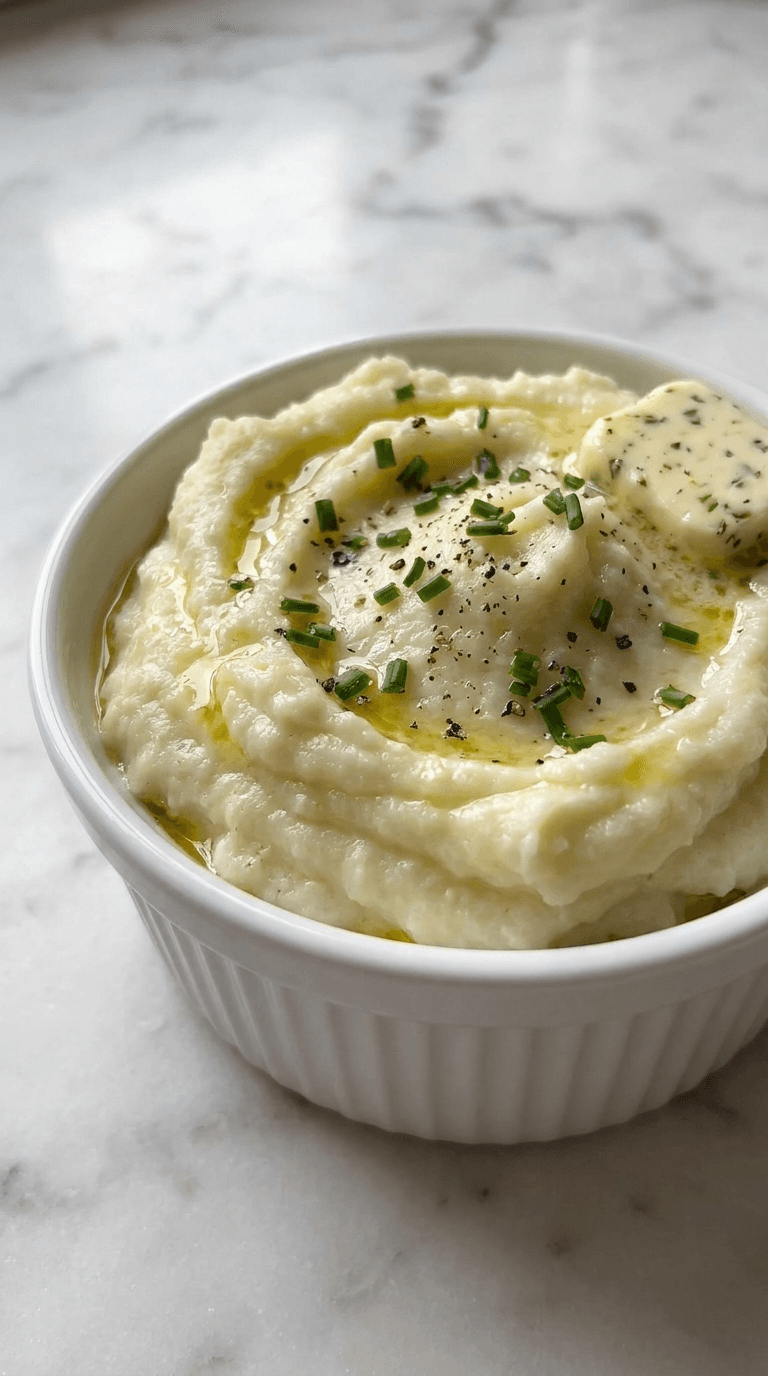
Mashed Cauliflower
Discover mashed cauliflower as a light, creamy side that is low-carb and tasty - easy to make.
Salads Sides
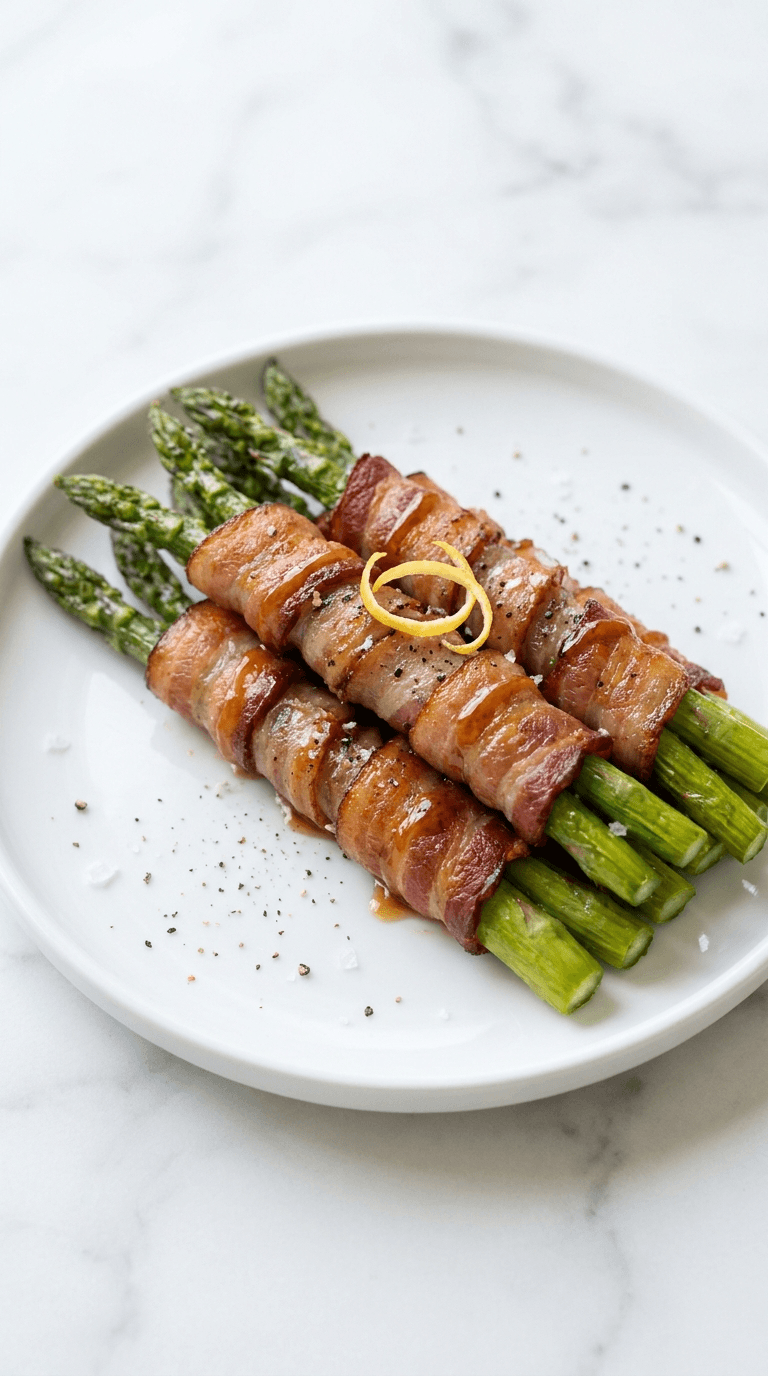
No Carb Bacon Wrapped Asparagus
Discover no carb bacon wrapped asparagus, crisp keto-friendly bites that are easy to make and full of flavor.

Salads Sides
No Carb Bacon Wrapped Asparagus Bites
Discover no carb bacon wrapped asparagus, crisp, savory bites that cut carbs.

Salads Sides
30 Minute Low Carb Antipasto Salad
Discover a tasty 30 minute low carb antipasto salad for quick, healthy weeknights.