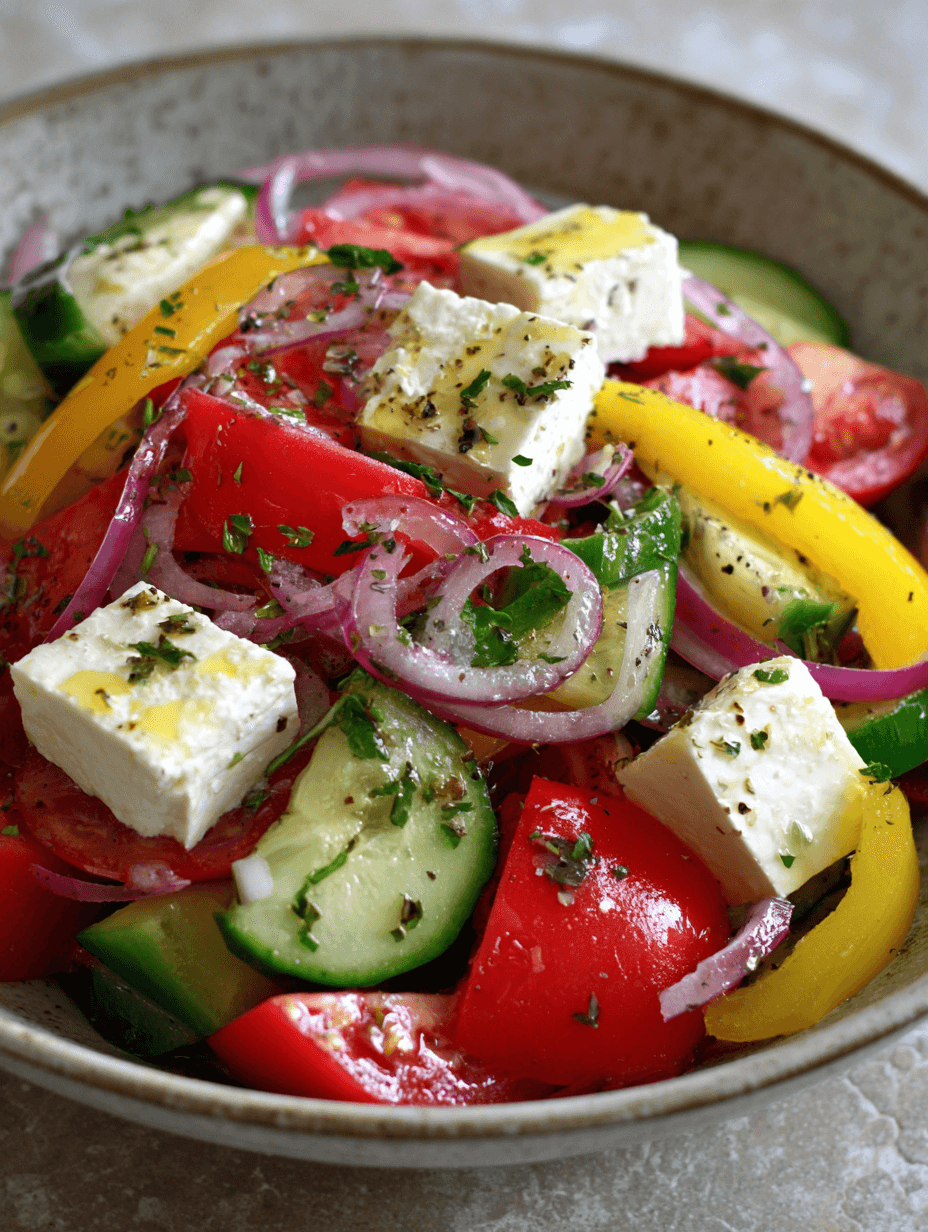
Greek Salad
Fresh, crunchy, salty, and bright—this Greek Salad is my go‑to healthy side (or light lunch) that comes together in minutes, no stove or oven required.
If you’re craving a classic Greek salad that tastes like something you’d eat at a little taverna by the sea, you’re in the right place. This authentic Greek salad recipe (also called horiatiki salad) is packed with ripe tomatoes, crisp cucumbers, briny olives, and creamy feta cheese, all tossed in a simple homemade Greek salad dressing. It’s an easy Greek salad you can whip up for a quick lunch, a summer cookout, or as a fresh, colorful Greek side salad next to grilled chicken or fish. And yes—this is a traditional Greek salad without lettuce, just like they serve it in Greece.
What Makes This Greek Salad So Special?
Greek salad, or horiatiki, is a traditional village Greek salad that really celebrates simple, high‑quality ingredients. No fancy techniques, no hard‑to-find products—just good produce, a generous drizzle of extra virgin olive oil, and bold, savory flavors.
Here’s what makes this version stand out:
- It stays true to the classic Greek salad ingredients: tomato, cucumber, red onion, Kalamata olives, green bell pepper, and a big slab (not crumbles!) of feta cheese.
- The Greek salad dressing is nothing more than olive oil, red wine vinegar, lemon, garlic, and dried oregano—clean, Mediterranean flavors that also happen to fit into a healthy, low calorie Greek salad pattern.
- It’s naturally vegetarian and gluten‑free, and you can easily tweak it into a vegan Greek salad by skipping the feta or using a plant‑based version.
- There’s no lettuce, so it holds up better on a buffet table, making it perfect for summer parties, picnics, and potlucks.
- It’s what I like to call a “fridge saver”: if your tomatoes or cucumbers are getting a little too ripe, this fresh Greek salad gives them new life.
I started making this authentic Greek salad years ago after a family trip to a tiny island where lunch was always the same: grilled fish, bread, and a big bowl of horiatiki salad in the center of the table. No one asked for anything different because honestly, why would you? It was juicy, salty, and refreshing, and we practically drank the tomato-olive oil juices from the bottom of the bowl.
Now, I make this simple Greek salad on repeat all summer long, especially when tomatoes are at their peak. But it also brightens up the colder months; it’s a little bowl of sunshine when the skies are gray.
Why You’ll Love This Greek Salad Recipe
- No cooking needed – This is a no‑cook, no‑bake recipe; just chop, whisk, and toss.
- Ready in about 15 minutes – Perfect for a quick Greek salad for lunch or a last‑minute side.
- Healthy and light – A naturally low calorie Greek salad, rich in fiber and heart‑healthy fats.
- Packed with Mediterranean flavor – Classic Greek salad ingredients layered with oregano, lemon, and briny olives.
- Great make‑ahead option – The veggies can be prepped ahead, and the homemade Greek salad dressing keeps beautifully.
- Customizable – Easy to turn into a Mediterranean Greek salad meal with chickpeas, grilled chicken, or quinoa.
- No lettuce to wilt – A traditional Greek salad without lettuce means it stays crisp longer.
- Looks gorgeous on the table – Those bright reds, greens, and creamy white feta make this a show‑stopping summer Greek salad.
- Gluten‑free and vegetarian – A vegetarian Greek salad recipe that works for many dietary needs.
- Budget‑friendly – Uses simple, everyday ingredients you can find at any grocery store.
Ingredients for the Best Greek Salad
You know what? With a recipe this simple, the quality of each ingredient really matters. Try to choose the freshest produce you can find, and use a good‑tasting extra virgin olive oil. You really will taste the difference.
For the Greek Salad
4 medium ripe tomatoes, cut into wedges or large chunks
Look for tomatoes that feel heavy for their size, smell fragrant, and give slightly when pressed—vine‑ripened if possible.1 large English cucumber, halved lengthwise and sliced into half‑moons (about 2 ½ cups)
You can use Persian cucumbers as well; if using a standard cucumber with thick skin or big seeds, peel it and scoop out the seeds.1 small red onion, thinly sliced
Soak the slices in cold water for 10 minutes if you’re sensitive to strong onion flavor—it softens the bite.1 green bell pepper, cored, seeded, and thinly sliced into rings or strips
Green pepper is traditional for a classic Greek salad, but you can use red or yellow for extra sweetness.¾ cup Kalamata olives, pitted (whole or halved)
Choose olives packed in brine for that classic salty, briny flavor. If you like a milder taste, rinse them lightly.6–8 oz feta cheese, cut into 1–2 large slabs or thick slices
For an authentic Greek salad, use a block of feta in brine, ideally from sheep’s milk or a sheep/goat blend. Skip pre‑crumbled feta if you can—it’s drier and less flavorful.2–3 Tbsp extra virgin olive oil (for drizzling on top, beyond the dressing)
A peppery, fruity olive oil really shines here; this is where a favorite brand is worth it.1 tsp dried oregano, plus more for sprinkling
Greek oregano if you can find it; rub it between your fingers before adding to release the aroma.Kosher salt and freshly ground black pepper, to taste
For the Homemade Greek Salad Dressing
This Greek salad dressing is simple but bold, and it works beautifully on any tomato cucumber salad Greek style.
- ¼ cup extra virgin olive oil
- 2 Tbsp red wine vinegar
- 1 Tbsp fresh lemon juice (about ½ lemon)
- 1 small garlic clove, minced or grated
- 1 tsp dried oregano
- ½ tsp Dijon mustard (optional, helps the dressing emulsify)
- ½ tsp kosher salt
- ¼ tsp freshly ground black pepper
Substitutions & Notes:
- Olive oil: Extra virgin is ideal. If you only have regular olive oil, use it, but the flavor will be milder.
- Vinegar: Red wine vinegar is the classic choice for a traditional Greek salad; white wine vinegar is a decent backup.
- Onion: Red onion is standard, but sweet onion works if you prefer a gentler flavor.
- Olives: Kalamata are traditional; you can mix in green olives or even Castelvetrano for a softer, buttery bite.
- Feta: For a lower‑fat Greek salad, use a light feta, but know it’ll be a bit less creamy.
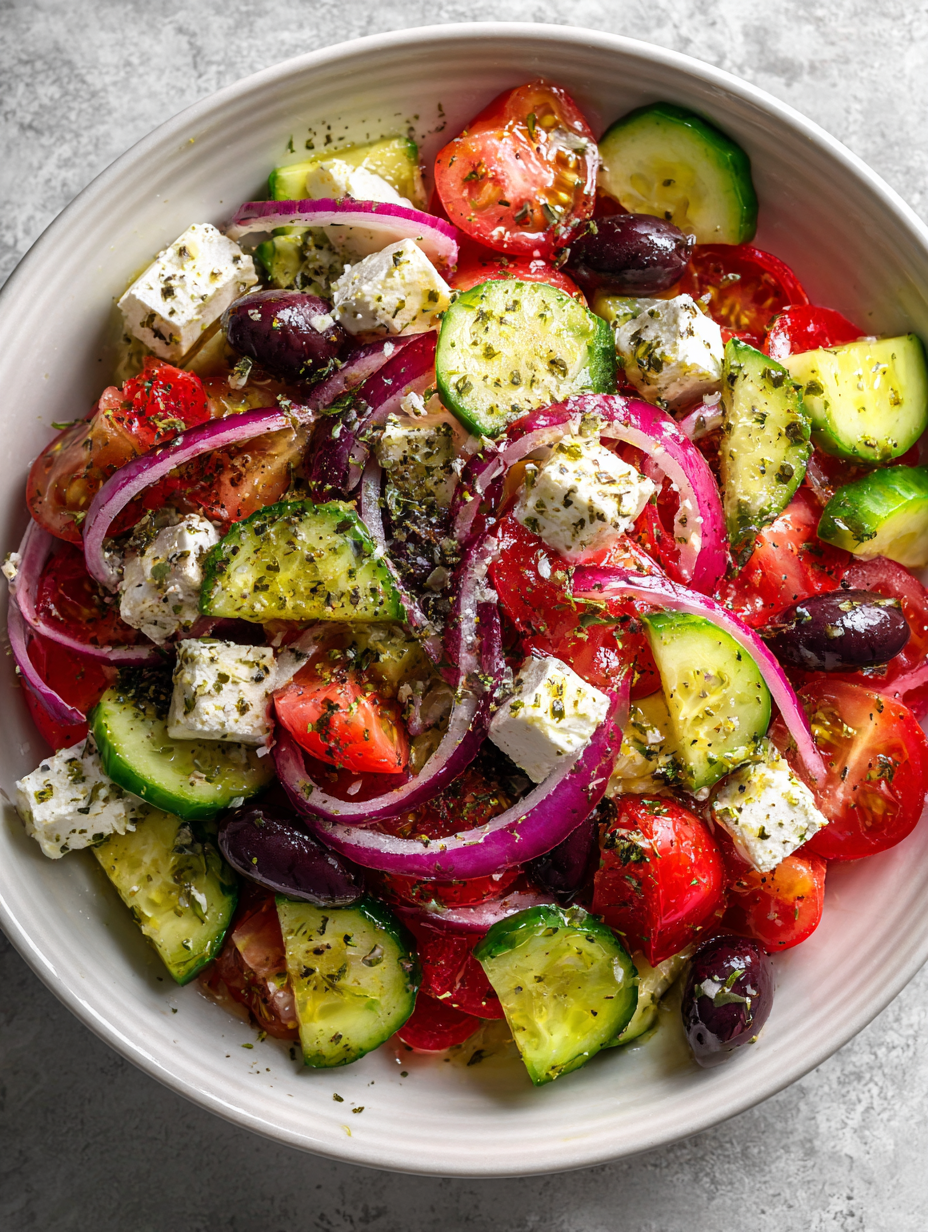
Step‑by‑Step Directions: How To Make Greek Salad
This really is a quick Greek salad, but let’s slow it down and walk through it together so you get that perfect balance of flavors.
1. Prep the Vegetables
Chop your tomatoes into chunky wedges or large bite‑size pieces and add them to a large salad bowl. You want them big enough that they hold their shape and release those lovely juices slowly.
Slice the cucumber into half‑moons and add to the bowl. If your cucumber has thick, waxy skin, peel it first. If the seeds are large and watery, scoop them out with a spoon.
Thinly slice the red onion and the green bell pepper and add them to the bowl as well. If you soaked your onion, drain it well before adding.
Tip: Use a sharp knife for everything. A dull knife squashes the tomatoes and makes them watery before they ever get to the bowl.
2. Add the Olives
Toss in the Kalamata olives. You can leave them whole (traditional and pretty) or slice them in half for easier eating. If you’re serving kids or anyone who doesn’t love surprise pits, double‑check that they are fully pitted.
3. Make the Greek Salad Dressing
In a small jar with a lid or a measuring cup, combine:
- ¼ cup olive oil
- 2 Tbsp red wine vinegar
- 1 Tbsp lemon juice
- Minced garlic
- Dried oregano
- Dijon mustard (if using)
- Salt and pepper
Close the jar and shake well, or whisk with a fork until the dressing looks slightly thick and combined.
You’re not looking for anything fancy here—just a well‑mixed, bright dressing that clings lightly to the vegetables.
4. Season and Toss the Vegetables
Pour about two‑thirds of the dressing over the vegetables. Gently toss everything together, making sure the tomatoes and cucumbers get coated. Sprinkle with a pinch of salt and a bit more oregano.
Let the salad sit for about 5–10 minutes. This short rest helps the salt draw out juices from the tomatoes, mixing with the dressing to create that dreamy, spoon‑worthy liquid at the bottom of the bowl.
5. Add the Feta and Finish
Place the slabs of feta cheese right on top of the salad. This is where we stay true to the classic Greek salad: feta on top, not mixed in.
Drizzle the remaining dressing over the feta and salad. Add another light drizzle of olive oil over the cheese, then sprinkle with more dried oregano and a bit of freshly ground black pepper.
You can serve it like this, with the feta on top, letting people break off pieces as they serve themselves. Or, if you prefer a more “restaurant” style Greek salad with feta cheese in every bite, gently break the feta into chunks just before serving and fold it through.
6. Taste and Adjust
Give the salad a taste. Add a pinch more salt if the tomatoes need it, or another squeeze of lemon for extra brightness. If you like more tang, add a teaspoon or two more red wine vinegar.
Serve immediately, or let it rest another 10–15 minutes at room temperature for the flavors to mingle. Just don’t stash it in the fridge too early; super cold tomatoes lose their flavor.
Servings & Timing
- Yield: About 4 servings as a main, 6–8 as a side
- Prep Time: 15 minutes
- Rest Time: 5–10 minutes (optional, but recommended)
- Total Time: 20–25 minutes
For a bigger crowd, you can easily double this recipe—just use a large serving bowl and increase the dressing slightly if needed.
Variations: Fun Twists on Classic Greek Salad
Once you’ve nailed the traditional Greek salad recipe, it’s easy to play around a bit. Here are some ideas I love:
- Protein‑Packed Greek Salad: Add a can of drained chickpeas or grilled chicken strips for a hearty Greek salad for lunch that eats like a full meal.
- Greek Pasta Salad: Toss the salad with cooked, cooled short pasta (like rotini or penne) and a little extra dressing for a picnic‑friendly Mediterranean Greek salad.
- Vegan Greek Salad: Skip the feta or replace it with a good vegan feta; add extra olives or capers for extra salty punch.
- Greek Salad with Avocado: Add chunks of ripe avocado for a creamy twist—delicious with the lemony dressing.
- Spicy Greek Salad: Add thinly sliced fresh chili or a pinch of red pepper flakes to the dressing if you like a little heat.
- Roasted Vegetable Greek Salad: Fold in roasted red peppers or roasted eggplant for a slightly cozier, more complex flavor that’s great in cooler months.
Storage & Make‑Ahead Tips
Greek salad is best the day you make it, but there are a few tricks that help you plan ahead.
Storing Leftovers
- Fridge: Store leftover salad in an airtight container in the refrigerator for up to 2 days.
- The tomatoes will soften and release more juices, but the flavors will still be delicious—almost like a marinated tomato cucumber salad Greek style.
Make‑Ahead Strategy
Up to 1 day ahead:
- Chop the cucumber, bell pepper, and onion; store them together in a sealed container in the fridge.
- Whisk the Greek salad dressing and refrigerate in a jar.
- Wait to cut the tomatoes and add the feta until just before serving; this keeps everything bright and crisp.
Don’t dress too early:
Add the dressing no more than 1–2 hours before serving for the best texture, especially if you’re bringing a Greek side salad to a party.
Freezing?
This one’s easy: don’t freeze Greek salad. The fresh vegetables will lose their texture completely and turn mushy.
Notes from My Kitchen (What I’ve Learned Over the Years)
- Tomatoes are the star. If your tomatoes aren’t great, your salad won’t be either. In the winter, I sometimes use cherry or grape tomatoes because they tend to be sweeter and more consistent in flavor.
- Salt carefully. Feta and olives both add plenty of saltiness. Always taste before adding extra salt at the end.
- Room temperature is magic. Let the salad sit at room temperature for 10–15 minutes before serving; it wakes up the flavors, especially in a fresh Greek salad where every ingredient is on display.
- Don’t skimp on the olive oil. This is a Mediterranean Greek salad—healthy fats are part of what makes it satisfying. The oil mingling with tomato juices is honestly my favorite part.
- Texture matters. Cutting the vegetables into similar‑sized pieces makes each bite balanced. Go for chunky, not tiny, so they hold up and stay crisp.
- Block feta makes a big difference. Once you switch from crumbled feta to a real block in brine, you won’t want to go back. It’s creamier, tangier, and a lot closer to the classic Greek salad you’d get in Greece.
FAQs About Greek Salad
1. Is Greek salad healthy?
Yes. This is a healthy Greek salad packed with vegetables, fiber, and heart‑healthy fats from olive oil. It’s naturally vegetarian and gluten‑free, and can fit into a Mediterranean diet or many weight‑conscious eating plans.
2. Can I make Greek salad without olives?
You can absolutely skip the olives if you don’t like them, though they are a signature ingredient in a traditional Greek salad. Try adding capers instead for a similar briny kick.
3. What’s the difference between Greek salad and horiatiki salad?
They’re essentially the same; horiatiki means “village salad” in Greek and usually refers to the authentic Greek salad without lettuce—with tomatoes, cucumber, onion, pepper, olives, and feta.
4. Can I add lettuce to this salad?
You can, but it won’t be a classic Greek salad anymore. If you enjoy a Greek salad with lettuce, I suggest adding chopped romaine and using a bit more dressing so everything gets evenly coated.
5. How do I keep the onions from being too strong?
Slice them thin and soak them in cold water for 10–15 minutes, then drain well. This tames the sharpness while still giving you that nice crunch and flavor.
6. What kind of feta cheese is best?
Look for feta in brine, preferably from sheep’s milk or a sheep/goat blend. It’s creamier, tangier, and closer to the feta used in a classic Greek salad recipe.
7. Can I make this Greek salad ahead for meal prep?
Yes—with a few tweaks. Store the chopped veggies and dressing separately, then toss with tomatoes, olives, and feta shortly before eating. It makes a great Greek salad for lunch throughout the week.
8. My salad seems watery—what did I do wrong?
Tomatoes naturally release juices, especially once salted. That “water” is actually flavorful dressing. If it feels too thin, you might have cut the tomatoes too small or overdressed the salad; next time, keep the pieces bigger and add the dressing gradually.
Conclusion: A Bowl of Sunshine, Any Time of Year
This Greek salad is everything I love about Mediterranean cooking—simple ingredients, bold flavors, and not a lot of fuss. It’s a fresh Greek salad you can throw together on a busy weeknight, dress up for a summer gathering, or tuck into your lunchbox for a bright, crunchy break in the middle of the day.
If you try this Greek salad recipe, I’d love to hear how it goes—tell me in the comments what twists you added, or whether your family prefers it as a side or a main. And if you’re in the mood for more Mediterranean flavors, this pairs beautifully with grilled chicken, lemony roasted potatoes, or even a platter of hummus and warm pita.
Read next
Salads Sides
Best Low Carb Air Fryer Asparagus
Discover the best low carb air fryer asparagus, crisp, tasty, and quick for easy keto meals.
Salads Sides
Low-Carb Lemon Garlic Green Beans
Discover low carb lemon garlic green beans—tender, bright, and easy to prepare for a quick weeknight side.
Salads Sides
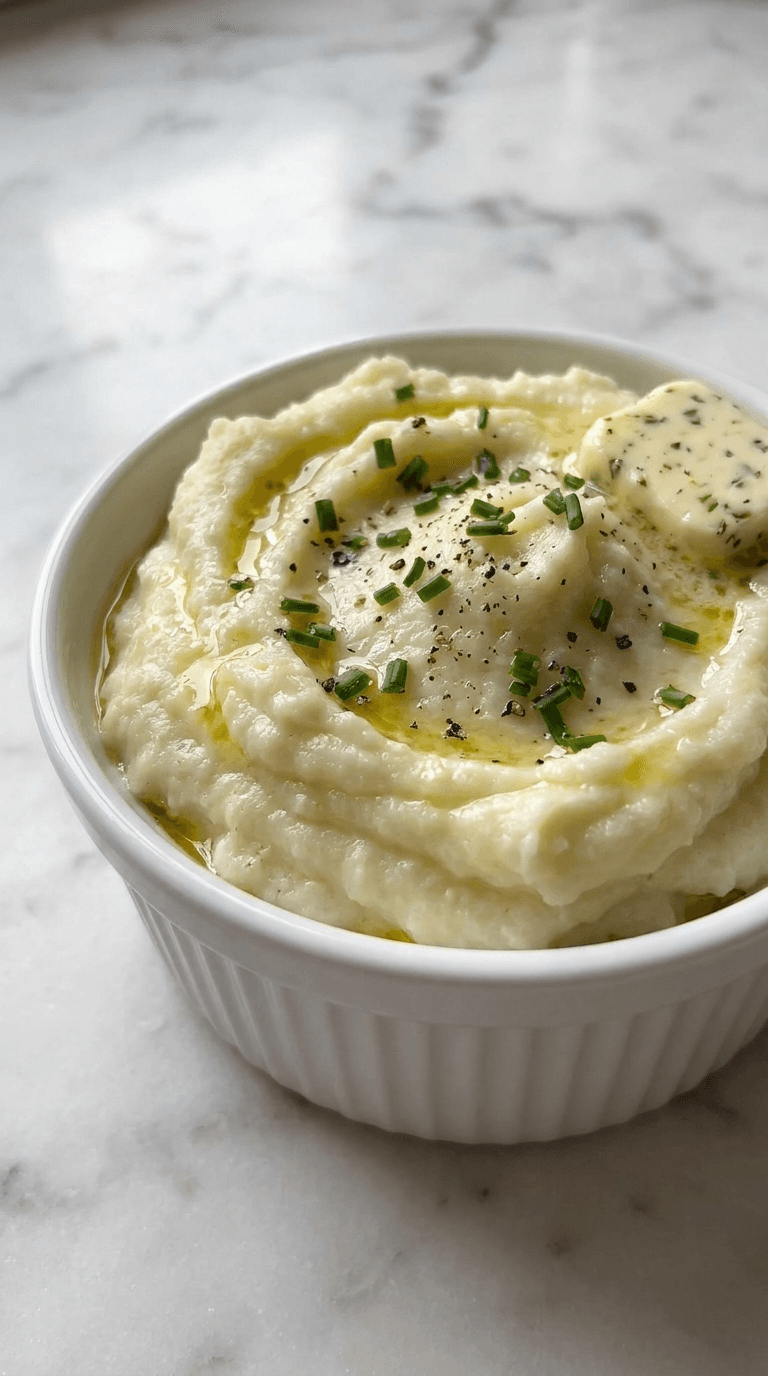
Mashed Cauliflower
Discover mashed cauliflower as a light, creamy side that is low-carb and tasty - easy to make.

Salads Sides
No Carb Bacon Wrapped Asparagus
Discover no carb bacon wrapped asparagus, crisp keto-friendly bites that are easy to make and full of flavor.

Salads Sides
No Carb Bacon Wrapped Asparagus Bites
Discover no carb bacon wrapped asparagus, crisp, savory bites that cut carbs.

Salads Sides
30 Minute Low Carb Antipasto Salad
Discover a tasty 30 minute low carb antipasto salad for quick, healthy weeknights.