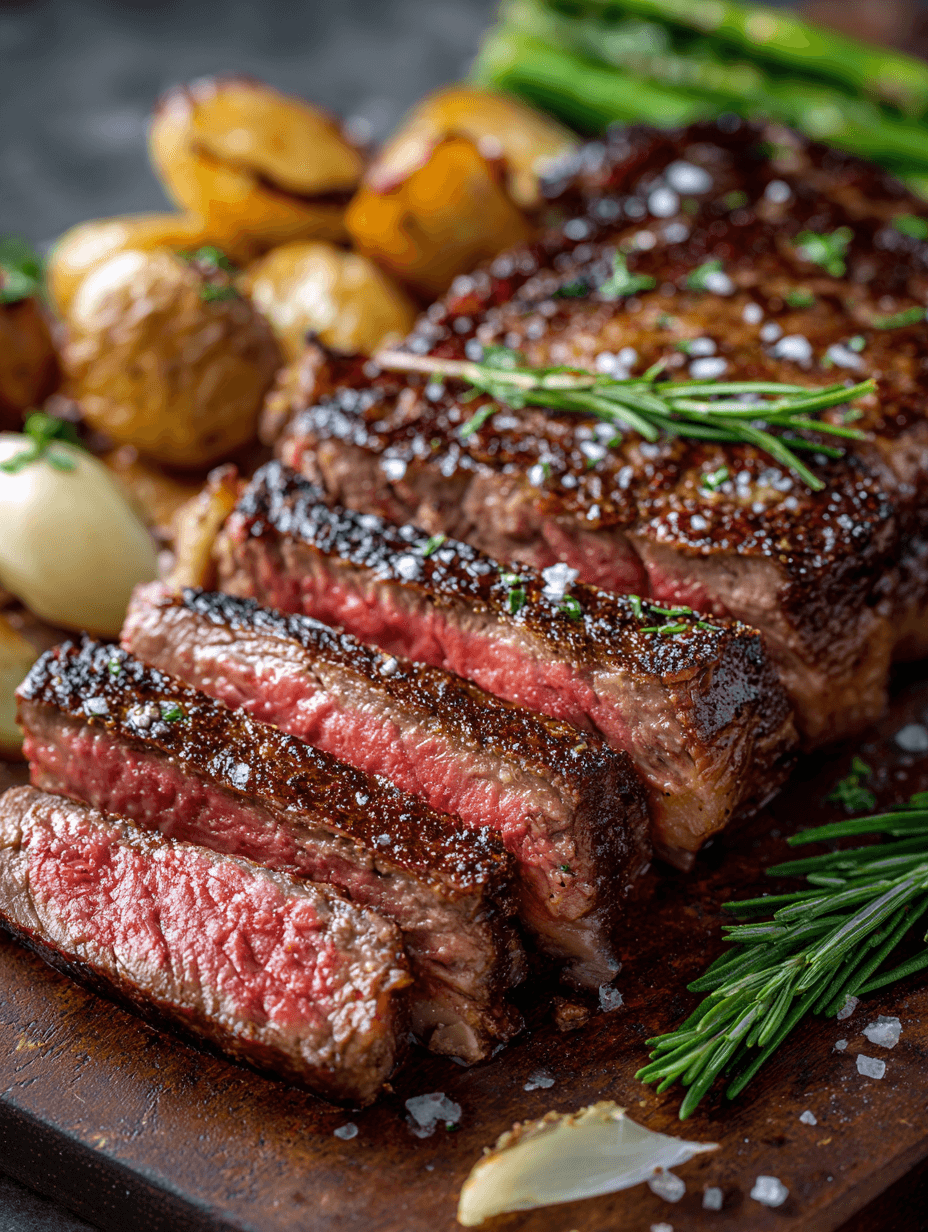
Pan Seared Ribeye Steak Recipe
If you’ve been craving a steakhouse-style dinner without leaving the house, this Pan Seared Ribeye Steak Recipe is the one to make—fast, foolproof, juicy, and finished with buttery garlic and herbs.
A steakhouse favorite you can make right on your stovetop
There’s something deeply satisfying about a beautifully cooked pan seared ribeye steak. It’s simple, yes, but when it’s done right, it feels downright special. You get that dark, flavorful crust on the outside, a tender, rosy center, and all those rich steak juices mingling with melted butter, garlic, and herbs in the skillet. Honestly, it’s hard to beat.
I love this ribeye steak recipe for those evenings when I want dinner to feel a little celebratory, but I don’t want a sink full of dishes or any fuss. Ribeye is naturally well-marbled, so it stays flavorful and tender without needing much help. That’s why this pan seared steak recipe is such a dependable favorite. Whether you’re making a cozy date-night meal, a quick birthday dinner at home, or simply treating yourself after a long week, this one delivers.
And while steak isn’t “light” in the salad sense, it is high in protein, rich in iron and B vitamins, and wonderfully satisfying. Pair it with a green vegetable or a crisp salad, and you’ve got a balanced meal that feels restaurant-worthy. I’ve tested this method over and over in my trusty cast iron skillet, and let me tell you—this cast iron ribeye steak comes out with the kind of crust people talk about.
Why you’ll love this recipe
- Ready in about 15 minutes from start to finish
- Gives you a gorgeous crispy crust ribeye steak with minimal effort
- Perfect for medium rare ribeye steak lovers
- Uses simple ingredients you may already have at home
- Creates a true restaurant style ribeye steak on the stovetop
- Easy enough for beginners, but impressive enough for guests
- The garlic-herb butter makes every bite rich and savory
- Works beautifully as a quick ribeye steak dinner for busy nights
- No grill needed—this is a reliable stovetop ribeye steak method
- Great for customizing with different herbs, spice blends, or finishing salts
Ingredients you’ll need
Here’s what you need for this easy ribeye steak recipe:
- 2 ribeye steaks, about 1 to 1 1/4 inches thick (10 to 12 ounces each)
- Choose steaks with generous marbling for the most juicy ribeye steak result.
- 1 1/2 teaspoons kosher salt
- Diamond Crystal is lovely if you have it; if using Morton, use a little less.
- 1 teaspoon freshly ground black pepper
- Freshly cracked pepper gives better flavor and texture than pre-ground.
- 1 tablespoon avocado oil or canola oil
- Use a neutral oil with a high smoke point.
- 2 tablespoons unsalted butter
- Unsalted lets you control the seasoning better.
- 3 garlic cloves, lightly smashed
- Smashed cloves perfume the butter without burning as quickly as minced garlic.
- 2 sprigs fresh rosemary
- Or use thyme if that’s what’s in your fridge.
- 2 sprigs fresh thyme
- Optional, but wonderful with steak.
- 1 teaspoon flaky sea salt, for finishing (optional)
- A small sprinkle at the end adds texture and that steakhouse feel.
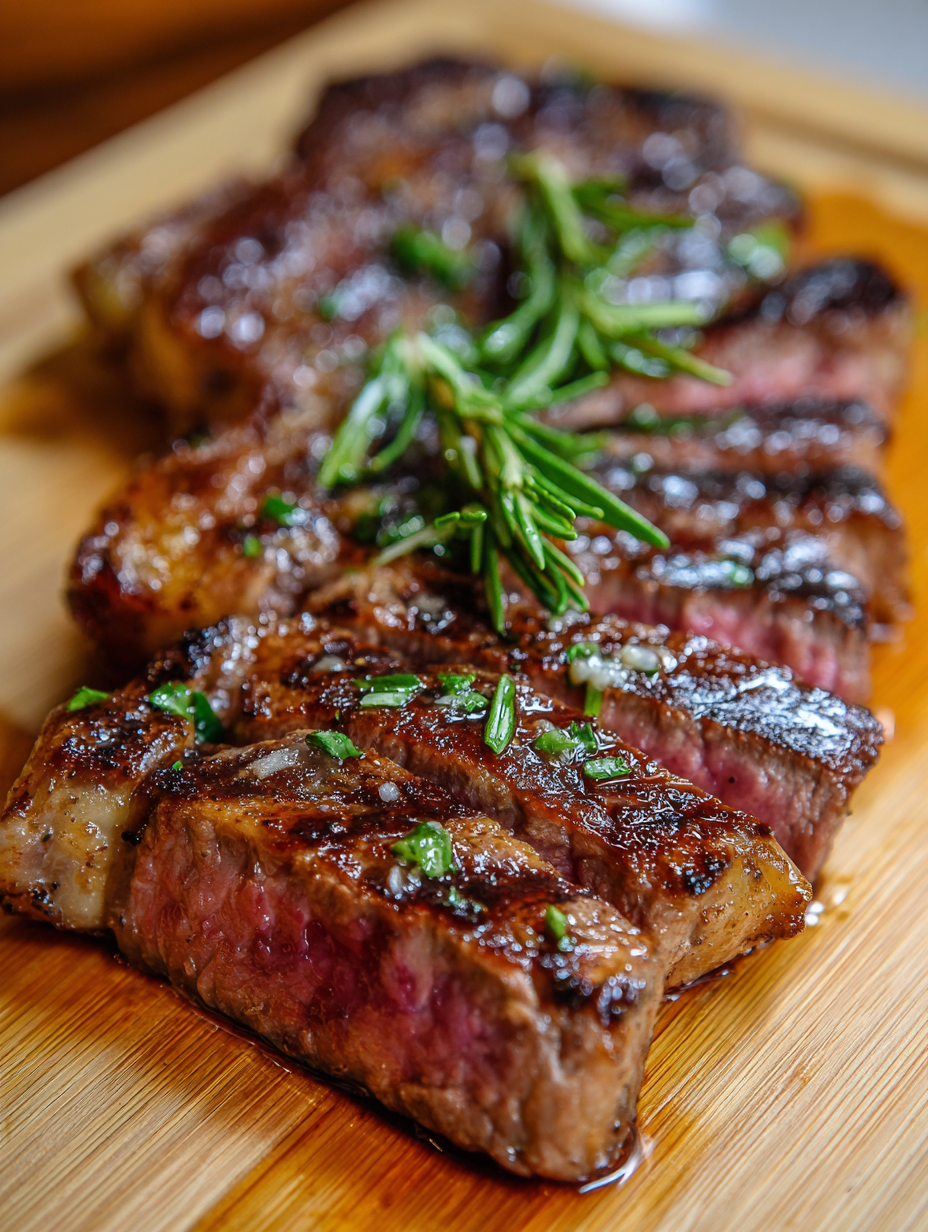
If your ribeye steaks are thicker—say 1 1/2 inches—you may need an extra minute or two of cooking, plus a slightly longer rest. That’s normal. Steak is a bit like pie crust: the more you do it, the more confident you get.
Directions
Bring the steaks to room temperature.
Take the ribeye steaks out of the refrigerator about 30 to 40 minutes before cooking. Pat them very dry with paper towels. This matters more than people think. Dry steak sears better, and better searing means a better crust.Season generously.
Sprinkle both sides of the steaks with kosher salt and black pepper. Press the seasoning in lightly so it adheres well. Let the steaks sit while your skillet heats up.Heat the skillet until very hot.
Place a heavy cast iron skillet over medium-high to high heat for 3 to 5 minutes. You want it properly hot before the steak goes in. That first sizzle is your signal that things are headed in the right direction.Add the oil and sear the steaks.
Pour in the oil, then carefully add the steaks. Lay them down away from you to avoid splatter. Sear without moving them for about 3 to 4 minutes on the first side. If the steak sticks at first, leave it alone—it will naturally release once the crust forms.Flip and cook the second side.
Turn the steaks with tongs and sear the other side for another 2 to 4 minutes, depending on thickness and preferred doneness. For a medium rare ribeye steak, aim for an internal temperature of 130°F to 135°F after resting.Add butter, garlic, and herbs.
Lower the heat slightly, then add the butter, smashed garlic, rosemary, and thyme to the skillet. As the butter foams, tilt the pan and spoon the melted butter over the steaks for about 1 minute. This is where that classic garlic butter ribeye steak flavor comes in, and it smells absolutely wonderful.Check for doneness.
Use an instant-read thermometer for the most reliable result. Here’s a simple guide:- Rare: 120°F to 125°F
- Medium rare: 130°F to 135°F
- Medium: 140°F to 145°F
Remember, the temperature will rise a few degrees as the steak rests.
Rest before slicing.
Transfer the steaks to a plate or cutting board and let them rest for 5 to 10 minutes. Don’t skip this step. Resting helps keep all those flavorful juices in the meat instead of on the plate.Finish and serve.
Spoon any remaining butter and pan juices over the steaks. Sprinkle with flaky sea salt if you like, then serve whole or sliced. This home cooked ribeye steak is marvelous with mashed potatoes, roasted asparagus, or a crisp wedge salad.
Servings & timing
- Yield: 2 servings
- Prep Time: 10 minutes
- Rest Time: 35 to 40 minutes before cooking, plus 5 to 10 minutes after cooking
- Cook Time: 7 to 9 minutes
- Total Time: About 55 to 60 minutes, including resting
If you’re in a hurry, you can shorten the pre-cook rest a bit, but I wouldn’t skip drying and seasoning the steak well. Those two steps really move the needle.
Variations to try
- Spicy ribeye: Add a pinch of crushed red pepper or smoked paprika to the seasoning.
- Herb swap: Use sage or oregano instead of rosemary and thyme for a different savory note.
- Blue cheese finish: Top the hot steak with a small crumble of blue cheese for a steakhouse touch.
- Compound butter version: Replace plain butter with a garlic-herb compound butter for extra richness.
- Pan fried ribeye steak with mushrooms: Sauté mushrooms in the same skillet after the steak rests.
- Simple salt-and-pepper style: Skip the herbs and let the ribeye’s natural flavor take center stage.
Storage & reheating
If you have leftovers—lucky you—store the steak in an airtight container in the refrigerator for up to 3 days. For longer storage, wrap tightly and freeze for up to 2 months.
To reheat, warm gently in a skillet over low heat with a touch of butter, just until heated through. You can also slice it thin and use it cold or room temperature over salad, in a sandwich, or tucked into a warm tortilla. I don’t recommend microwaving unless you absolutely must; it can push a tender steak into chewy territory pretty fast.
For make-ahead prep, season the steaks up to 24 hours in advance and keep them uncovered in the refrigerator. That little dry-brine helps the surface dry out and can improve browning even more.
Notes from my kitchen
A few things I’ve learned after making this skillet ribeye steak more times than I can count:
First, don’t overcrowd the skillet. If your pan is small, cook one steak at a time. Crowding traps steam, and steam is the enemy of a good sear.
Second, thickness matters. A thin ribeye cooks quickly, sometimes too quickly, so keep a close eye on it. A steak around 1 to 1 1/4 inches thick is ideal for this simple pan seared steak method.
Third, use a thermometer if you’re unsure. I know some seasoned cooks go by feel, and that’s fine, but an instant-read thermometer takes away the guesswork. I use a ThermoWorks Thermapen, and it’s worth every penny if you cook meat often.
And one more thing—don’t be afraid of smoke, but do be prepared for it. A hot skillet is part of what gives you that seared steak with butter finish and dark crust. Turn on the vent fan, maybe crack a window, and carry on.
FAQs
What is the best pan for a pan seared ribeye steak recipe?
A cast iron skillet is the gold standard because it holds heat beautifully and helps create an even, dark crust. A heavy stainless steel pan can also work well.
How do I get a crispy crust on ribeye steak?
Pat the steak dry, use a very hot pan, and don’t move the steak too soon. Moisture is the main thing that gets in the way of a proper crust.
How long should I cook a stovetop ribeye steak?
For a 1-inch ribeye, cook about 3 to 4 minutes on the first side and 2 to 4 minutes on the second side, depending on doneness. Always check with a thermometer for the most accurate result.
Can I make this garlic butter ribeye steak without fresh herbs?
Yes, you can. Fresh herbs add aroma and flavor, but if you don’t have them, the steak will still be delicious with just butter and garlic.
What internal temperature is best for medium rare ribeye steak?
Pull the steak from the pan at around 125°F to 130°F, then let it rest until it reaches about 130°F to 135°F. That’s the sweet spot for juicy, tender ribeye.
Why is my pan seared steak recipe turning out tough?
Usually it’s either overcooked, too cold when it hit the pan, or not rested long enough after cooking. Ribeye is naturally tender, so technique makes a big difference.
Can I use boneless or bone-in ribeye for this recipe?
Yes, both work. Boneless is a bit easier to sear evenly in a skillet, while bone-in can bring extra flavor and a more dramatic presentation.
What should I serve with this restaurant style ribeye steak?
Mashed potatoes, creamed spinach, roasted broccoli, sautéed green beans, or a simple salad all work well. If you want that steakhouse mood, add a baked potato and a glass of red wine.
Conclusion
This Pan Seared Ribeye Steak Recipe is everything a good steak dinner should be—quick, deeply flavorful, and wonderfully satisfying. With a hot skillet, a well-marbled ribeye, and a spoonful of garlic herb butter, you can make a tender ribeye steak recipe right at home that tastes every bit as special as a night out.
If you try it, I’d love to hear how it turned out for you. Leave a comment below, share your favorite side dish, and be sure to check out more cozy dinner recipes and kitchen tips for easy, flavorful meals at home.
Read next
Dinner
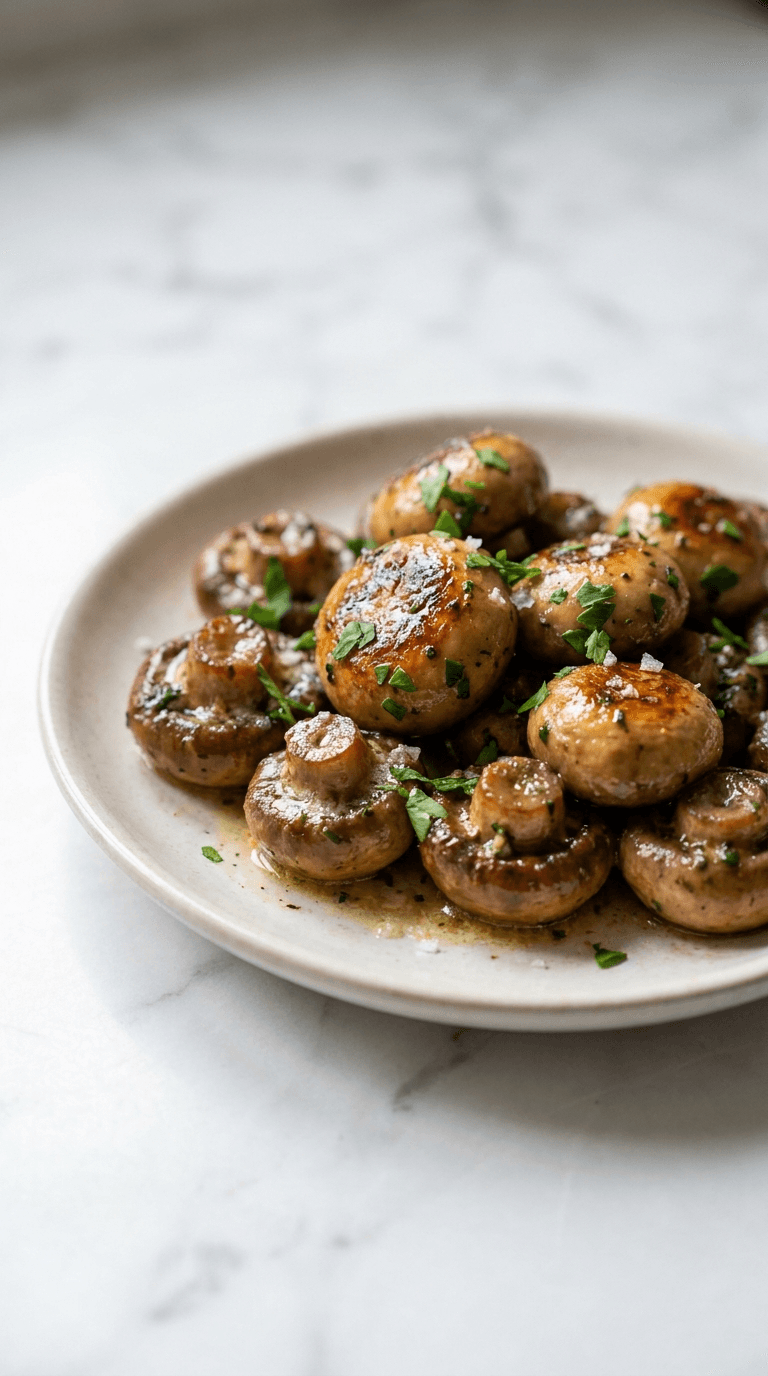
Best Low Carb Garlic Butter Mushrooms
Discover best low carb garlic butter mushrooms - tasty, keto-friendly side dish that's easy to make in minutes.
Dinner
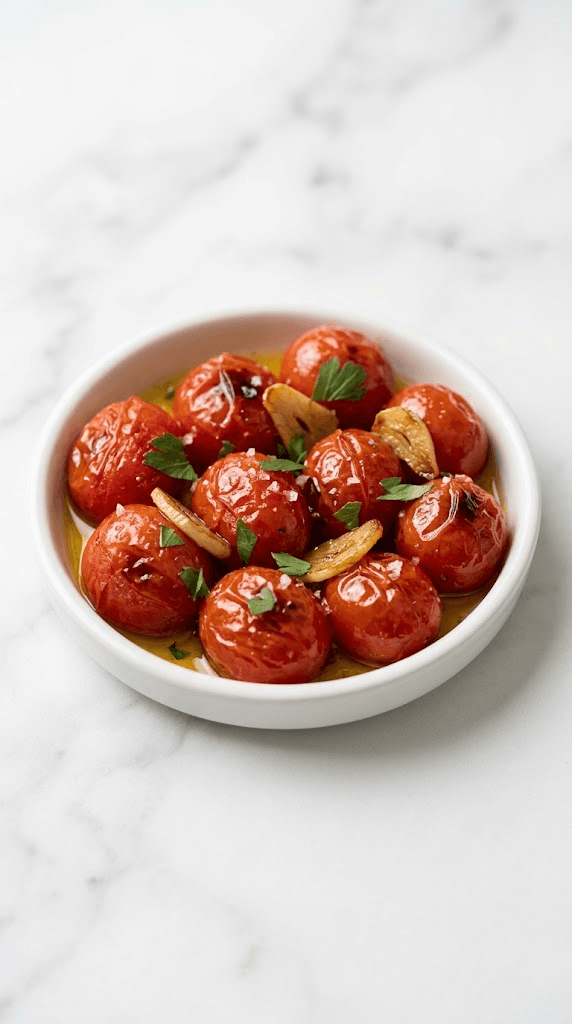
Best Low Carb Roasted Tomatoes with Garlic
Discover the best low carb roasted tomatoes with garlic for tender, flavorful sides and quick, healthy meals.
Dinner
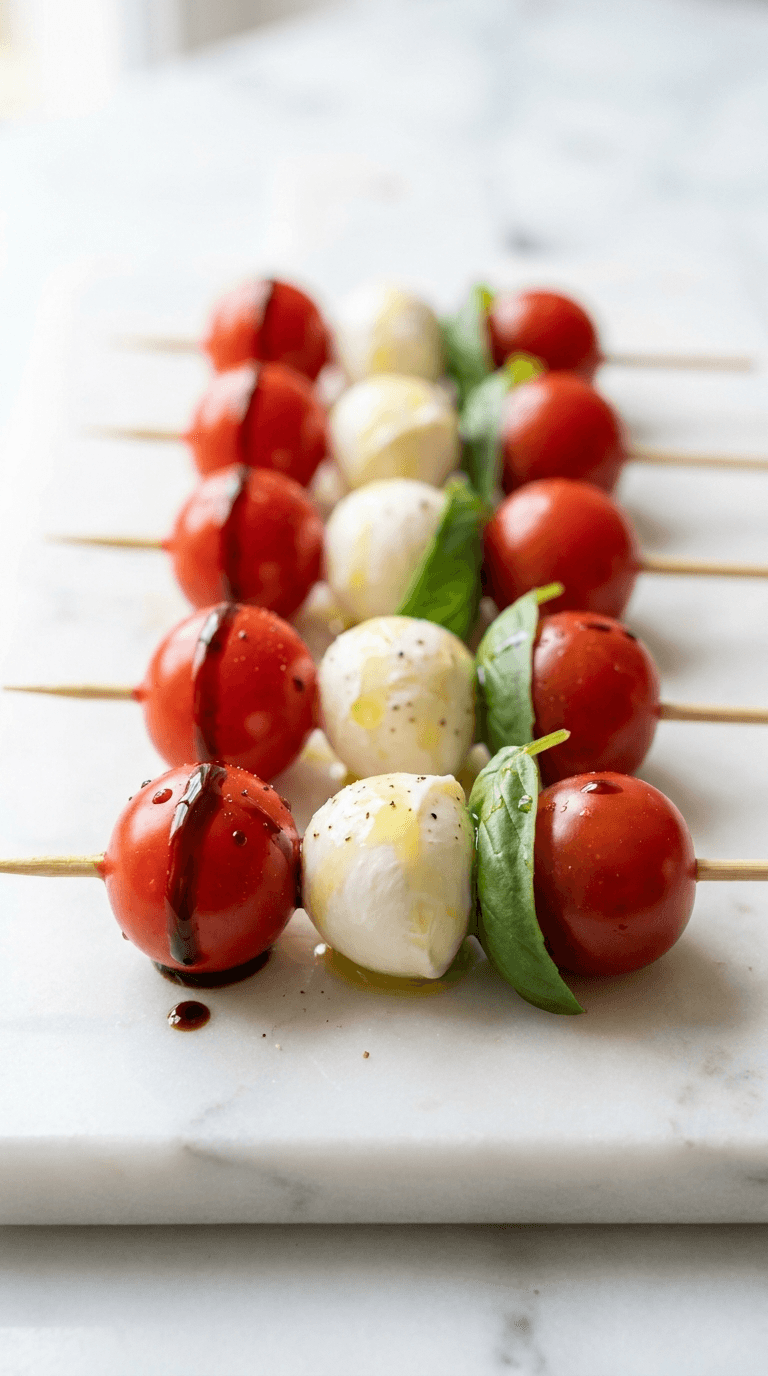
Caprese Skewers
caprese skewers: fresh mozzarella, tomatoes, and basil on a stick for easy, elegant bites. Learn more.
Dinner
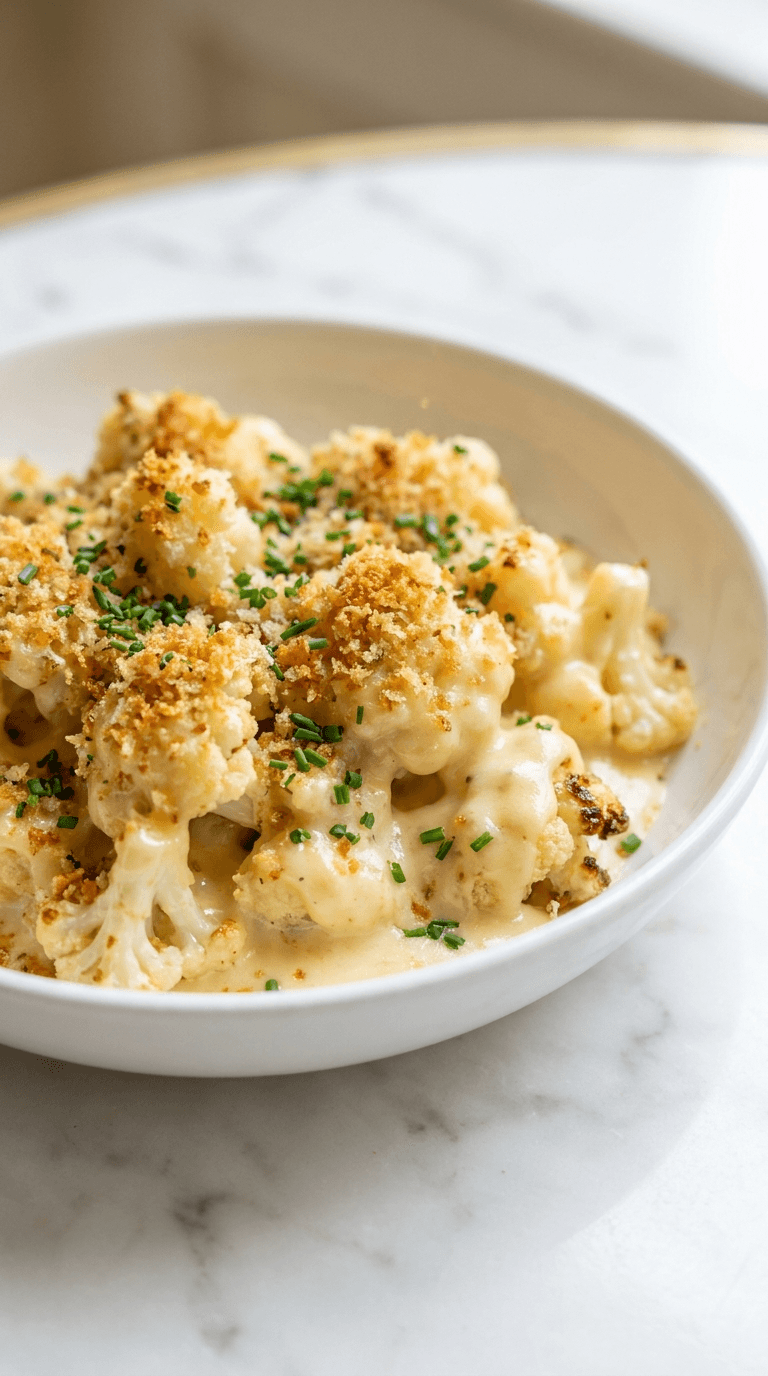
Cauliflower Mac and Cheese
Discover a creamy cauliflower mac and cheese that's comforting and lighter, with simple tips for a veggie-packed dinner.
Dinner
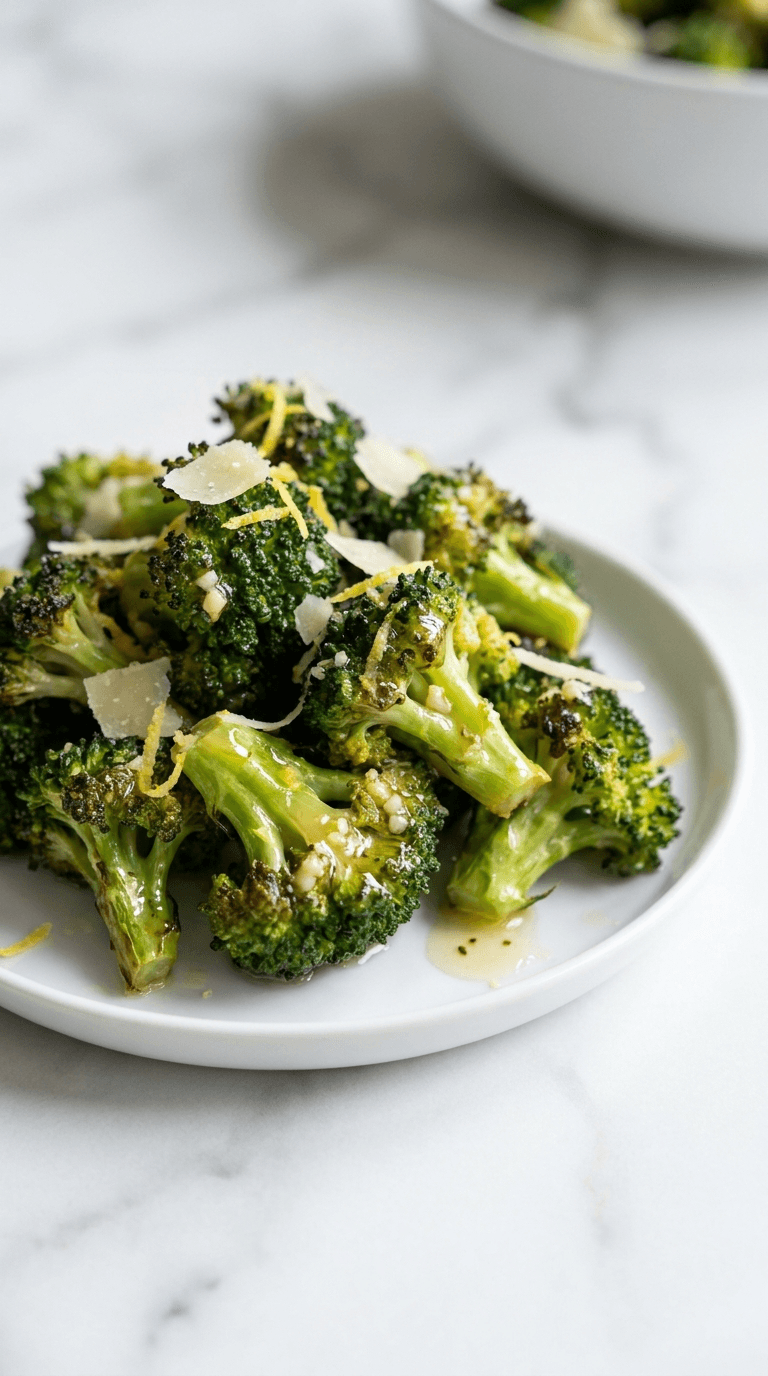
Diabetic Air Fryer Frozen Broccoli
Discover diabetic air fryer frozen broccoli that is crisp, convenient, and diabetes-friendly with minimal oil.
Dinner
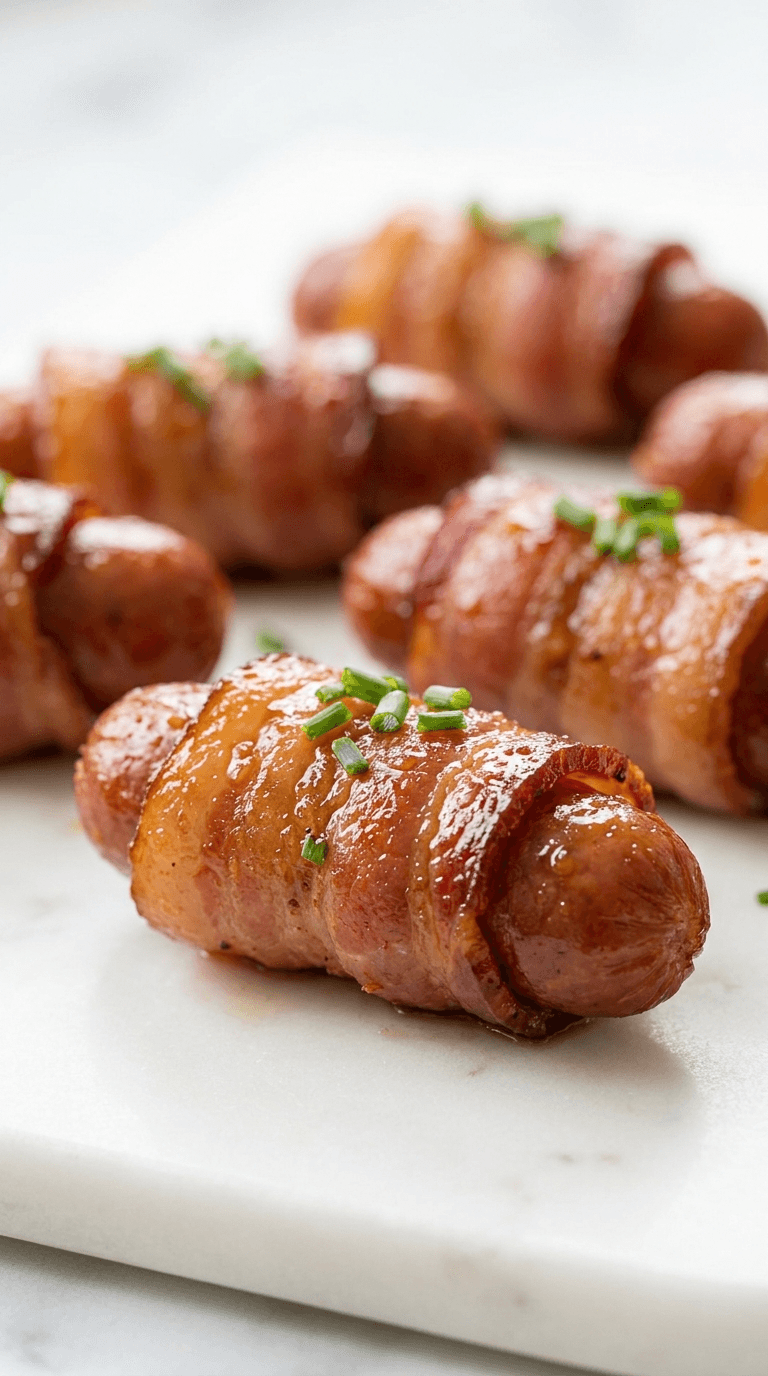
Diabetic Bacon Wrapped Smokies
Discover diabetic bacon wrapped smokies - delicious, low-carb bites that fit diabetic-friendly menus without sacrificing flavor.