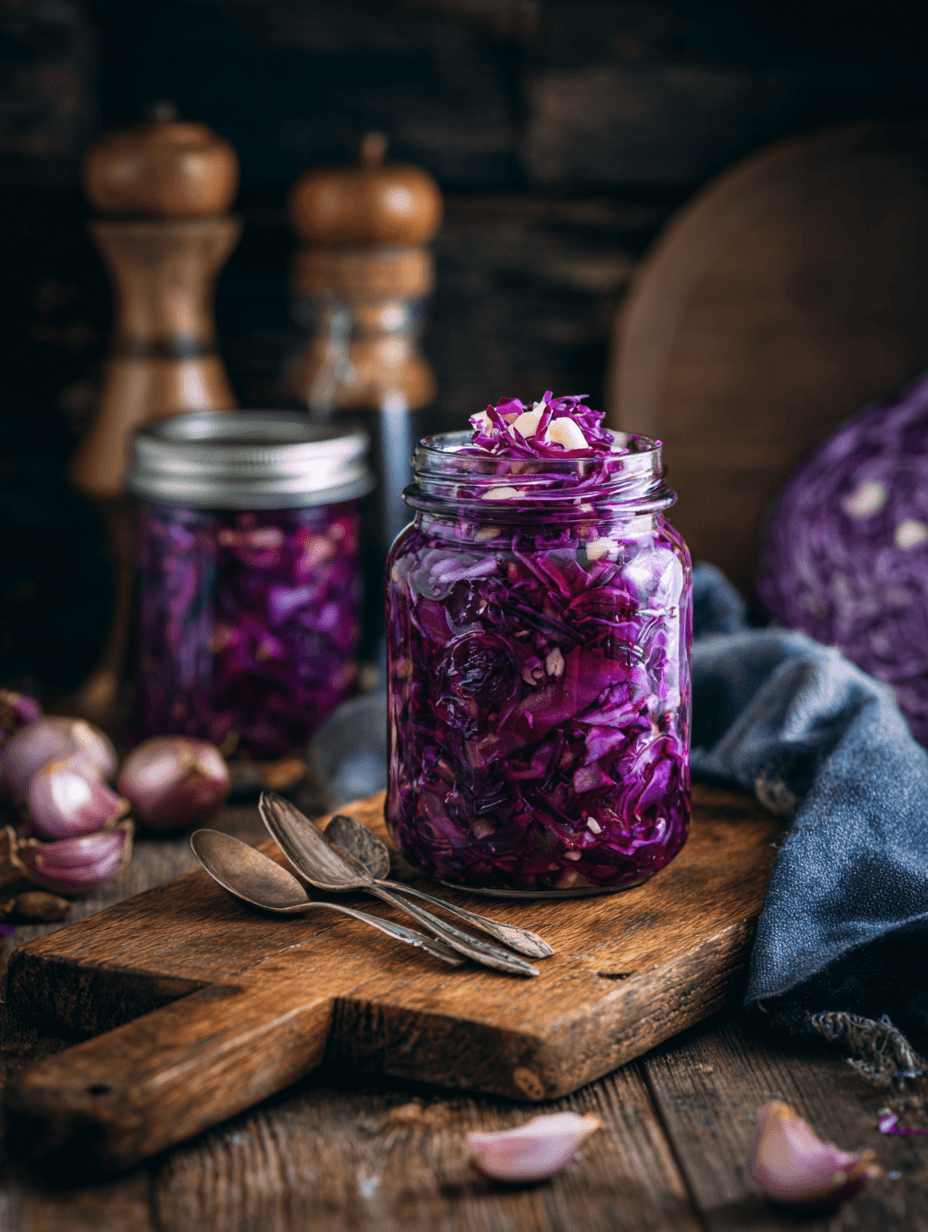
Red Cabbage Sauerkraut
If you love crunchy, tangy, beautiful food that also happens to be great for your gut, this Red Cabbage Sauerkraut is about to become your new favorite jar in the fridge.
What Is Red Cabbage Sauerkraut (And Why I’m Slightly Obsessed)?
Red cabbage sauerkraut is simply sauerkraut made with vibrant purple-red cabbage instead of the usual green. It’s a naturally fermented red cabbage recipe—no vinegar, no fancy starter—just cabbage, salt, and time. During fermentation, good bacteria (lactic acid bacteria) transform the cabbage into a probiotic-rich, slightly sour, crunchy condiment.
I started making homemade red cabbage sauerkraut a few years ago when my doctor gently suggested I “show my gut a little more love” as I rolled into my 50s. I’d grown up seeing my German-American grandma make traditional red cabbage sauerkraut in crocks in her basement, but I always assumed it was complicated or maybe even a little… funky.
Turns out? It’s incredibly simple, very forgiving, and honestly kind of magical to watch a jar of salted cabbage turn into the most gorgeous jewel-toned, crunchy red cabbage sauerkraut.
This version is:
- Naturally fermented (no vinegar)
- Vegan
- Low cost
- And full of live probiotics—what I like to call “friendly bugs for a happier belly.”
I love serving this red cabbage sauerkraut side dish with roasted potatoes, sheet-pan sausage, grain bowls, and even on avocado toast. In winter it adds brightness; in summer it tastes clean and refreshing straight out of the fridge.
Why You’ll Love This Red Cabbage Sauerkraut Recipe
- So good for gut health – This probiotic red cabbage sauerkraut is loaded with beneficial bacteria that support digestion and a healthy microbiome.
- Just 2 core ingredients – Cabbage and salt; everything else is optional. It’s a very easy red cabbage sauerkraut recipe, even for beginners.
- No vinegar, no canning – This is red cabbage sauerkraut without vinegar, just natural lacto fermentation on your countertop.
- Crunchy, not mushy – When you slice and pack it right, you get that satisfying, snappy raw red cabbage sauerkraut texture.
- Customizable salt level – You can make a traditional batch or experiment with low salt red cabbage sauerkraut (I’ll explain how).
- Budget-friendly staple – A single head of cabbage makes a big batch of red cabbage sauerkraut in jars that keeps for months in the fridge.
- Vegan and dairy-free – Naturally vegan red cabbage sauerkraut, perfect if you’re avoiding dairy but still want fermented foods.
- Gorgeous color – That deep purple turns almost fuchsia; it brightens up every plate and looks like something from a fancy restaurant.
- Hands-off fermentation – About 20 minutes of active work, then the microbes do the rest while you go live your life.
- Make it your own – Turn it into garlic-packed German red cabbage sauerkraut, spice it up with chili, or add apples and caraway like my grandma did.
Ingredients for Homemade Red Cabbage Sauerkraut
This purple cabbage sauerkraut recipe is intentionally simple. Once you’ve done a basic batch or two, you can play.
Base Ingredients
- 1 medium head red cabbage (about 2–2.5 pounds / 900–1,100 g), outer leaves removed
- Choose a heavy cabbage for its size—heaviness usually means tightly packed leaves and more juice.
- 1 ½ – 2 tablespoons fine sea salt (18–24 g; about 2–2.5% of cabbage weight)
- Non-iodized is best; iodized salt can sometimes interfere with fermentation and make the brine cloudy.
Optional Flavorings (Pick 1–4, or keep it plain)
- 1–2 cloves garlic, thinly sliced or minced – Adds a punchy, savory note reminiscent of German-style kraut.
- 1 teaspoon caraway seeds – Classic in traditional red cabbage sauerkraut; helps with digestion and adds a subtle, earthy flavor.
- 1 teaspoon black peppercorns – For a gentle, warm spice.
- ½ teaspoon mustard seeds – Adds mild heat and a slight pop.
- ½ small red onion, very thinly sliced – For a sweeter, more complex oniony flavor.
- 1 small apple, grated or cut into matchsticks – Lovely if you like a lightly sweet, harvest-season flair.
- ½–1 teaspoon red chili flakes – Great if you want a spicier, “kimchi-ish” fermented red cabbage sauerkraut.
Helpful Tools (Not mandatory, but they make life easier)
- Large mixing bowl (glass or stainless steel)
- Cutting board and sharp chef’s knife (or mandoline if you’re comfortable with it)
- Kitchen scale (optional, for precision salt percentage)
- 1 large 1-quart or 1-liter glass jar (Mason jar, Fido jar, or a fermentation jar)
- Small jar or fermentation weight (to keep the cabbage submerged)
- Clean kitchen towel or fermentation lid/airlock
If you’re just starting, don’t stress about special equipment. I made my first healthy red cabbage sauerkraut in an old spaghetti sauce jar with a smaller jar as a weight. It worked beautifully.
How to Make Red Cabbage Sauerkraut (Step-by-Step)
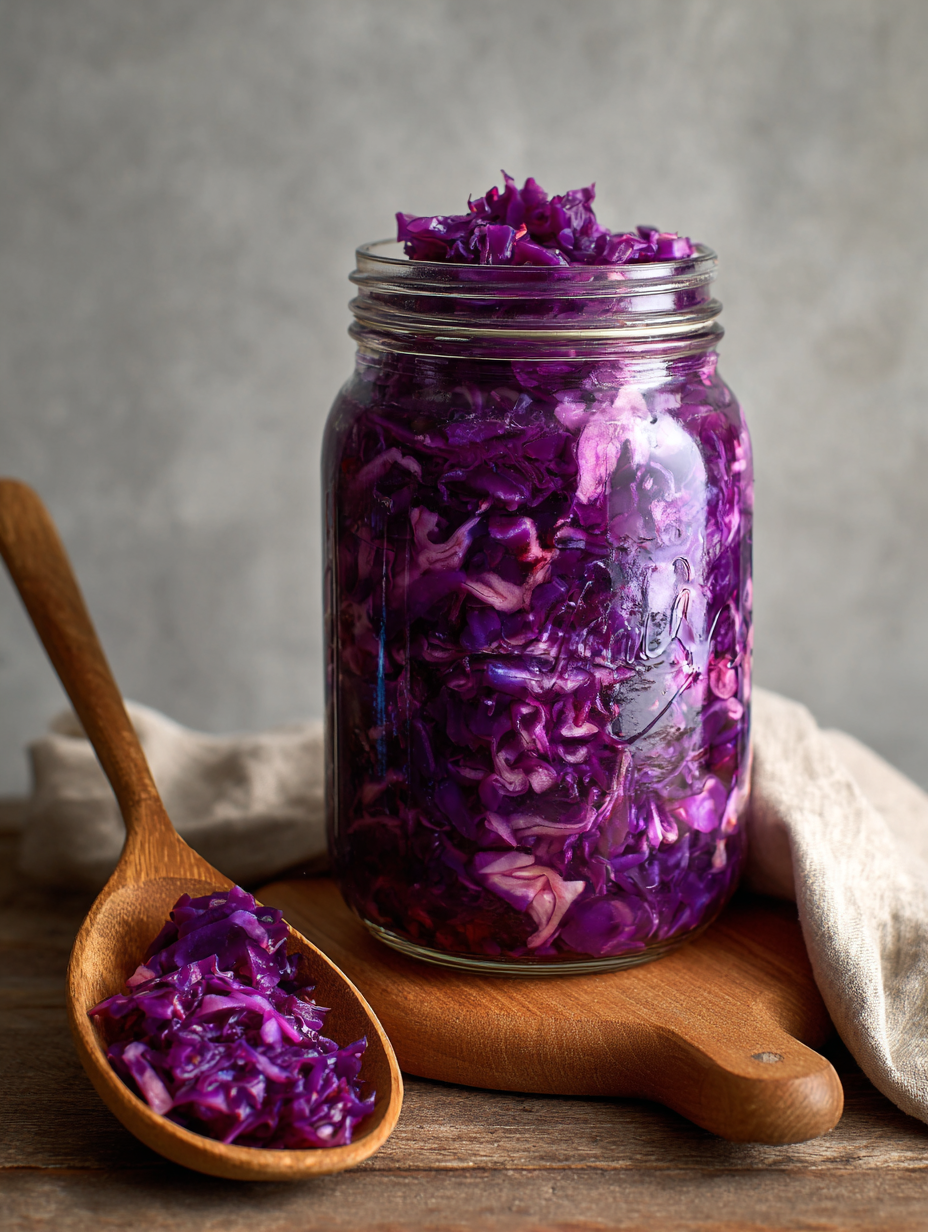
This is a classic lacto fermented red cabbage method. The salt draws out water from the cabbage, creates a natural brine, and the lactic acid bacteria take it from there.
1. Prep the cabbage
Remove the tough outer leaves of the cabbage (save one or two clean ones; we’ll use them later). Cut the cabbage into quarters, cut out the core, and then slice it as thinly as you comfortably can—about 1/8–1/4 inch shreds.
Tip: Thinner shreds make a softer, more “condiment-style” kraut. Thicker shreds give a very crunchy red cabbage sauerkraut. I like somewhere in the middle.
2. Weigh and salt
If you’re using a scale, weigh your shredded cabbage. Multiply that number by 0.02—this gives you 2% salt by weight, which is a good middle-of-the-road range for naturally fermented red cabbage.
For example:
- 1,000 g cabbage × 0.02 = 20 g salt (about 1 tablespoon + 1 teaspoon fine sea salt)
If you’re not weighing:
- Use 1 ½ tablespoons for a mild low salt red cabbage sauerkraut
- Use closer to 2 tablespoons for a firmer, more traditional brine
Sprinkle the salt over the cabbage in your large bowl.
3. Massage until juicy
With clean hands, start gently massaging and squeezing the cabbage. Within 5–10 minutes, you should notice it softening and releasing liquid.
You’re aiming for a bowl where:
- The cabbage is soft and flexible
- There’s a visible puddle of brine at the bottom
If your cabbage seems very dry after about 10–12 minutes:
- Let it rest 10 minutes, then come back and work it again
- If it’s still dry, add 1–2 teaspoons more salt, massage a little more, and wait another 5 minutes
This “massage and rest” rhythm keeps it from feeling like an arm workout. Put on some music—I’ve kneaded cabbage to everything from Motown to 80s rock.
4. Add flavorings
Once you’ve got a nice juicy pile of cabbage, sprinkle in any of your optional add-ins: garlic, caraway, onion, apple, etc. Toss gently to distribute them evenly.
For a German red cabbage sauerkraut vibe, I like:
- Garlic + caraway
- A touch of mustard seed
For a more modern, punchy flavor, I’ll do:
- Garlic
- Chili flakes
- Black peppercorns
5. Pack into the jar
Grab your clean jar and start packing handfuls of the salted cabbage inside. Press down firmly with your fist, a wooden spoon, or a kraut pounder if you have one. The goal is to push out air pockets and bring the brine up.
As you pack:
- You should see brine rising above the cabbage
- Keep pressing and packing until the cabbage is about 2–3 inches from the top of the jar
Pour any extra brine from the bowl into the jar.
If the brine doesn’t cover the cabbage by at least ½ inch after firm packing, don’t panic:
- Let the jar sit on the counter 20–30 minutes and check again; the cabbage often releases more liquid
- If it’s still low, top off with a little 2% salt water (½ teaspoon fine salt in ½ cup filtered water)
6. Use a cabbage “cap” and weight
Take one of those reserved outer cabbage leaves and fold or cut it so it fits just inside the jar, covering the shredded cabbage like a lid. This helps keep small shreds from floating.
Place a small clean jar, fermentation weight, or even a clean stone (truly!) on top of that leaf to keep everything pushed below the brine.
Remember: “Under the brine, doing fine.” Anything poking up above the liquid can mold.
7. Cover and ferment at room temperature
Cover the jar with:
- A fermentation lid
- Or a regular lid loosely screwed on
- Or a clean cloth secured with a rubber band
Set the jar on a plate or small tray (it can bubble over) and place it in a cool, dark-ish spot—like a pantry shelf or a countertop away from direct sun.
Ideal temperature for fermented red cabbage sauerkraut:
- 65°F–72°F (18°C–22°C) is perfect
- A little warmer? It will ferment faster.
- A little cooler? It will just be slower.
8. Burp, check, and taste
For the first few days:
- Open the jar once a day if you’re using a regular lid to let gas escape (“burping” the jar)
- Check that the cabbage is still submerged; press down on the weight if needed
Fermentation timeline (rough guide):
- Day 2–3: You’ll see some bubbles and smell a mild sour, yeasty aroma
- Day 5–7: It will start to taste lightly tart, still a bit salty
- Day 10–14: Fuller flavor, more complex sourness, softer but still crunchy
You can start tasting from day 5. When it’s pleasantly tangy, slightly salty, and has the crunch you like, it’s ready.
The beauty of raw red cabbage sauerkraut is that there’s no single “right” day—there’s just “right for you.”
9. Move to the fridge
Once the flavor is where you want it, remove the weight and cabbage leaf “lid,” seal the jar with a regular lid, and move it to the refrigerator.
Cold slows fermentation dramatically, and your red cabbage sauerkraut in jars will stay fresh and stable for several months, often 6+ months, if kept cold and submerged.
Servings & Timing
- Yield: About 1 quart (4 cups) of red cabbage sauerkraut
- Prep Time: 20–30 minutes (slicing, salting, packing)
- Fermentation Time: 7–21 days at room temperature, depending on temperature and your taste
- Total Time: About 20 minutes active, plus 1–3 weeks passive fermentation
I know that looks long on paper, but once it’s on the shelf doing its thing, you barely have to think about it.
Variations: Make It Your Own
Once you’ve nailed a basic easy red cabbage sauerkraut, have some fun:
- Apple & Caraway Autumn Kraut – Add 1 small grated apple and 1 teaspoon caraway for a cozy, slightly sweet traditional red cabbage sauerkraut twist.
- Garlic & Pepper “Bold” Kraut – Use 3–4 garlic cloves and 1 teaspoon black peppercorns for a punchy, savory vegan red cabbage sauerkraut that loves grilled sausages and veggie burgers.
- Spicy Chili Kraut – Stir in 1 teaspoon red pepper flakes or a sliced fresh chili for a fiery fermented red cabbage sauerkraut that’s great on tacos and grain bowls.
- Low Salt Red Cabbage Sauerkraut – Use closer to 1 ½ tablespoons salt per 2–2.5 pounds cabbage and keep it in the fridge sooner (around day 7–10) for milder flavor and gentler saltiness.
- Cumin & Coriander “Taco” Kraut – Add ½ teaspoon each cumin and coriander for a fun, cross-cultural twist that pairs beautifully with beans and roasted sweet potatoes.
- Onion & Mustard Seed Deli-Style – Thinly slice ½ small red onion and add 1 teaspoon mustard seeds for kraut that tastes incredible piled on sandwiches.
Storage & Serving Tips
Fridge Storage
- Once fermented, keep your red cabbage sauerkraut in jars in the refrigerator with the lid on.
- As long as the kraut stays under the brine, it easily lasts 3–6 months, often longer.
- Use a clean fork or tongs each time you scoop some out; no double-dipping from your dinner plate—this keeps the brine clear and the kraut fresh.
Freezing (If You Must)
You can freeze sauerkraut, but it will:
- Soften significantly
- Lose many of its live probiotics
If you only care about flavor, freezing in small portions is okay. If you’re in it for the red cabbage sauerkraut health benefits, I recommend refrigerating, not freezing.
Reheating or Serving Warm
Heat can kill some of the beneficial bacteria. That doesn’t make it unhealthy—it just makes it less of a probiotic powerhouse.
- For maximum red cabbage sauerkraut for gut health, serve it raw and cold or at room temperature.
- If you want it warm with sausages or potatoes, add it at the very end of cooking and just heat gently, or serve it on the side.
Make-Ahead Tips
Red cabbage sauerkraut is basically the definition of make-ahead:
- Make a big batch once a month
- Keep it in the fridge
- Add a forkful to your meals whenever you remember
You can even stagger jars—start a new jar when your current one is halfway full so you never run out.
Notes from My Kitchen (A 50-Year-Old Gut’s Perspective)
- Don’t fear the bubbles. A little fizz and some brine overflow in the first days are signs of active fermentation; it’s like the kraut is “breathing.”
- Color shifts are normal. The purple often gets deeper and more uniform; the brine may look almost neon pink—that’s the anthocyanins from the cabbage, and it’s completely normal.
- Surface yeast vs. mold. A thin, white, harmless film (often called kahm yeast) can show up on the very top if anything is exposed to air. Skim it off; the kraut underneath is usually fine. Fuzzy, colorful mold (blue, black, or green) is different—when in doubt, toss and start over.
- Start small if you’re new to ferments. If your body isn’t used to probiotic foods, try 1–2 tablespoons per day and see how you feel before loading up your plate.
- Pair it with fat and protein. I notice I feel best when I enjoy this healthy red cabbage sauerkraut with a real meal—eggs, salmon, beans, or meat—rather than just eating it alone.
- Kids & “picky eaters.” I’ve had more luck with little ones when I serve it in tiny amounts, almost like a colorful garnish, and let them “sprinkle pink crunchy cabbage” onto their tacos or hot dogs.
FAQs about Red Cabbage Sauerkraut
1. Is red cabbage sauerkraut as healthy as regular sauerkraut?
Yes—both are rich in probiotics, but red cabbage sauerkraut health benefits may be even higher in antioxidants thanks to the purple pigments (anthocyanins).
2. How salty should my sauerkraut taste?
Early on, it will taste noticeably salty. As it ferments, the sourness balances it. By the time it’s done, it should taste pleasantly salty-tangy, not harsh.
3. My sauerkraut smells strong—did it go bad?
Fermented foods are naturally aromatic—tangy, slightly funky, maybe a little garlicky if you added garlic. If it smells rotten, like sulfur, or genuinely makes you recoil, trust your nose and compost it.
4. Can I use table salt instead of sea salt?
If it’s non-iodized table salt, yes—just measure by weight if possible. Iodized salt can work, but it sometimes makes the brine cloudy and can affect texture.
5. How much red cabbage sauerkraut should I eat for gut health?
Most people do well with 1–4 tablespoons per day. Start with a small amount and see how your digestion responds—especially if you’re new to fermented foods.
6. Why did my sauerkraut get soft?
Too warm a room, very long fermentation, or lower salt can soften the texture. It’s still safe if it smells and tastes okay, but for crunchy red cabbage sauerkraut, keep your room cooler and aim for 2% salt.
7. Can I add other veggies to this recipe?
Absolutely—shredded carrots, thin-sliced radish, or a little beet are lovely. Just keep the total weight the same and adjust the salt accordingly.
8. Is this recipe safe without vinegar?
Yes. This is a red cabbage sauerkraut without vinegar, but the natural lactic acid created during fermentation makes the environment too acidic for most harmful bacteria, as long as you use enough salt and keep everything under the brine.
How to Enjoy Your Red Cabbage Sauerkraut
Let me slip in a few serving ideas, because once you have this jar in your fridge, it’s fun to experiment:
- Spoon on top of avocado toast with a drizzle of olive oil.
- Add to grain bowls with quinoa, chickpeas, roasted veggies, and tahini.
- Serve alongside bratwurst, vegan sausages, or grilled tofu.
- Tuck into fish tacos instead of regular slaw.
- Stir a little into a simple green salad as a salty, tangy “cheat” dressing component.
- Add to a snack plate with hummus, olives, and crackers—probiotic meets charcuterie.
Conclusion: A Simple Jar with Big Benefits
This red cabbage sauerkraut may only ask for cabbage, salt, and a bit of patience, but you’re rewarded with a gorgeous, crunchy, probiotic-rich staple that supports gut health, brightens your meals, and costs just a few dollars a batch. It’s an easy, everyday way to care for your body that happens to taste fantastic on just about everything.
If you make this homemade red cabbage sauerkraut, I’d truly love to hear how it turns out—tell me your favorite variation, or what you paired it with. And if you’re on a fermentation kick, try branching out to other naturally fermented veggies next; once you start, that little row of colorful jars in the fridge becomes very hard to give up.
Read next
Salads Sides
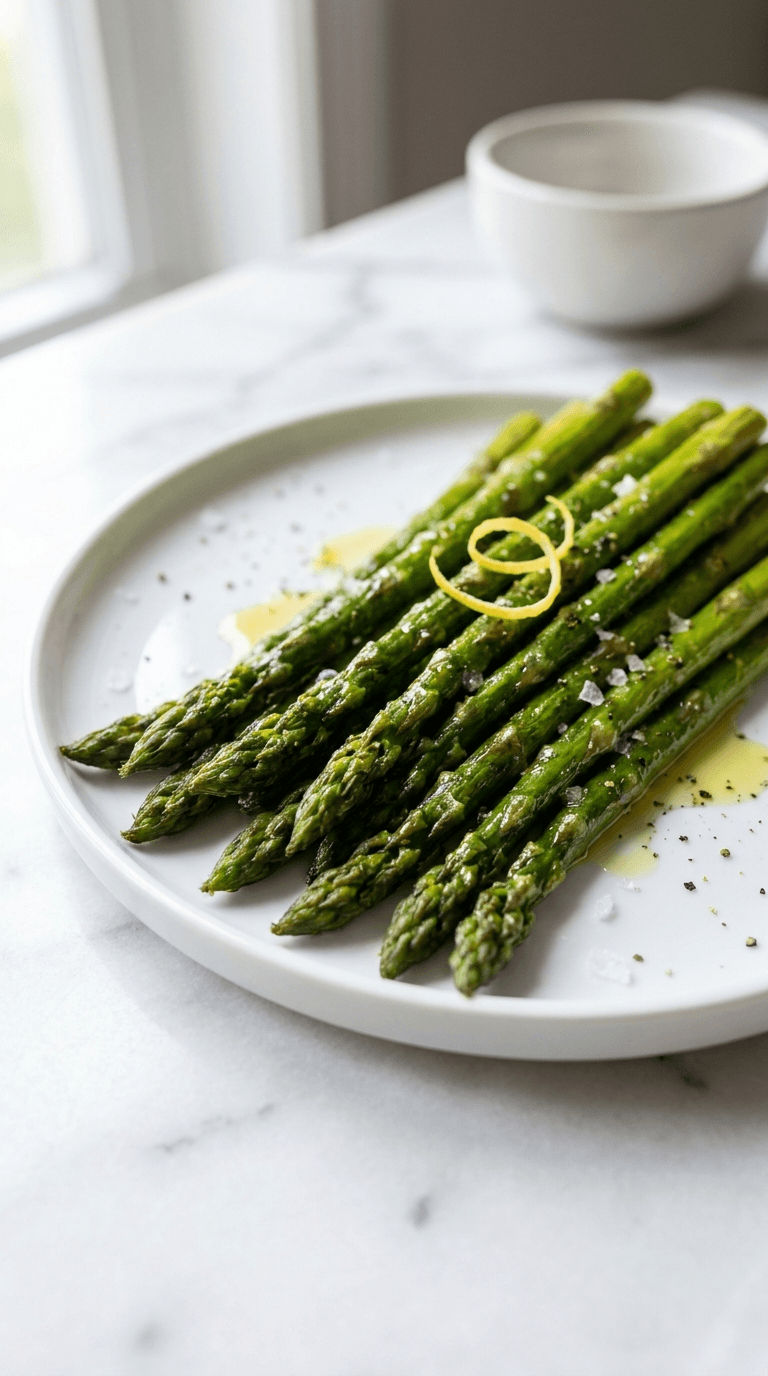
Best Low Carb Air Fryer Asparagus
Discover the best low carb air fryer asparagus, crisp, tasty, and quick for easy keto meals.
Salads Sides
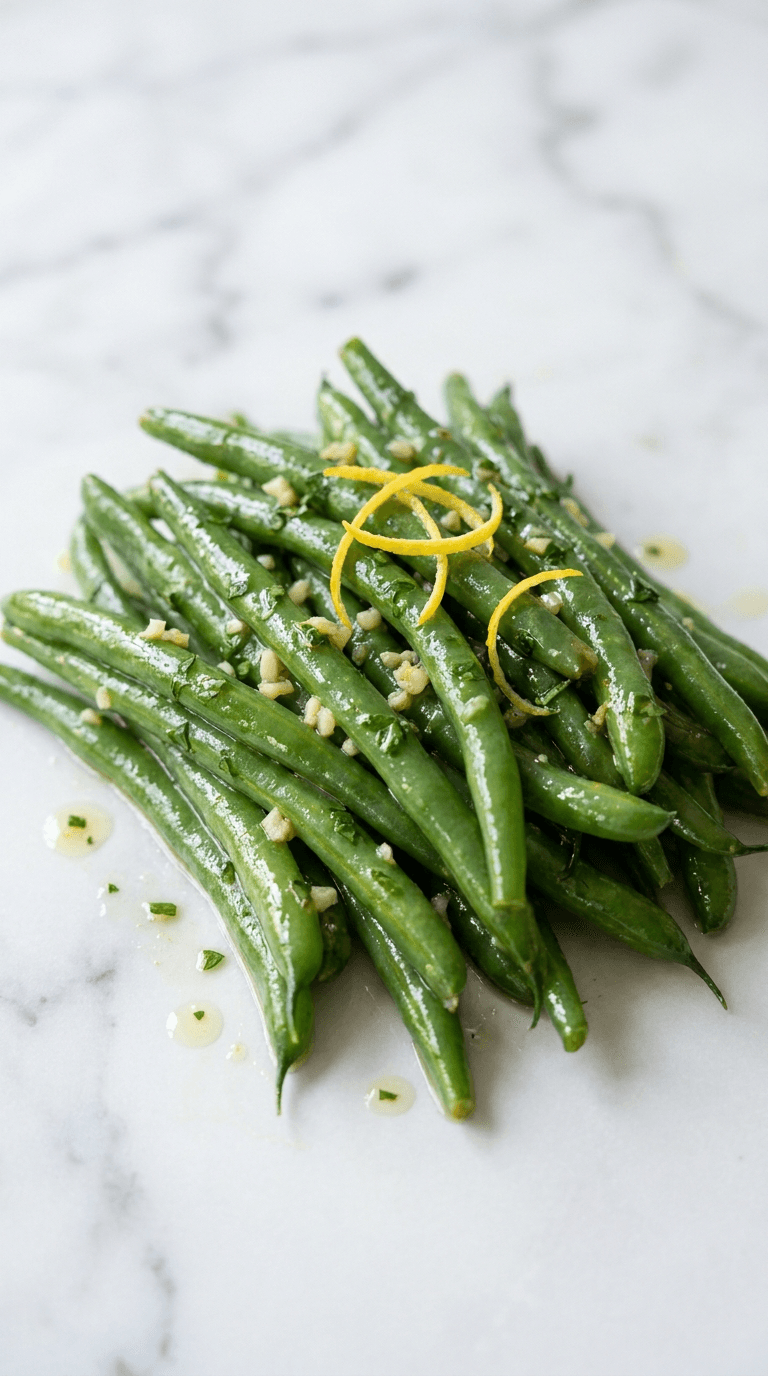
Low-Carb Lemon Garlic Green Beans
Discover low carb lemon garlic green beans—tender, bright, and easy to prepare for a quick weeknight side.
Salads Sides
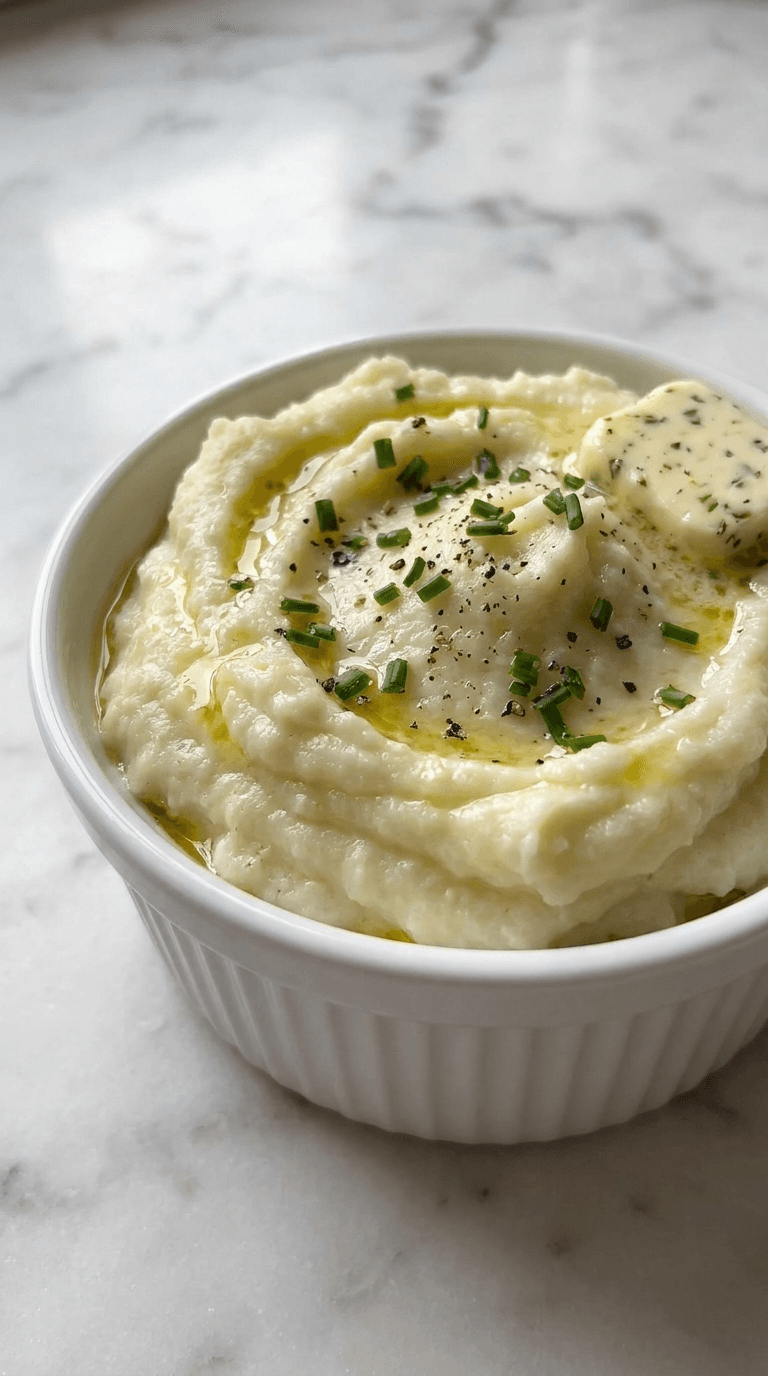
Mashed Cauliflower
Discover mashed cauliflower as a light, creamy side that is low-carb and tasty - easy to make.
Salads Sides
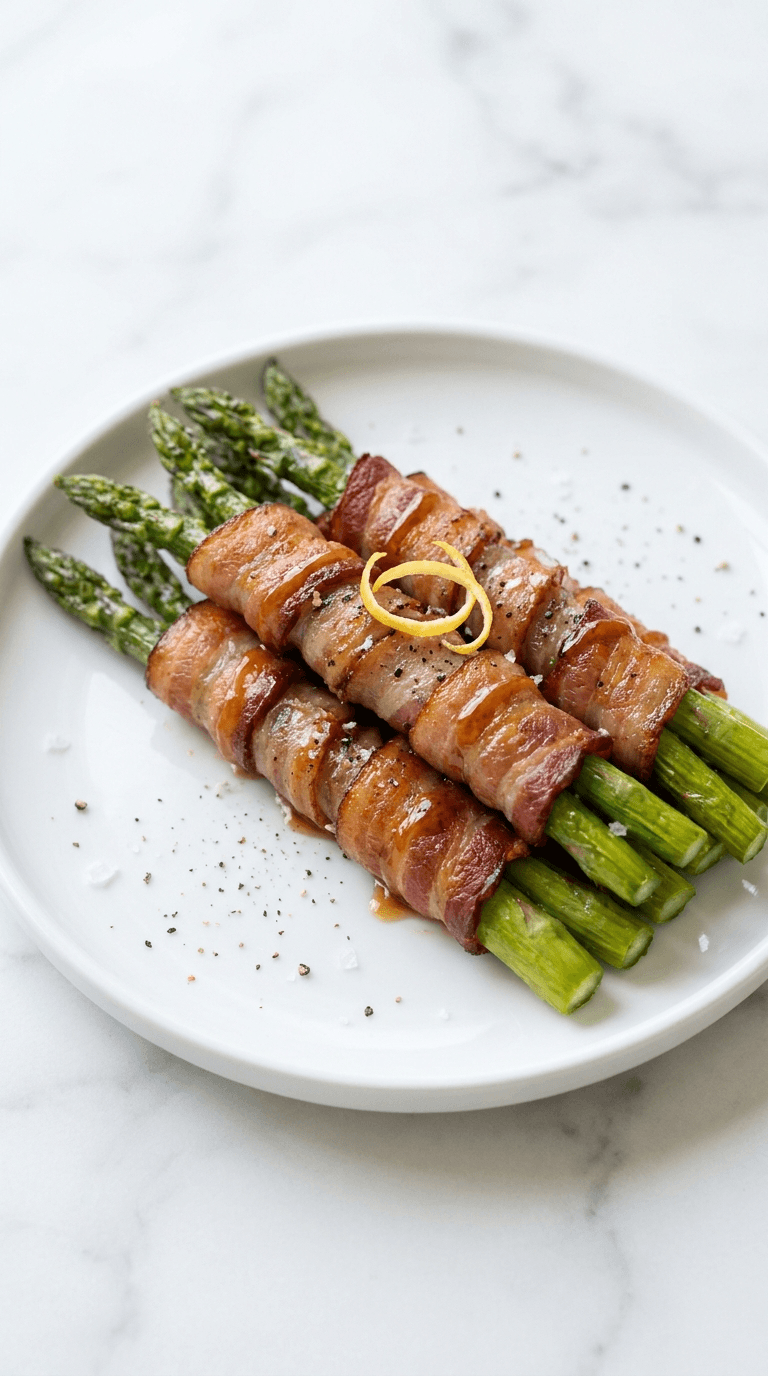
No Carb Bacon Wrapped Asparagus
Discover no carb bacon wrapped asparagus, crisp keto-friendly bites that are easy to make and full of flavor.

Salads Sides
No Carb Bacon Wrapped Asparagus Bites
Discover no carb bacon wrapped asparagus, crisp, savory bites that cut carbs.

Salads Sides
30 Minute Low Carb Antipasto Salad
Discover a tasty 30 minute low carb antipasto salad for quick, healthy weeknights.