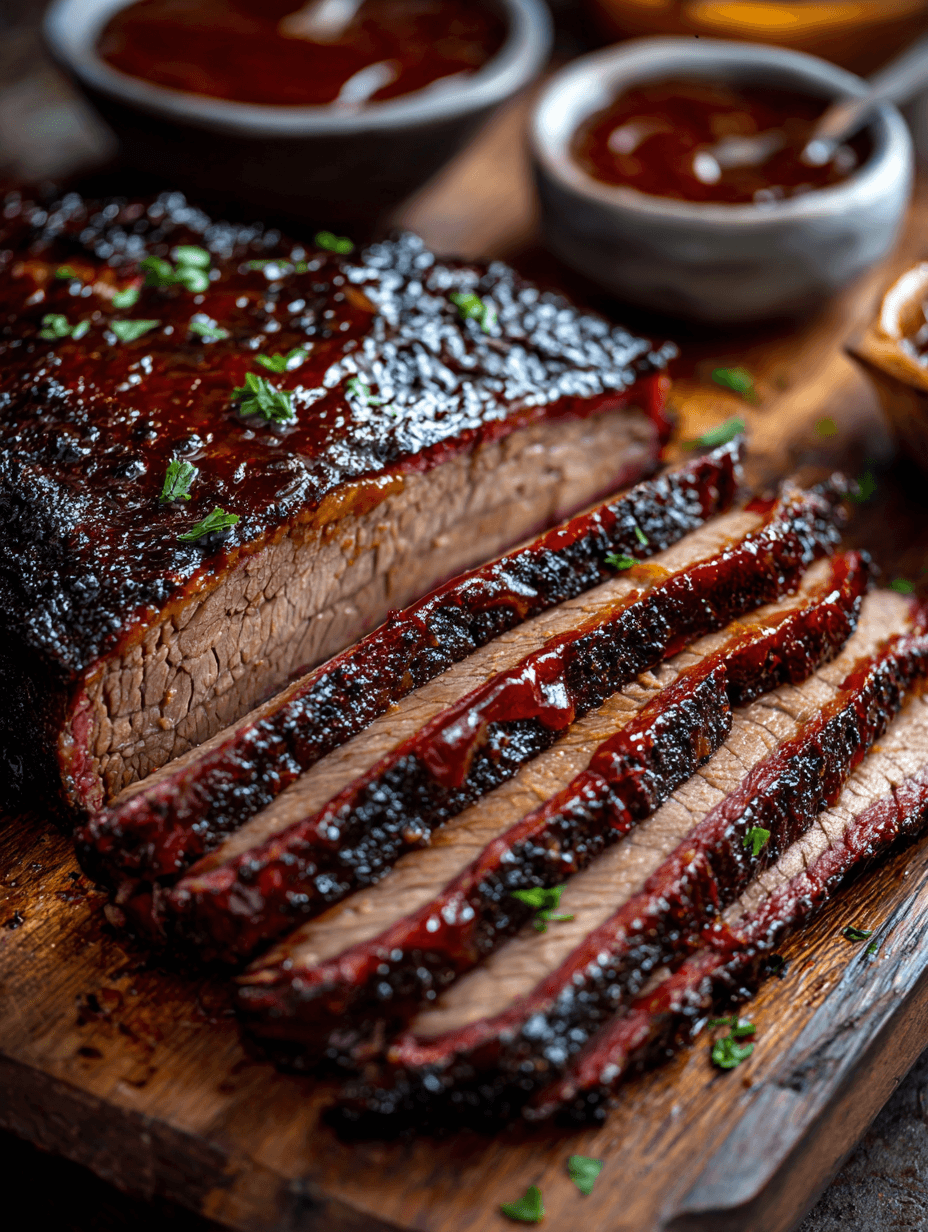
Smoked Brisket Recipe
If you’ve been looking for a smoked brisket recipe that delivers deep bark, juicy slices, and that classic low-and-slow Texas-style flavor, you’re in the right place. This one is hearty, foolproof with a little patience, and absolutely worthy of your next backyard barbecue.
A Brisket Worth Waiting For
There’s something almost magical about a properly cooked smoked beef brisket. It starts out as a big, tough cut, and after hours in the smoker, it turns into tender, smoky, sliceable perfection. That’s the beauty of a true low and slow brisket. Time does the heavy lifting.
I’ve been making brisket for family weekends, holiday cookouts, and those Sunday afternoons when everybody somehow “just happens” to stop by around dinnertime. And honestly, I don’t blame them. A good bbq brisket recipe fills the yard with that wonderful wood smoke aroma and turns an ordinary day into an event.
This recipe leans toward a Texas smoked brisket style—simple seasoning, lots of smoke, and a strong focus on technique. No sugary sauce bath, no fussy extras. Just a solid dry rub for brisket, thoughtful trimming, steady temperature control, and enough rest time to let that meat settle into itself. If you’re cooking on a pellet grill, offset smoker, or even trying your first beginner brisket recipe, this method works beautifully.
And while brisket isn’t exactly “light eating,” it is a satisfying, protein-rich main dish that feeds a crowd well. It’s also a smart choice for entertaining because one smoked whole packer brisket can stretch into dinner, sandwiches, tacos, and hash the next morning. That’s what I call a good weekend plan.
Why You’ll Love This Recipe
- Big, bold smoky flavor with a classic texas style brisket finish
- Simple seasoning lets the beef shine
- Works for pellet smoker brisket or offset smoker brisket cooking
- Makes gorgeous slices from the flat and rich burnt-end-style bites from the point
- Ideal for parties, holidays, and weekend bbq brisket gatherings
- Beginner-friendly with clear temperature cues
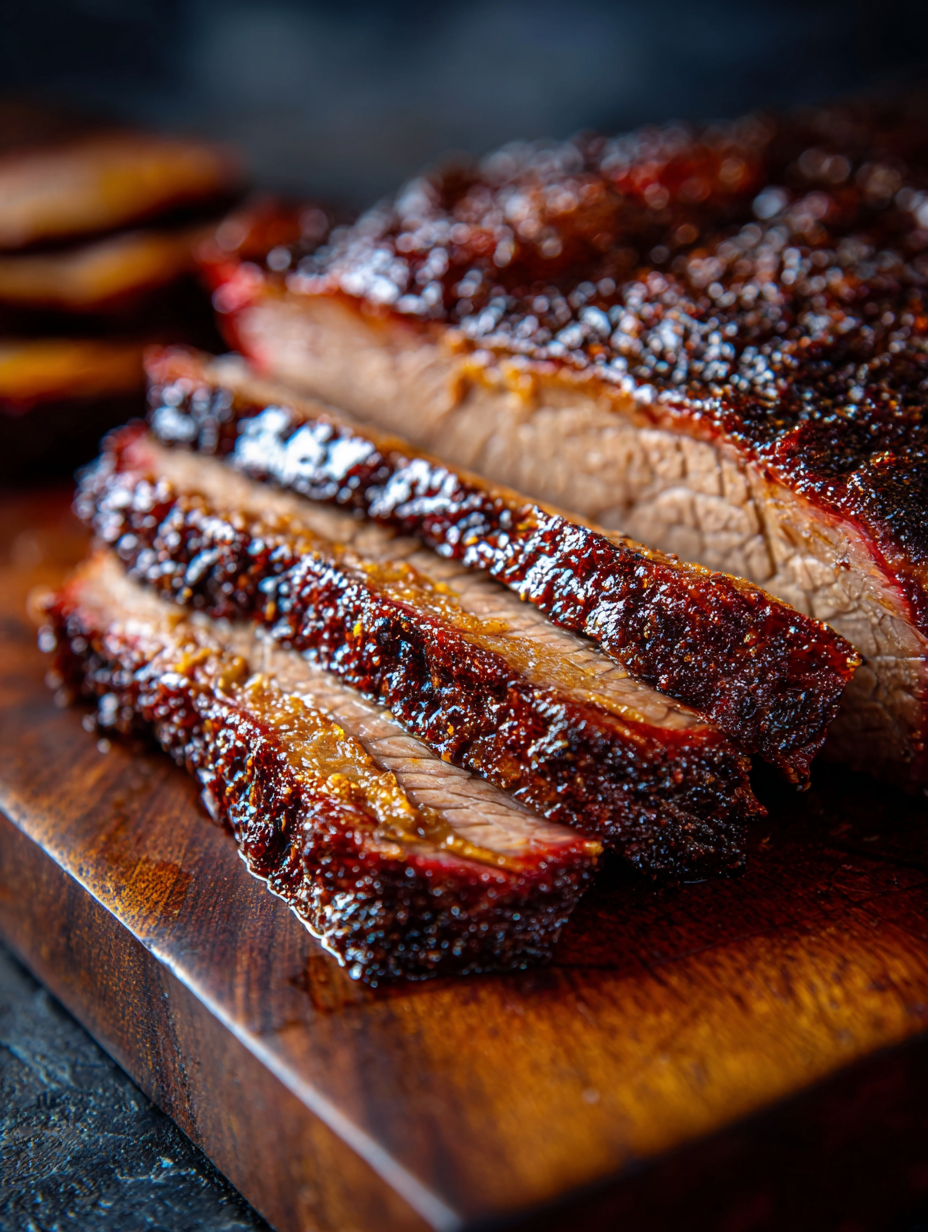
- Builds a dark, flavorful smoked brisket bark
- Great make-ahead main dish for stress-free hosting
- Leftovers reheat surprisingly well
- Gives you that true tender smoked brisket texture everyone talks about
Ingredients
For one 12 to 14 pound whole packer brisket:
- 1 whole packer brisket, 12–14 pounds, untrimmed
- 3 tablespoons kosher salt
- 3 tablespoons coarse black pepper, 16-mesh if possible for classic bark
- 1 tablespoon garlic powder
- 1 tablespoon onion powder
- 2 teaspoons smoked paprika
- 1 teaspoon mustard powder (optional, but lovely for depth)
- 2 tablespoons yellow mustard or beef tallow, as a binder
- 1 cup beef broth or water, for spritzing as needed
- 2–4 chunks oak wood or mesquite wood, if using an offset or charcoal smoker
Optional for wrapping:
- Unwaxed butcher paper or heavy-duty foil
- 2–3 tablespoons rendered beef tallow
Ingredient Tips
- Whole packer brisket: Look for good marbling and flexible meat; when you pick it up, it should bend a bit in the package. That usually means a better final texture.
- Kosher salt: Diamond Crystal is a nice choice if you use it regularly; if using Morton kosher salt, use a little less because it’s saltier by volume.
- Black pepper: Coarse pepper creates that classic smoked brisket bark and gives a true texas smoked brisket look.
- Mustard binder: You won’t taste it much. It simply helps the rub cling better.
- Oak wood: My top choice for oak smoked brisket because it’s balanced and traditional.
- Mesquite wood: Great for mesquite smoked brisket, but use it with a light hand—it can get strong fast.
- Beef tallow: Especially handy when wrapping; it helps keep the brisket rich and moist.
Directions
Trim the brisket with purpose.
Take the brisket out of the refrigerator and place it on a large cutting board. Trim the thick fat cap down to about 1/4 inch. Remove any hard, waxy fat that won’t render well, especially between the flat and point. If one edge is very thin, square it off slightly so it doesn’t dry out. Don’t over-trim; a little fat is your friend.Mix the rub and season generously.
Combine the kosher salt, black pepper, garlic powder, onion powder, smoked paprika, and mustard powder. Lightly coat the brisket with yellow mustard or a thin film of beef tallow, then apply the rub all over every surface. Press it in gently. Let the brisket sit at room temperature for 30 to 45 minutes while the smoker heats.Preheat your smoker to 225°F to 250°F.
This is the sweet spot for slow smoked brisket. If you’re using a pellet grill, fill it with quality hardwood pellets—oak is excellent. For an offset smoker brisket, get your fire stable before the brisket goes on. Clean smoke matters. You want thin blue smoke, not thick white clouds.Place the brisket on the smoker fat side down or up, depending on heat source.
If your heat comes mostly from below, cook fat side down to shield the meat. If heat circulates more evenly, fat side up is fine. Place the brisket with the thicker point facing the hotter zone. Close the lid and let the smoke work its magic.Maintain steady heat and don’t fuss too much.
Smoke the brisket for about 4 to 6 hours, keeping the temperature between 225°F and 250°F. Spritz lightly with beef broth or water every 60 to 90 minutes after the bark begins to set, if the surface looks dry. Don’t spray too early, or you’ll wash off your seasoning.Watch for the stall.
Around 160°F to 170°F internal temperature, your brisket may hit the stall. That’s normal. The surface moisture evaporates and slows the cooking, like sweat cooling your skin on a July afternoon. Here’s the thing—don’t panic.Wrap when the bark looks right.
Once the bark is dark mahogany and doesn’t smear when you touch it, wrap the brisket tightly in butcher paper or foil. If you like a firmer bark, paper is the better choice. Add a little beef tallow before wrapping for extra richness. This is especially helpful for a juicy smoked brisket.Keep smoking until probe tender.
Return the wrapped brisket to the smoker and continue cooking until the thickest part of the flat reaches around 195°F to 205°F. Temperature is helpful, yes, but tenderness matters more. A probe or thermometer should slide in with very little resistance, almost like room-temperature butter.Rest it—really rest it.
Take the brisket off the smoker and let it rest, wrapped, for at least 1 hour. Two to 4 hours in a dry cooler or warm holding oven is even better. This step is not optional if you want tender smoked brisket and clean slices. Resting lets the juices settle back into the meat instead of flooding your cutting board.Slice against the grain and serve.
Separate the flat and point if needed. Slice the flat across the grain into pencil-thick slices. Turn the point before slicing, since the grain runs differently. Serve warm and admire your work for a moment—you earned it.
Servings & Timing
- Yield: 10 to 14 servings
- Prep Time: 30 minutes, plus 30 to 45 minutes for seasoning to adhere
- Smoke Time: 10 to 14 hours, depending on brisket size and smoker temperature
- Rest Time: 1 to 4 hours
- Total Time: About 12 to 18 hours from start to finish
For planning, a 12-pound brisket often takes around 12 to 14 hours total including resting, though every cut has its own personality. Brisket likes to humble us a little.
Variations
- Texas simple style: Use only kosher salt and coarse black pepper for a classic texas style brisket profile.
- Garlic-heavy bark: Increase garlic powder for a punchier exterior.
- Pellet grill version: For pellet smoker brisket, add a smoke tube if you want a stronger smoke flavor.
- Spicier rub: Add 1 to 2 teaspoons cayenne or chipotle powder for heat.
- Sweet-savory bark: Mix in 1 tablespoon brown sugar if you prefer a slightly caramelized finish.
- Competition-inspired brisket: Add a light brush of tallow during the wrap for a richer, more polished competition style brisket texture.
Storage & Reheating
Store leftover brisket in an airtight container in the refrigerator for up to 4 days. Keep slices with a bit of their juices or a spoonful of broth so they stay moist.
For longer storage, wrap portions tightly and freeze for up to 3 months. I like to freeze sliced brisket in meal-size packs. It makes weeknight dinners so much easier.
To reheat, place brisket slices in a baking dish with a splash of beef broth, cover tightly with foil, and warm at 300°F until heated through—usually 20 to 30 minutes depending on quantity. You can also reheat sealed portions gently in simmering water if they’re vacuum-packed.
Make-ahead tip: Smoke the brisket a day early, chill it whole or in large pieces, then reheat covered the next day. Honestly, brisket can be even easier to slice after it’s had a proper overnight rest.
Notes
A few personal lessons from many rounds of backyard brisket smoking:
- Don’t chase exact cooking times. Brisket is done when it’s tender, not when the clock says so.
- The flat cooks leaner than the point. If your brisket has a thin flat, be extra careful not to overcook it.
- If the bark gets dark early, that doesn’t always mean it’s burnt. Pepper and smoke create a deep crust naturally.
- Butcher paper keeps the bark better than foil, though foil can help if your brisket seems to be drying out.
- Oak is my favorite for wood smoked brisket because it gives a steady, classic barbecue flavor without overpowering the beef.
- For an overnight smoked brisket, start in the evening, wrap in the early morning, and hold it warm until lunch. It sounds like a long haul—and it is—but the timing works beautifully for family gatherings.
- If you’re cooking just a smoked brisket flat, reduce the cook time and watch closely; it finishes faster and dries out sooner than a whole packer.
- The point is richer and more forgiving. A smoked brisket point is a nice place for beginners to build confidence.
FAQs
What is the best temperature for a smoked brisket recipe?
225°F to 250°F is ideal for most smokers. That range gives you excellent bark development and helps the fat render slowly.
How long does it take to smoke a brisket?
Plan on roughly 1 to 1.25 hours per pound at 225°F, plus resting time. Still, every brisket cooks a little differently.
Should I wrap brisket or leave it unwrapped?
Wrapping helps push through the stall and protects moisture. If you want a firmer bark, use butcher paper; if you want maximum moisture retention, foil works well.
What wood is best for smoked brisket?
Oak is the traditional favorite for oak smoked brisket, while mesquite gives a stronger Texas flavor. Hickory also works, though it can be a bit bolder.
Why is my brisket tough even after smoking?
Most often, it simply needs more time. Tough brisket usually means the connective tissue hasn’t fully broken down yet.
How do I keep brisket juicy?
Trim wisely, avoid overcooking the flat, wrap at the right point, and let it rest properly. That combination makes a big difference for a juicy smoked brisket.
Can I make this easy smoked brisket recipe on a pellet grill?
Absolutely. A pellet grill is one of the easiest ways to make easy smoked brisket with stable temperature control.
What’s the difference between the brisket flat and point?
The flat is leaner and slices neatly, while the point has more fat and richer flavor. A whole packer includes both, which is why a smoked whole packer brisket gives you the best of both worlds.
Serving Ideas That Make Dinner Feel Special
Brisket is the star, but the supporting cast matters too. I love serving it with baked beans, potato salad, pickles, white bread, and a simple slaw. If I’m making a holiday brisket recipe, I might add mac and cheese or roasted green beans to round things out.
Leftovers are half the fun. Tuck sliced brisket into sandwiches with onions and pickles, fold it into breakfast tacos, or pile it over baked potatoes. If you’re planning a smoked brisket dinner for a crowd, figure about 1/2 pound per person before trimming for hearty eaters, or a little less if you’ve got plenty of side dishes.
And if you enjoy recipes like this, it’s worth bookmarking a few barbecue basics too—homemade rubs, smoked baked beans, and a good vinegar slaw all pair beautifully with brisket.
Conclusion
This smoked brisket recipe is everything a proper barbecue centerpiece should be—deeply smoky, beautifully barked, and richly satisfying. With a little patience and a good rest, you’ll end up with the best smoked brisket for family dinners, special weekends, and backyard celebrations.
If you give this recipe a try, I’d love to hear how it turned out for you. Leave a comment, share your smoker setup, and tell me whether you went with oak, mesquite, or your own family favorite.
Read next
Dinner
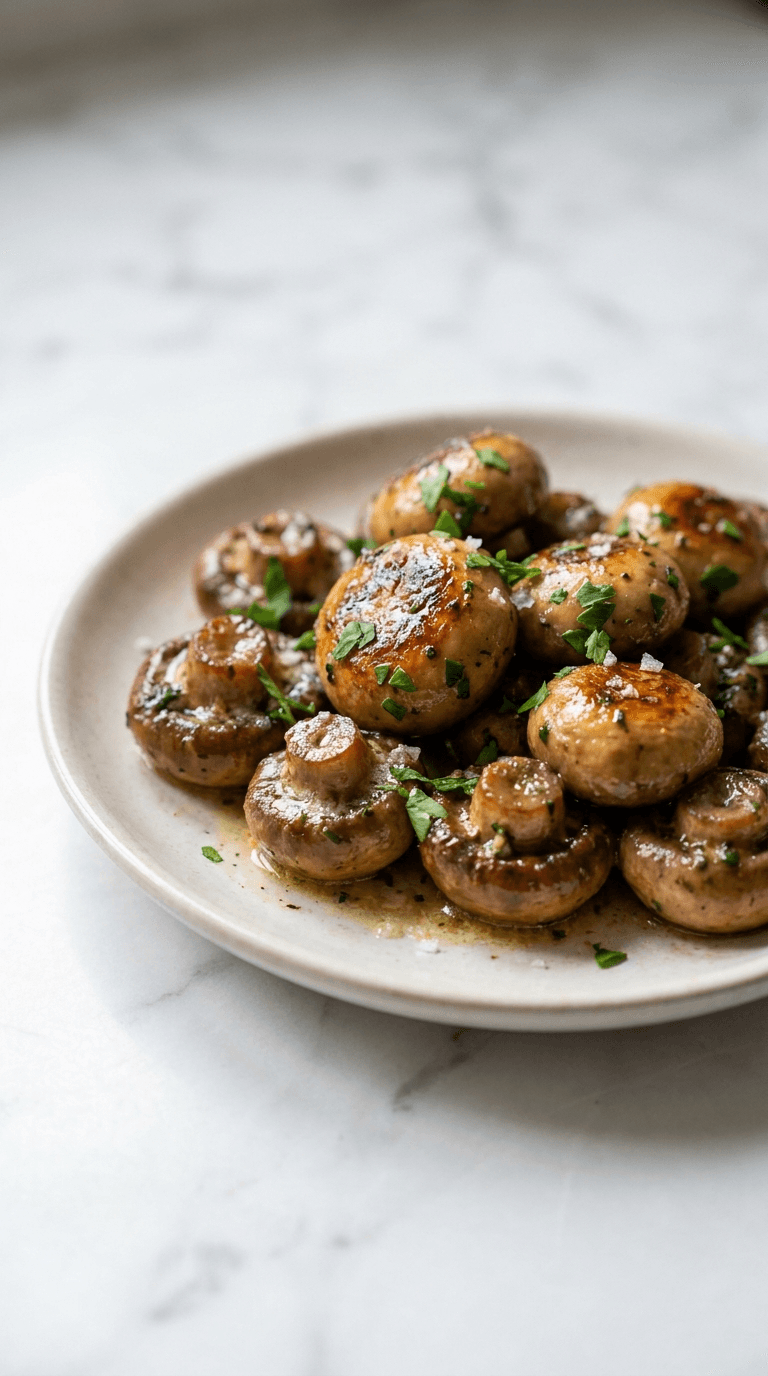
Best Low Carb Garlic Butter Mushrooms
Discover best low carb garlic butter mushrooms - tasty, keto-friendly side dish that's easy to make in minutes.

Dinner
Best Low Carb Roasted Tomatoes with Garlic
Discover the best low carb roasted tomatoes with garlic for tender, flavorful sides and quick, healthy meals.
Dinner
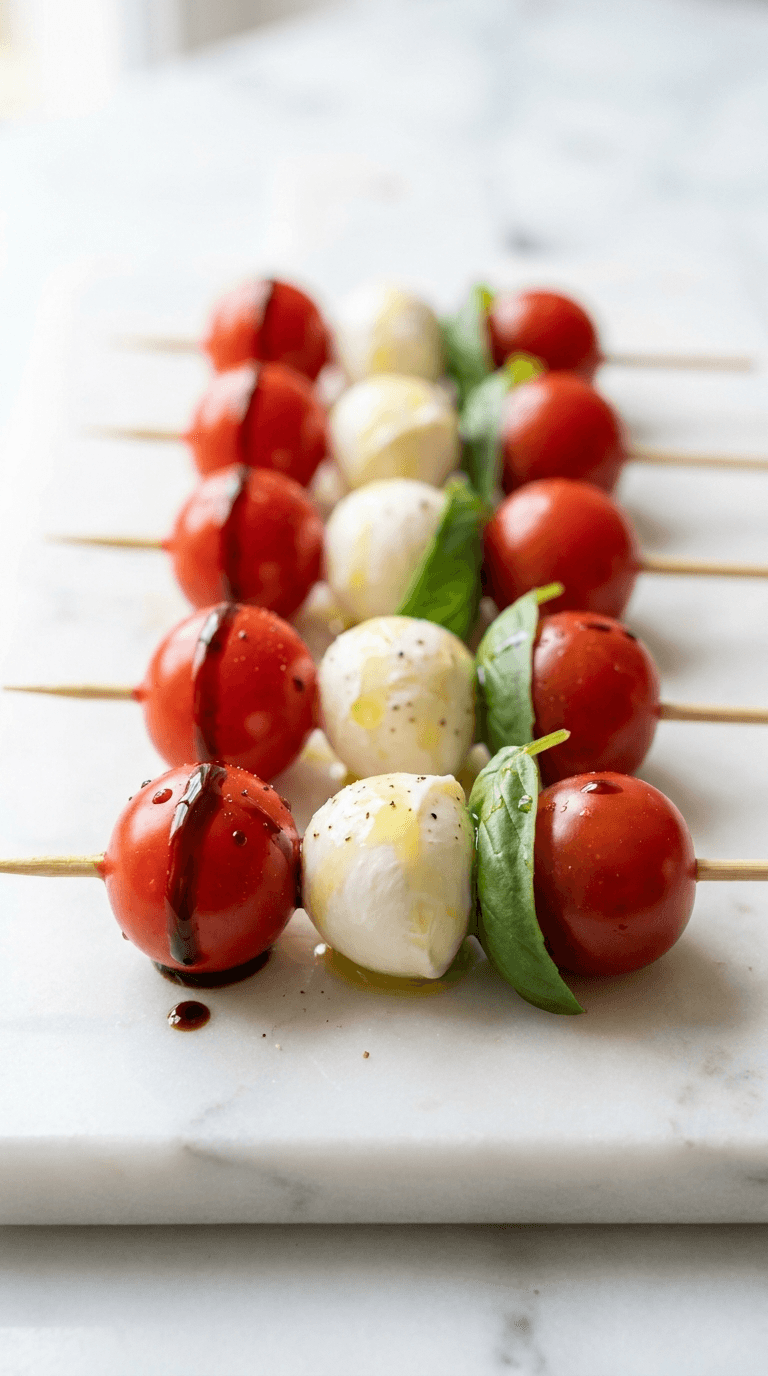
Caprese Skewers
caprese skewers: fresh mozzarella, tomatoes, and basil on a stick for easy, elegant bites. Learn more.
Dinner
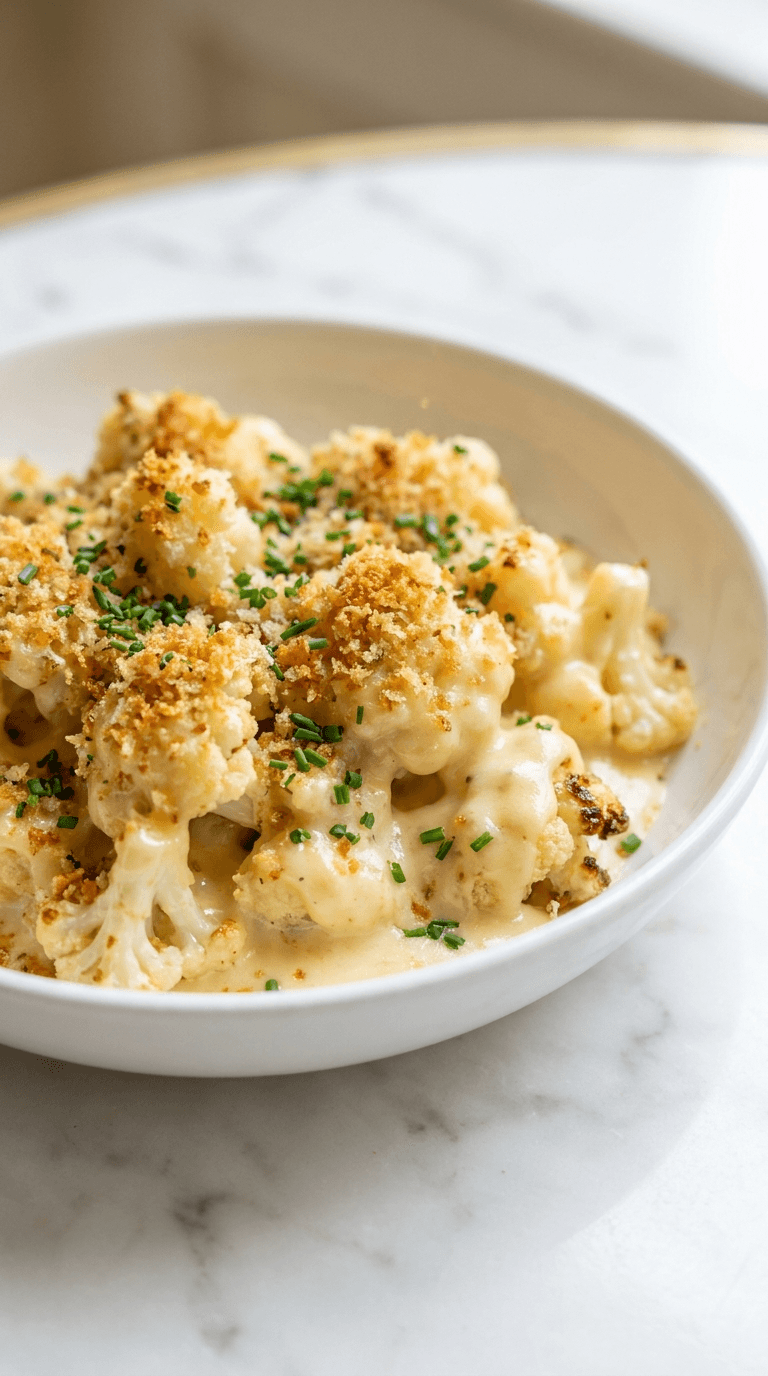
Cauliflower Mac and Cheese
Discover a creamy cauliflower mac and cheese that's comforting and lighter, with simple tips for a veggie-packed dinner.
Dinner
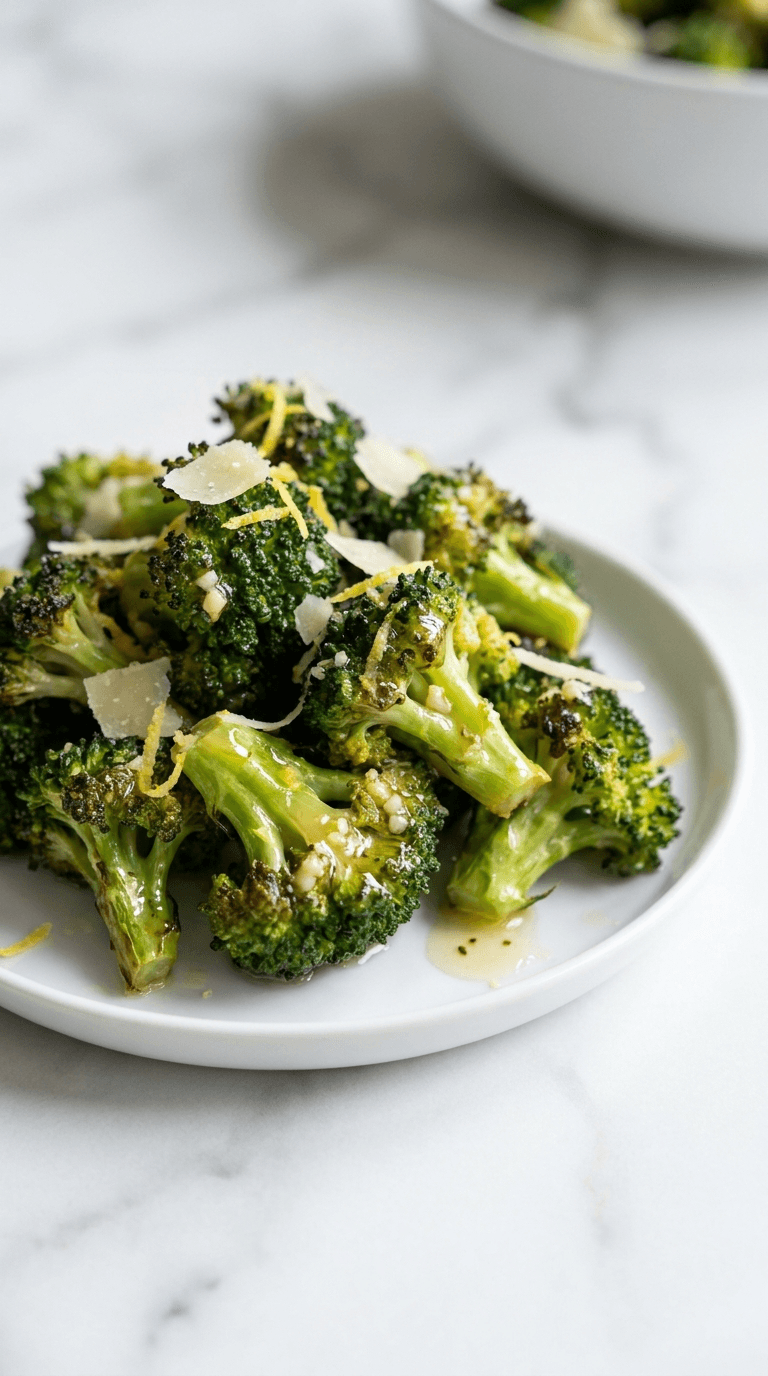
Diabetic Air Fryer Frozen Broccoli
Discover diabetic air fryer frozen broccoli that is crisp, convenient, and diabetes-friendly with minimal oil.
Dinner
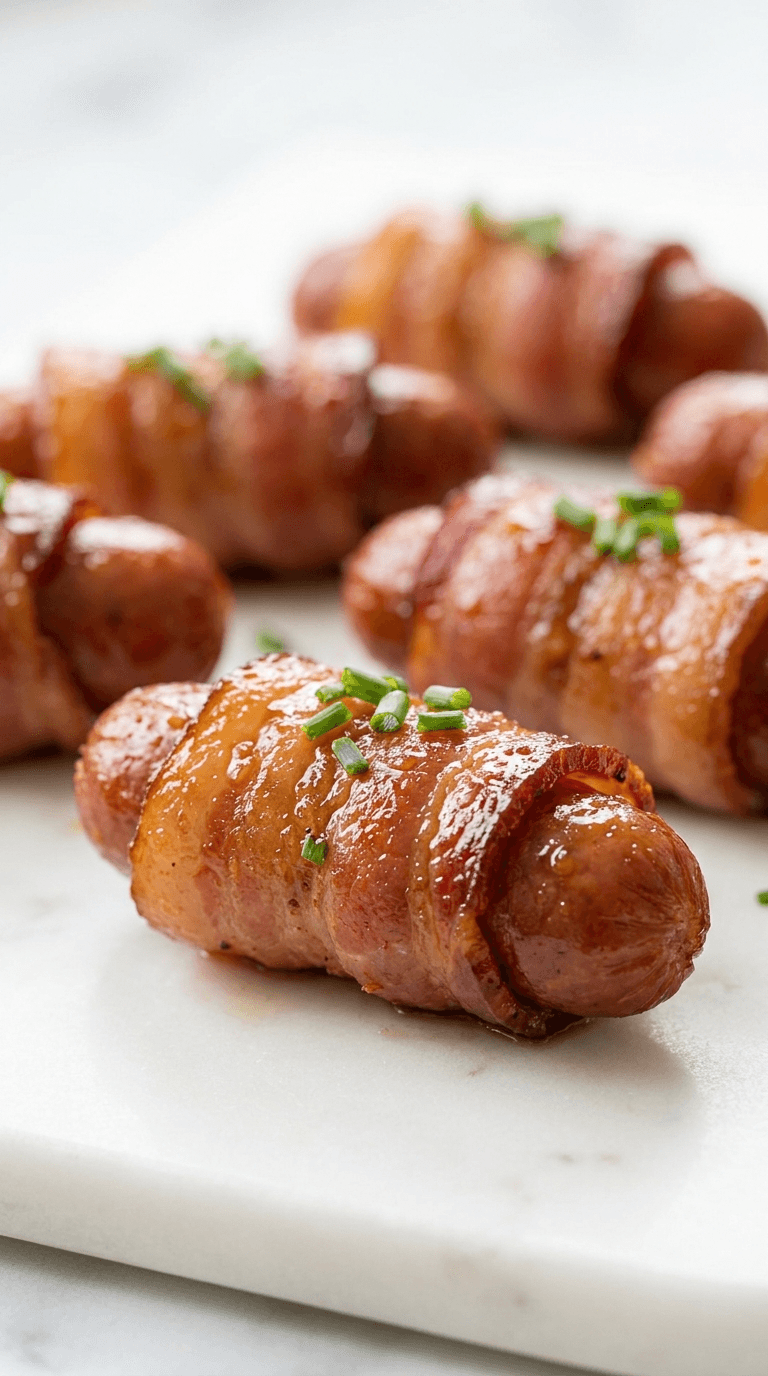
Diabetic Bacon Wrapped Smokies
Discover diabetic bacon wrapped smokies - delicious, low-carb bites that fit diabetic-friendly menus without sacrificing flavor.