
Spicy Korean Ramen with Grilled Beef & Creamy Sauce
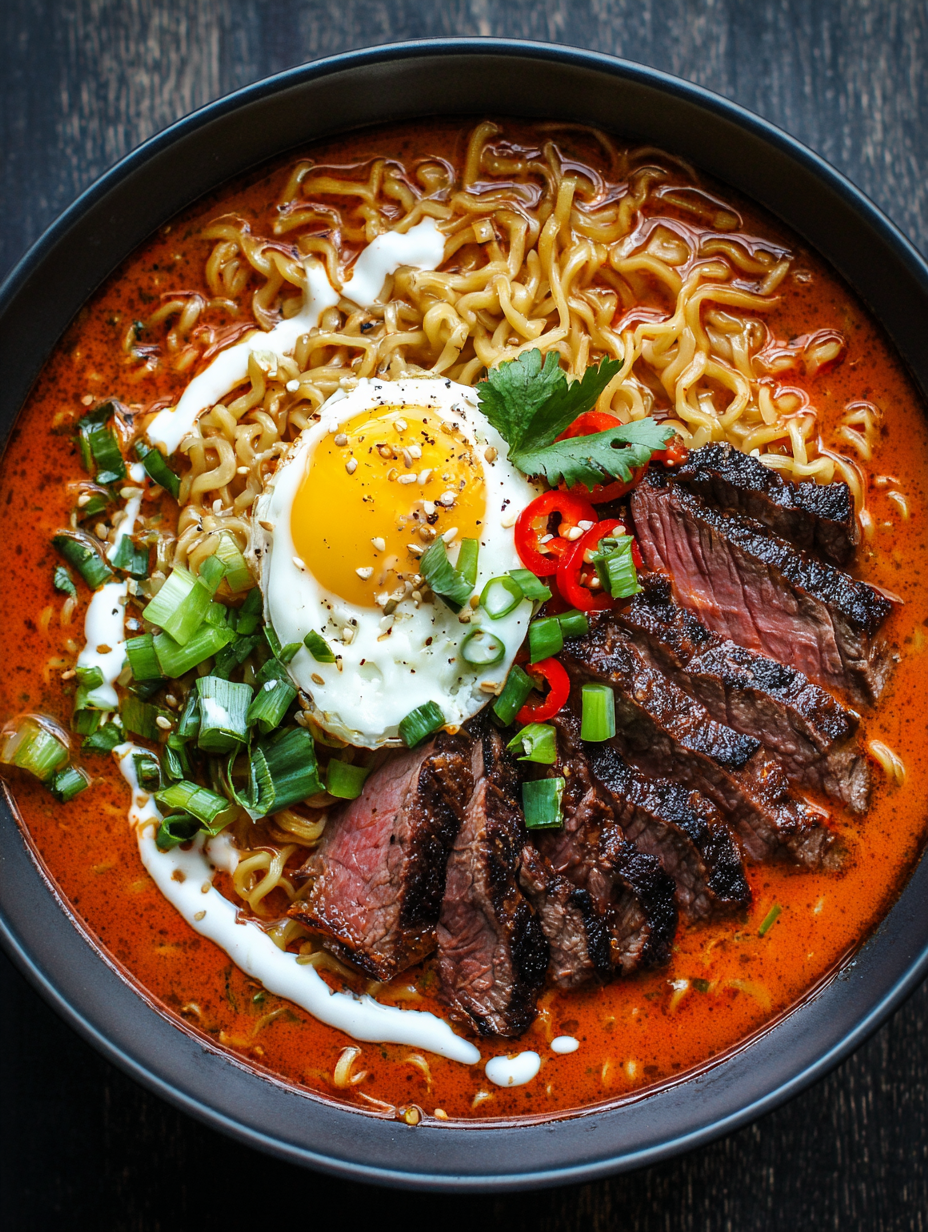
If you love big flavor and cozy noodle bowls, this Spicy Korean Ramen with Grilled Beef & Creamy Sauce is about to become your new weeknight obsession—chewy noodles, smoky beef, and a silky, spicy-creamy sauce all in one bowl.
What Makes This Spicy Korean Ramen with Grilled Beef & Creamy Sauce So Special?
This Spicy Korean Ramen with Grilled Beef & Creamy Sauce is my comfort-food mashup of Korean ramen, smoky grilled meat, and the kind of creamy spicy noodles my kids request on repeat. Think of it as a Korean-style beef ramen that took a little trip through your favorite noodle bar.
We start with a simple stovetop ramen recipe built on a rich ramen broth flavored with garlic, ginger, and gochujang (that iconic Korean chili paste). Then we layer on tender grilled beef—just thinly sliced steak marinated with soy, sesame, and a touch of sugar—so it gets that delicious caramelized edge.
And the creamy ramen sauce? That’s where the magic happens. A swirl of cream (or milk, or even evaporated milk) mellows the heat and gives you this velvety, clingy sauce that hugs every strand of noodle. It’s still very much a spicy Korean ramen, but with a luxurious, almost restaurant-style finish.
I make this as a weeknight ramen dinner when I want something a little indulgent but still relatively quick. It’s my “Friday night at home instead of takeout” dish, often paired with a simple cucumber salad or kimchi from the fridge. It works beautifully year-round, but when the weather turns chilly and you want a big bowl of Korean comfort food, this homemade ramen bowl really shines.
Why You’ll Love This Recipe
- Big, bold flavor with pantry staples – Uses common Asian pantry ingredients like soy sauce, sesame oil, and gochujang ramen noodles for seriously deep flavor.
- Restaurant-style, at-home comfort – Tastes like your favorite Korean noodle soup from a cozy noodle bar, but you’re in sweatpants and slippers.
- Customizable heat level – Make it mild, medium, or “sweat-on-your-forehead” spicy beef ramen by adjusting the gochujang and chili flakes.
- Creamy but not heavy – The creamy spicy ramen sauce is rich and satisfying without feeling like a brick in your stomach.
- Perfect for busy weeknights – Ready in about 35 minutes in one pot plus a grill pan or skillet.
- Great use for leftover steak – Turn last night’s grilled meat into a stellar fusion ramen recipe.
- Flexible protein options – Works with chicken, pork, tofu, or mushrooms if you’re not in a beef mood.
- Kid-friendly with tweaks – Dial back the heat and you’ve got a slurpable, family-style Asian noodle dinner.
- Budget-friendly comfort meal – Instant-style Korean ramen noodles plus a small amount of beef stretches into a full, satisfying meal.
Ingredients for Spicy Korean Ramen with Grilled Beef & Creamy Sauce
(Serves 3–4 as a main)
For the Grilled Beef
- 3/4–1 pound beef sirloin, ribeye, or flank steak, thinly sliced against the grain
(Look for good marbling; thin slices cook quickly and stay tender.) - 2 tablespoons soy sauce (low-sodium if preferred)
- 1 tablespoon toasted sesame oil
- 1 tablespoon neutral oil (canola, avocado, or grapeseed)
- 1 tablespoon brown sugar or honey
- 2 cloves garlic, minced
- 1 teaspoon fresh ginger, grated
- 1–2 teaspoons gochujang (Korean chili paste), depending on spice level
- 1 teaspoon rice vinegar or apple cider vinegar
- 1/4 teaspoon black pepper
For the Ramen & Broth
- 3 packs ramen noodles (about 9–10 ounces total; Korean-style or regular instant noodles, seasoning packets discarded)
- 4 cups low-sodium chicken broth or beef broth
- 1 cup water (plus more as needed to thin)
- 1–2 tablespoons neutral oil
- 3 cloves garlic, minced
- 1 tablespoon fresh ginger, minced or grated
- 2 tablespoons gochujang
- 1 tablespoon soy sauce
- 1 tablespoon mirin or a splash of white wine (optional but adds a nice sweetness)
- 1 teaspoon gochugaru (Korean red pepper flakes) or crushed red pepper, to taste
- 1 teaspoon sugar (or more to balance heat if needed)
For the Creamy Spicy Ramen Sauce Finish
- 1/2 cup heavy cream, half-and-half, or evaporated milk
(For a lighter version, use whole milk or barista-style oat milk.) - 1–2 tablespoons mayonnaise or Kewpie mayo (creamy umami booster)
- 1–2 tablespoons cream cheese, softened (optional, for extra silky texture)
Veggies & Toppings
- 1 cup sliced shiitake or cremini mushrooms
- 1 cup shredded Napa cabbage or baby bok choy
- 1 small carrot, julienned or grated
- 2–3 green onions, thinly sliced
- 2 soft-boiled eggs, halved (optional but highly recommended)
- 1 tablespoon toasted sesame seeds
- Kimchi, for serving (optional, but very on-theme)
- Extra gochujang or chili oil, to drizzle on top if you like a fiery bowl
Ingredient Notes & Swaps
- Beef: If thin-sliced “bulgogi style” beef is available at your grocery store or Asian market, grab it—it works beautifully in this Korean style beef ramen.
- Noodles: Use Korean ramen noodles, fresh ramen, or even udon if that’s what you have. You want a noodle with some chew, not the super flimsy kind.
- Gochujang: This is non-negotiable for that deep Korean flavor in your spicy Korean ramen—brands like Chung Jung One or CJ Haechandle are widely available.
- Cream: No heavy cream on hand? Use half-and-half or a 50/50 mix of milk and cream cheese for a creamy ramen sauce that still clings nicely.
- Gluten-free: Use gluten-free tamari instead of soy sauce and swap in gluten-free ramen or rice noodles; check that your gochujang is gluten-free as well.
Step-by-Step Directions (You’ve Got This!)
1. Marinate the Beef
Add the sliced beef to a medium bowl. Stir in soy sauce, sesame oil, neutral oil, brown sugar, garlic, ginger, gochujang, vinegar, and black pepper. Toss well so every slice is coated.
Let it sit for at least 15–20 minutes at room temperature while you prep the ramen; if you have more time, stash it in the fridge for up to 2 hours for deeper flavor.
Tip: Thinly sliced beef marinates quickly—don’t stress if you’re short on time; even 10–15 minutes helps.
2. Prep Your Veggies & Noodles
Slice mushrooms, shred cabbage or bok choy, and prep the carrot and green onions. Keep them in small bowls near the stove; “little ramekins of happiness,” as my son calls them.
Bring a medium pot of water to a gentle boil. Cook the ramen noodles 1 minute less than package directions (they’ll finish in the broth). Drain and rinse briefly with warm water to stop cooking and keep them from sticking—toss with a drizzle of oil if they clump.
3. Start the Aromatic Base
In a large pot or Dutch oven, heat 1–2 tablespoons of oil over medium heat. Add minced garlic and ginger; sauté for about 30 seconds until fragrant, stirring so they don’t burn.
Stir in the gochujang, soy sauce, mirin (if using), gochugaru, and sugar. Cook this paste for another 30–60 seconds. It should smell toasty and a little spicy; this step wakes up the flavor and makes your spicy creamy ramen sauce taste more complex later.
4. Build the Broth
Pour in the broth and water, scraping the bottom of the pot to loosen any stuck-on bits. Bring to a gentle boil, then reduce to a simmer.
Add mushrooms and cabbage or bok choy. Simmer for 5–7 minutes, until the veggies are just tender and the broth tastes rich and spicy. Taste and adjust seasoning—add more soy for salt, a pinch of sugar if it feels too sharp, or extra gochugaru for more kick.
5. Grill or Sear the Beef
While the broth simmers, heat a grill pan or large skillet over medium-high heat. Lightly oil the pan if needed.
Spread the marinated beef in a single layer (work in batches so it doesn’t steam). Cook 1–2 minutes per side until the edges are caramelized and the beef is cooked through but still tender.
Transfer cooked beef to a plate and keep warm. A little bit of char is excellent here—that smoky flavor makes this grilled beef ramen feel restaurant-worthy.
Shortcut: No time to grill? You can quickly sear the beef directly in the ramen pot before starting the broth. Remove it, then continue as written and add the beef back at the end.
6. Create the Creamy Ramen Sauce Base
Reduce the broth to low heat so it’s just shy of simmering—this helps keep the cream from curdling.
In a small bowl, whisk together cream (or your chosen dairy), mayonnaise, and cream cheese (if using) until mostly smooth. You don’t need perfection; a few soft bits will melt in.
Slowly whisk this creamy mixture into the hot broth. Stir gently and watch as your spicy Korean ramen transforms into a rich, creamy ramen sauce–style broth. It should look slightly thickened and silky.
If it’s too intense or thick, add a splash of water or broth. If you want it creamier, add another tablespoon of cream or mayo.
7. Add Noodles & Finish the Bowl
Add the pre-cooked ramen noodles and carrot matchsticks to the pot. Gently toss with tongs or chopsticks so the creamy spicy noodles are fully coated.
Simmer for 1–2 minutes, just until the noodles are warmed through and have soaked up a bit of the spicy creamy ramen sauce.
Turn off the heat. Taste one more time and adjust seasoning—this is your last chance to tweak before serving.
8. Assemble & Garnish
Ladle noodles and broth into warm bowls. Top generously with grilled beef.
Garnish with green onions, toasted sesame seeds, soft-boiled egg halves, and a spoonful of kimchi on the side. If you’re a heat lover, drizzle extra chili oil or a dab of gochujang over the top.
Serve immediately while everything is piping hot and fragrant. Slurping is absolutely encouraged.
Servings & Timing
- Yield: Serves 3–4 as a main dish
- Prep Time: 20 minutes (including marinating the beef)
- Cook Time: 15–20 minutes
- Total Time: About 35–40 minutes
This makes a generous pot of Korean noodle soup-style ramen with grilled meat and creamy sauce—perfect for a hungry family or two very hungry adults with leftovers for lunch.
Variations: Make It Your Own
- Extra-Veggie Ramen: Add baby spinach, bean sprouts, or frozen corn at the end for a more veggie-forward homemade ramen bowl.
- Creamy Chicken Ramen: Swap the beef for sliced chicken thighs; marinate and cook exactly the same way for a lighter protein.
- Spicy Tofu & Mushroom Ramen: Use firm tofu cubes (pressed and pan-seared) and double the mushrooms for a vegetarian version—use vegetable broth and a vegan mayo/plant cream.
- Cheesy Korean Ramen: Stir in a small handful of shredded mozzarella or cheddar at the end for that fun “cheese ramyun” vibe.
- Brothier, Less Creamy: Reduce or skip the mayo and cream cheese, and use just a splash of cream for a lighter, soupier spicy Korean ramen.
- Sesame-Forward Flavor: Add 1–2 teaspoons tahini or extra toasted sesame oil to the creamy mixture for a nutty, deeper flavor.
Storage & Reheating Tips
Because this is a creamy ramen sauce–style dish, the noodles will absorb a lot of liquid as it sits. That’s not a bad thing, but keep a few things in mind:
Fridge Storage:
Store leftover noodles and broth in an airtight container in the fridge for up to 2 days. The grilled beef can be stored separately if you like, also up to 3 days.Reheating:
Reheat gently on the stovetop over low heat with a splash of water, milk, or broth to loosen the sauce. Stir often; once it’s warmed through and creamy again, you’re good.
You can also microwave in 45-second bursts, stirring between each, adding a spoonful of liquid as needed.Freezer:
I don’t recommend freezing the assembled creamy ramen—the noodles get mushy and the sauce can separate. If you want a freezer component, freeze the grilled beef separately and make the ramen fresh.Make-Ahead:
- Marinate the beef up to 12 hours in advance.
- You can also cook the beef ahead and refrigerate; just reheat gently in a skillet before serving.
- The broth base (without cream and noodles) can be made a day ahead; add the creamy spicy ramen sauce mixture and noodles fresh for the best texture.
Notes from My Kitchen (A 50-Year-Old’s Honest Thoughts)
- Balancing Heat & Cream: I’ve tested this spicy creamy ramen sauce more times than I’ll admit. If it tastes too spicy, don’t immediately dump in more cream; first, add a teaspoon of sugar and a splash more soy sauce, then adjust. Often it’s about balance, not just mellowing things out.
- Noodle Texture Matters: Slightly undercook your noodles when you boil them. By the time they simmer in the broth, they hit that perfect chewy spot. Overcooked ramen gets soggy fast—no one wants “mushy noodle sadness.”
- Beef Slicing Trick: If slicing the beef thinly is a pain, freeze the steak for about 20–30 minutes first. It firms up and slices like a dream.
- Pan vs. Grill: A cast-iron skillet gives a wonderful sear if you don’t want to fire up a grill pan. Don’t overcrowd the pan, or the beef will steam instead of caramelize.
- Cream Types: Heavy cream gives you a very rich, almost restaurant-style bowl. Half-and-half or evaporated milk gives enough creaminess for a weeknight ramen dinner without feeling too heavy.
- Kids & Heat: When I’m feeding spice-sensitive folks, I cut the gochujang in half and offer extra on the side. The creamy sauce naturally mellows things, so you can always build heat bowl by bowl.
FAQs About Spicy Korean Ramen with Grilled Beef & Creamy Sauce
1. How spicy is this ramen, really?
On a scale of 1–10, the base recipe is around a 6, but you can easily bring it down to a 3 by cutting the gochujang and skipping extra chili flakes.
2. Can I make this without cream or dairy?
Yes—use a thick, unsweetened plant milk like oat or soy and a vegan mayo; skip the cream cheese and rely more on the gochujang and sesame flavors.
3. What kind of ramen noodles work best?
Korean ramen noodles (like Shin Ramyun–style) are great, but any springy instant ramen or fresh ramen works; avoid very thin, fragile noodles so they don’t break down.
4. Can I use ground beef instead of sliced steak?
You can—season and cook it in a skillet until browned and crispy in spots, then sprinkle it over the noodles like a spicy Korean-style beef crumble.
5. How do I make the eggs like a ramen shop?
Soft boil them: simmer eggs for about 6–7 minutes, cool in ice water, peel, and marinate in a mix of soy sauce, water, and a little mirin for a few hours if you’d like.
6. My sauce curdled—what happened?
The heat was likely too high when you added the cream; keep the broth just below a simmer, add the dairy slowly, and whisk gently to keep it smooth.
7. Can I double this recipe for guests?
Yes—double all ingredients, but use a wider pot and add the noodles in batches so they don’t clump; taste and adjust seasoning as you scale up.
8. What can I serve on the side with this ramen?
Simple cucumber salad, kimchi, roasted seaweed snacks, or pan-fried dumplings all make this spicy Korean ramen dinner feel like a fun, cozy spread.
Wrapping It Up (And Pouring Another Bowl)
This Spicy Korean Ramen with Grilled Beef & Creamy Sauce brings together the best of everything: umami-packed gochujang ramen noodles, tender grilled beef, and that dreamy, spicy-creamy sauce that makes every bite feel a little indulgent. It’s comforting enough for a chilly evening yet simple enough for a weeknight ramen dinner.
If you try this recipe, I’d love to hear how it went—tell me in the comments how spicy you made yours, and which toppings your family loved. And if you’re hungry for more Korean comfort food and easy Asian noodle dinners, browse around for more noodle bowls and cozy soups to keep your kitchen smelling amazing.
Read next
Dinner
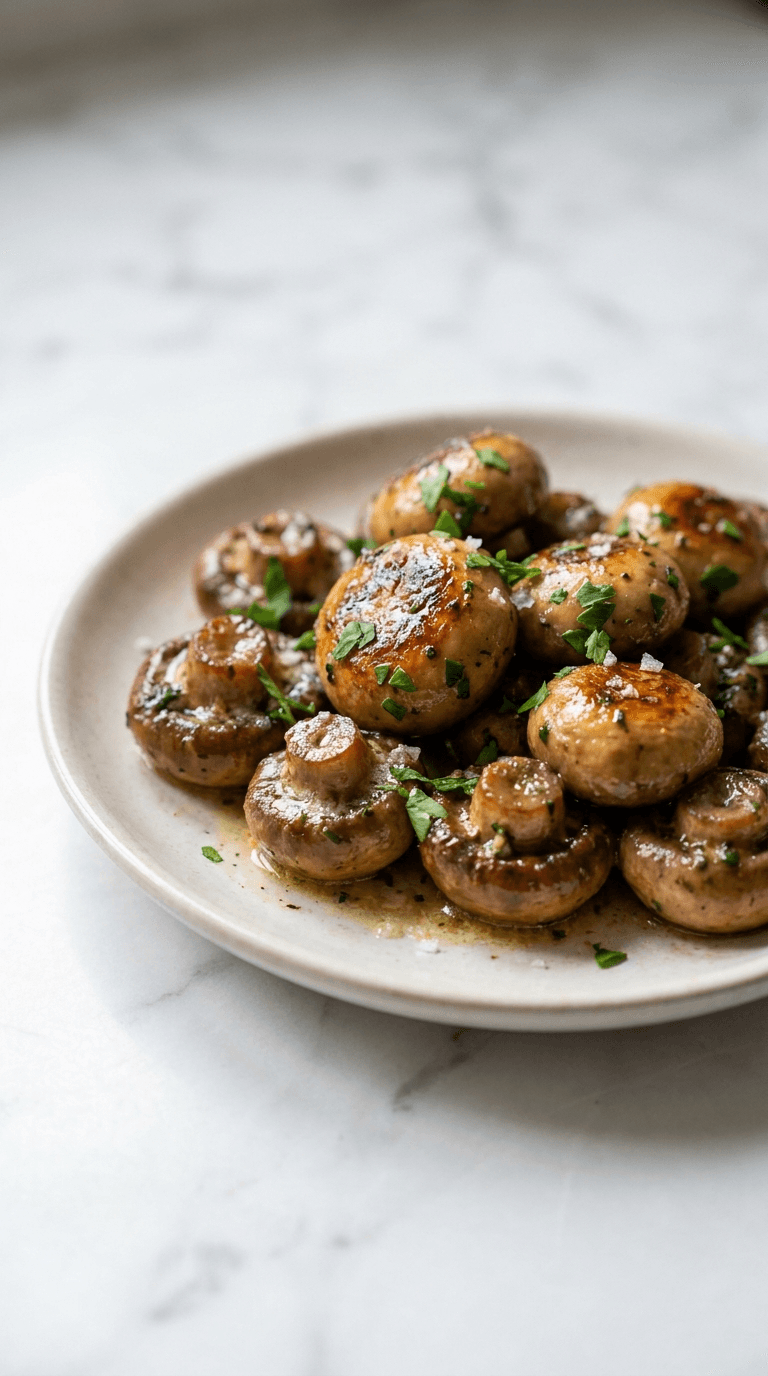
Best Low Carb Garlic Butter Mushrooms
Discover best low carb garlic butter mushrooms - tasty, keto-friendly side dish that's easy to make in minutes.
Dinner
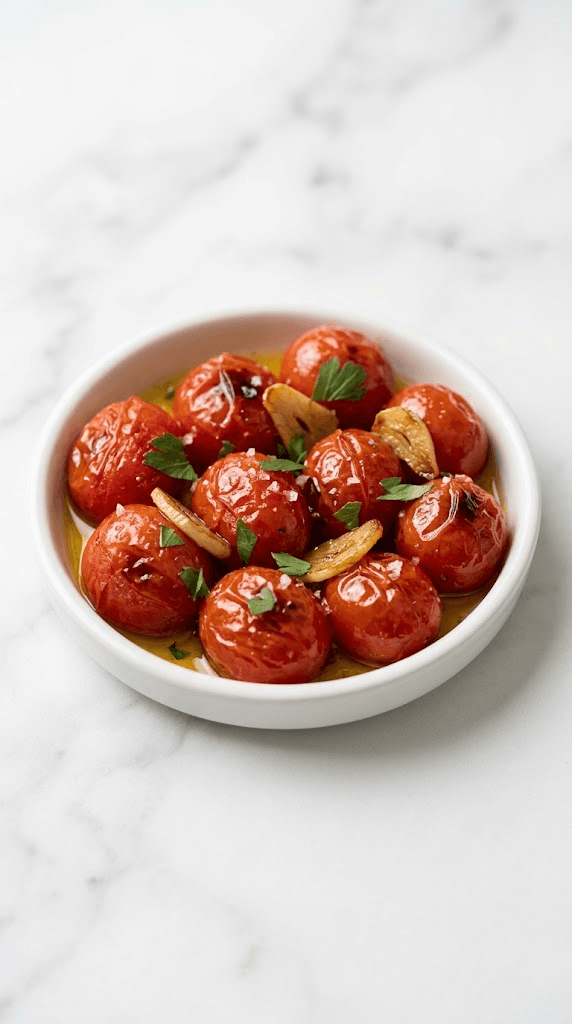
Best Low Carb Roasted Tomatoes with Garlic
Discover the best low carb roasted tomatoes with garlic for tender, flavorful sides and quick, healthy meals.
Dinner
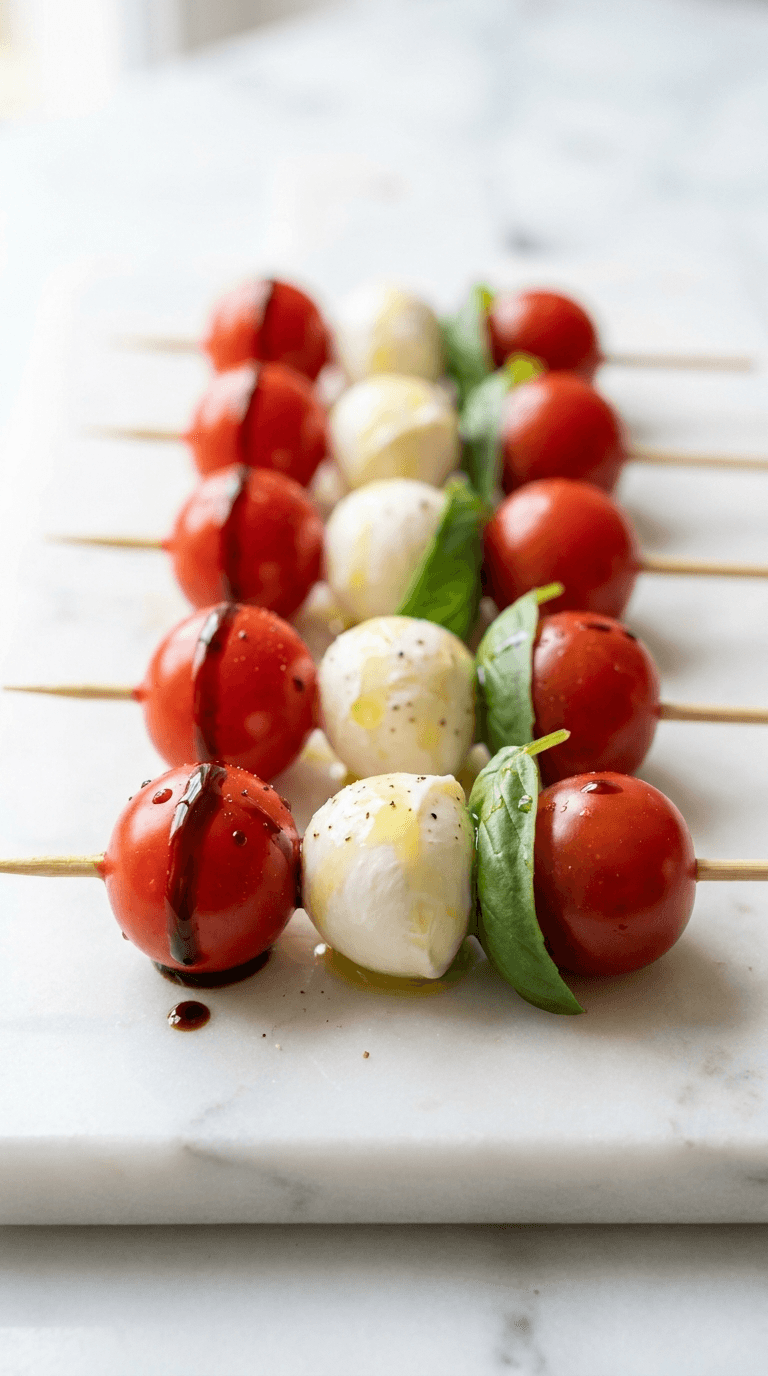
Caprese Skewers
caprese skewers: fresh mozzarella, tomatoes, and basil on a stick for easy, elegant bites. Learn more.
Dinner
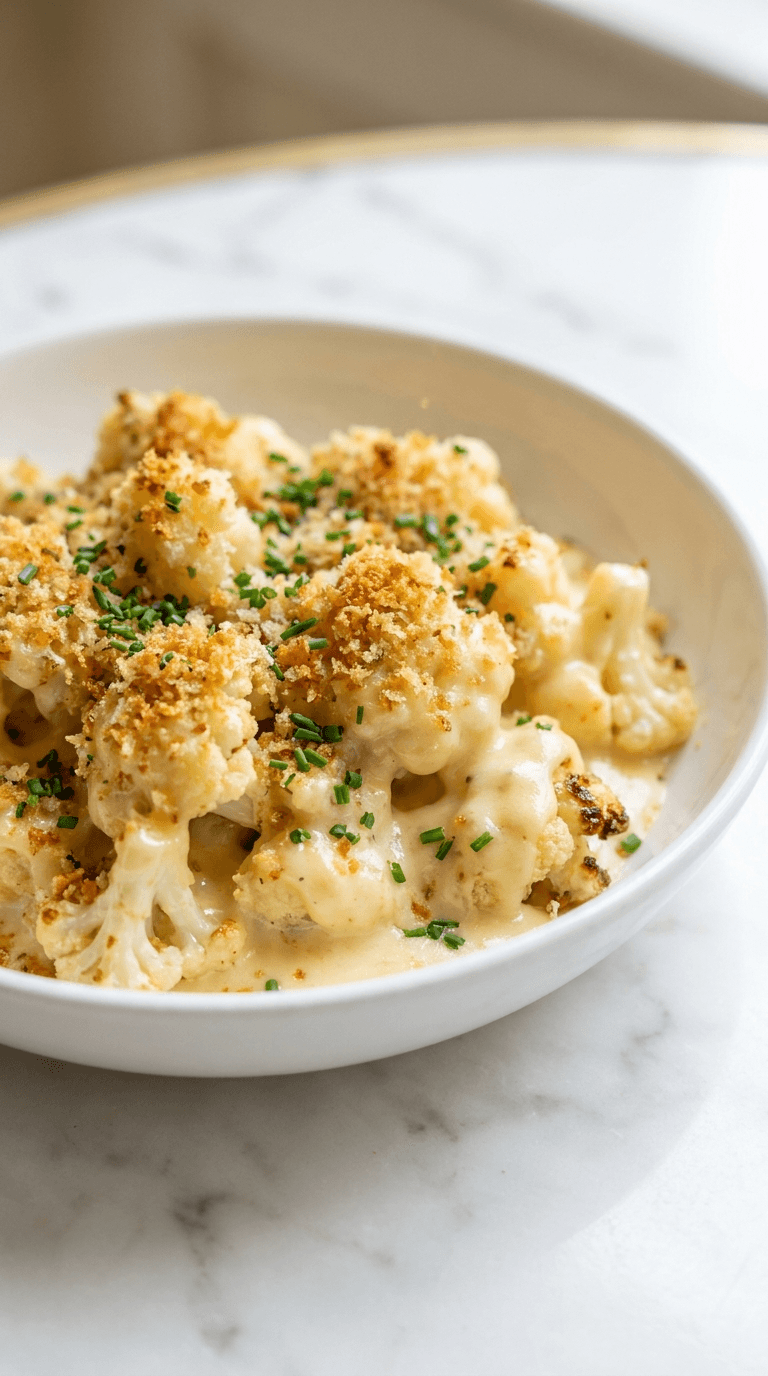
Cauliflower Mac and Cheese
Discover a creamy cauliflower mac and cheese that's comforting and lighter, with simple tips for a veggie-packed dinner.
Dinner
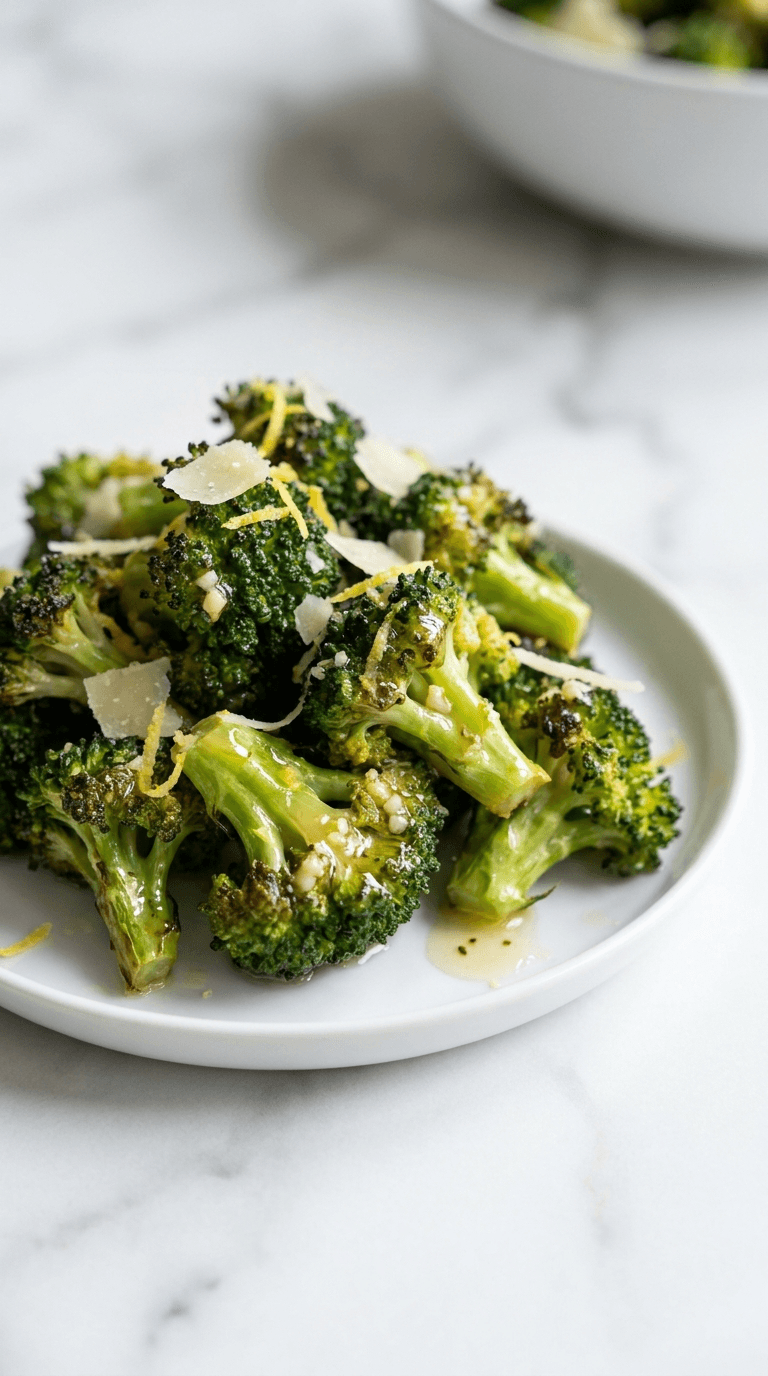
Diabetic Air Fryer Frozen Broccoli
Discover diabetic air fryer frozen broccoli that is crisp, convenient, and diabetes-friendly with minimal oil.
Dinner
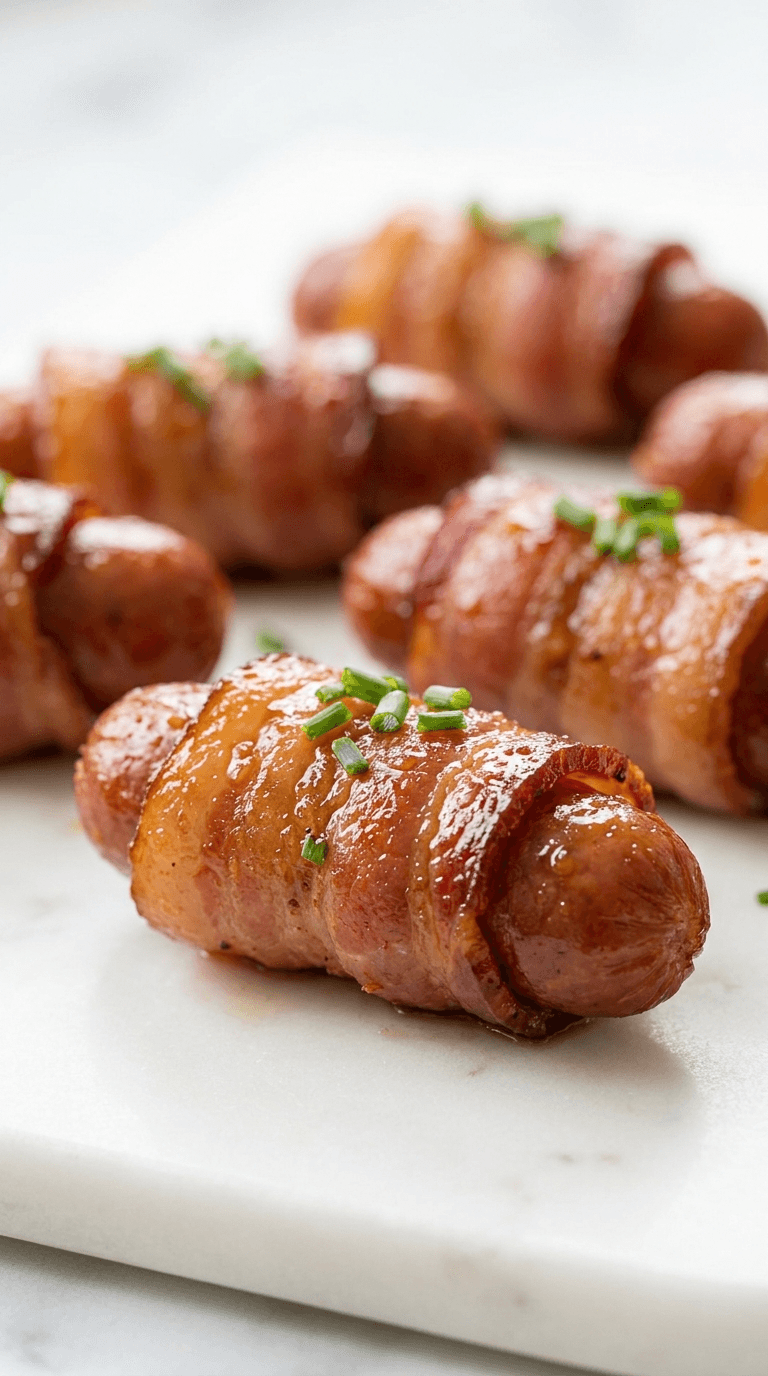
Diabetic Bacon Wrapped Smokies
Discover diabetic bacon wrapped smokies - delicious, low-carb bites that fit diabetic-friendly menus without sacrificing flavor.