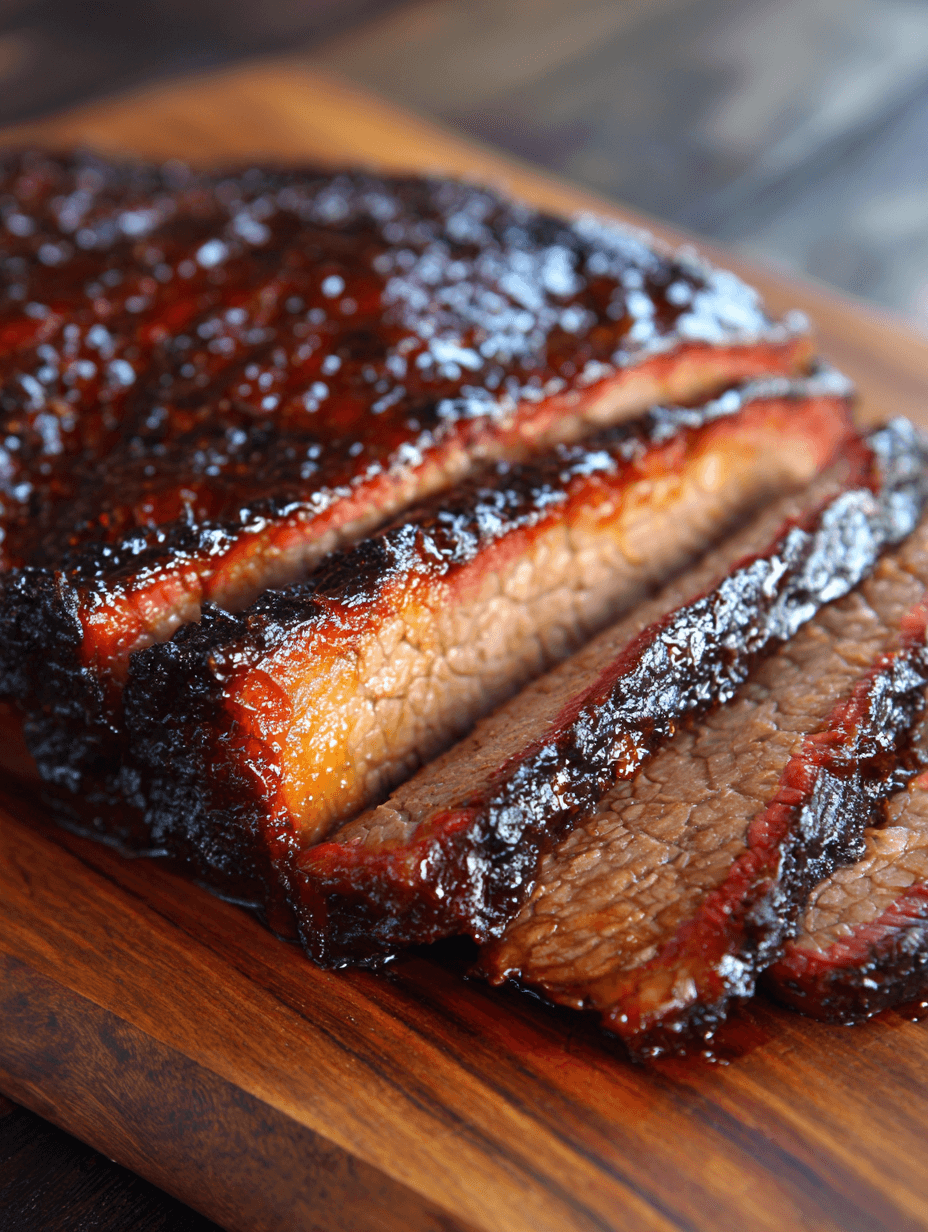
Texas Style Smoked Brisket Recipe
If you’ve been craving a true Texas Style Smoked Brisket Recipe with a dark bark, juicy slices, and that unmistakable post oak aroma, you’re in the right place—this is a low and slow brisket worth the wait.
A Backyard Favorite That Tastes Like Texas
There’s something almost magical about a properly smoked brisket. It’s simple, really—beef, salt, pepper, smoke, time. But when those few things come together the right way, you get the kind of meal people talk about for days. This Texas style smoked brisket is inspired by classic Central Texas barbecue, where the meat is the star and the seasoning stays humble.
I’ve made a lot of brisket over the years, and I’ll tell you this: the best ones aren’t always the fussiest. A true Texas brisket recipe is about patience, a steady fire, and learning when the brisket is ready by feel, not just by the clock. I love serving this for summer cookouts, football weekends, family birthdays, and those long Saturdays when folks naturally gather near the smoker with a cold drink in hand. If you’re looking for an authentic Texas brisket that feels special but still approachable for home cooks, this one has your name on it.
And yes, whether you’re using an offset smoker, a pellet grill, or a sturdy backyard setup, I’ll walk you through it in a clear, practical way.
Why You’ll Love This Recipe
- Delivers that classic Texas barbecue brisket flavor with minimal ingredients
- Uses a simple salt and pepper brisket rub that lets the beef shine
- Works for both beginners and experienced pitmasters
- Gives you tender slices from the flat and juicy bites from the point
- Builds a rich, dark bark with real smoke flavor
- Fits an offset smoker brisket method or a pellet smoker brisket setup
- Great for holidays, cookouts, tailgates, and backyard parties
- Includes clear timing, temperature, and doneness cues
- Perfect for meal prep—leftovers are fantastic
- Tastes like real hardwood smoked brisket, not pot roast pretending to be barbecue
Ingredients
For one whole packer brisket, about 12 to 14 pounds before trimming:
- 1 whole beef brisket, 12–14 pounds (packer cut, with both flat and point attached)
- 3 tablespoons coarse kosher salt
- 3 tablespoons 16-mesh coarse black pepper
- 1 tablespoon garlic powder (optional, not traditional but tasty)
- 1 teaspoon onion powder (optional)
- 2 tablespoons yellow mustard or beef tallow (binder, optional)
- 1 to 2 cups beef tallow, melted (for wrapping, optional but helpful)
- Post oak wood chunks or splits, as needed (classic for post oak smoked brisket)
- Water or beef broth in a spray bottle, as needed
A few ingredient notes, because they matter more than people think:
- Beef brisket: Look for one with good marbling in the flat. Flexibility is a nice sign too; if it bends easily in the cryovac, that often means a better end result.
- Kosher salt: Diamond Crystal and Morton both work, but Morton tastes saltier by volume, so use a touch less if that’s what you have.
- Black pepper: This is the backbone of a Texas dry rub brisket. Coarse pepper creates that classic bark.
- Binder: Mustard won’t make the brisket taste like mustard. It simply helps the rub cling. Beef tallow is richer and feels a little more old-school barbecue.
- Wood: Post oak is the gold standard for central Texas style brisket, though white oak or hickory can work in a pinch.
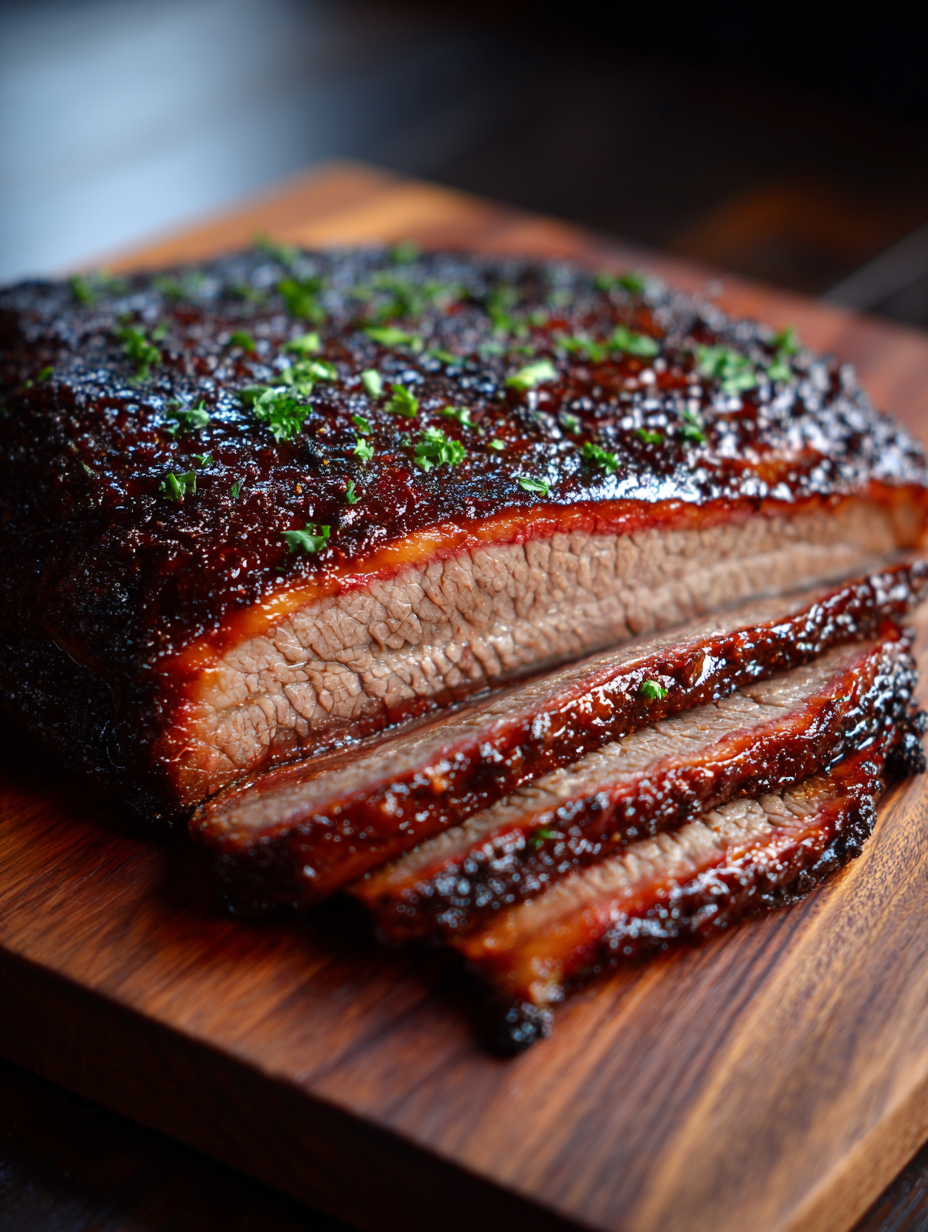
Directions
Trim the brisket.
Take the brisket out of the fridge and place it on a large cutting board while it’s still cold—it’s much easier to trim that way. Trim the fat cap down to about 1/4 inch. Remove any hard pockets of fat between the point and flat, plus thin flaps of meat that may burn. You want a smooth, aerodynamic shape so the brisket cooks evenly.Season it simply and generously.
If using mustard or tallow as a binder, rub on a thin coat. Mix the salt, pepper, garlic powder, and onion powder, then apply evenly over all sides. Press the seasoning on gently. This is where that Texas BBQ recipe character starts, and honestly, simple is better here.Let the brisket sit while the smoker heats.
Set the brisket aside at room temperature for 30 to 45 minutes. Meanwhile, preheat your smoker to 250°F. If you’re making a true beef brisket smoker setup on an offset, aim for clean, thin blue smoke—not heavy white billows. Dirty smoke can turn bitter fast.Place the brisket on the smoker.
Put the brisket on grates fat side up or down depending on your heat source. On many offset smokers, fat side down helps protect the meat from direct heat coming below or from the side. On some pellet smokers, either direction can work, though I still lean toward protecting the flat. Insert a leave-in meat probe into the thickest part of the flat.Smoke low and slow.
Maintain a cooking temperature between 235°F and 265°F. That range is forgiving and realistic for backyard brisket smoking. Spritz lightly with water or broth every 60 to 90 minutes after the first 3 hours if the surface looks dry. Don’t overdo it—you’re supporting bark, not washing it off.Cook until the bark sets.
Around 6 to 8 hours in, the brisket will usually hit an internal temperature near 165°F to 175°F. More important than the number, though, is the look: the bark should be dark, dry, and not rub off when touched lightly. This is the stall, and yes, it can feel endless. That’s normal.Wrap the brisket.
Once the bark is set, wrap the brisket in unwaxed pink butcher paper. If you like an extra-rich finish, drizzle a bit of melted beef tallow over the brisket before wrapping. Paper helps preserve bark better than foil, though foil cooks faster. If you’re after competition brisket recipe vibes, tallow in the wrap can really help.Continue smoking until probe tender.
Return the wrapped brisket to the smoker and keep cooking at 250°F until the internal temperature reaches about 195°F to 205°F. But here’s the thing: doneness is about feel. A probe or skewer should slide into the flat with very little resistance, like room-temperature butter. That’s your green light for tender smoked brisket.Rest it properly.
Remove the brisket from the smoker and let it rest, wrapped, on the counter for 30 to 45 minutes to stop the carryover heat from climbing too high. Then place it in a dry cooler, warm oven (around 150°F to 170°F), or insulated holding box for 2 to 4 hours. This rest is not optional if you want juicy smoked brisket. It makes a world of difference.Slice and serve.
Unwrap the brisket and save any juices. Slice the flat against the grain into pencil-thick slices. When you reach the point, turn the brisket and slice that section against its grain too. Drizzle reserved juices lightly over the top if needed. Serve with pickles, sliced onion, white bread, potato salad, or beans for that classic Texas barbecue brisket plate.
Servings & Timing
- Yield: 12 to 16 servings
- Prep Time: 30 to 45 minutes
- Cook Time: 10 to 14 hours, depending on brisket size and smoker stability
- Rest Time: 2 to 4 hours
- Total Time: About 13 to 18 hours
A practical rule: many whole packer briskets take roughly 60 to 90 minutes per pound at 250°F, but brisket has a mind of its own. Time is a guide; tenderness is the answer.
Variations
- Salt-and-pepper only: Use just kosher salt and coarse black pepper for a truly authentic Texas brisket approach.
- Pellet grill version: Make this as a pellet smoker brisket by adding a smoke tube for a stronger wood-fired profile.
- Hickory twist: Swap post oak for hickory if you like a bolder smoke flavor.
- Spicy bark: Add 1 teaspoon cayenne and 1 tablespoon paprika to the rub for a little kick.
- Coffee rub brisket: Mix in 1 tablespoon finely ground coffee for deeper, earthy notes.
- Burnt ends finish: Cube the point after cooking, sauce lightly, and return it to the smoker for sticky bites.
Storage & Reheating
Store leftover smoked beef brisket in an airtight container in the refrigerator for up to 4 days. For best results, keep sliced brisket with some of its juices so it stays moist.
To freeze, wrap portions tightly in plastic wrap and foil or use freezer bags with the air pressed out. Freeze for up to 3 months. I like freezing sliced flat separately from chopped point—makes future meals easier.
For reheating, place brisket in a covered baking dish with a splash of beef broth or reserved juices and warm at 300°F until heated through, usually 20 to 30 minutes. You can also reheat sealed portions in simmering water if vacuum-packed. That method works beautifully and keeps the meat from drying out.
Make-ahead tip: smoke the brisket the day before, then rest and chill it whole. Reheat gently, still wrapped, in a low oven before slicing. That’s a handy move for holiday hosting.
Notes
One of the biggest things I’ve learned while testing a smoked brisket recipe is this: brisket doesn’t care about your timetable. I mean that kindly. Some cook fast, some stall forever, and some seem perfect one minute and stubborn the next. That’s why feel matters so much.
A few personal tips that really help:
- If the flat is lean, use tallow in the wrap. It adds insurance.
- Keep the smoker lid closed as much as you can. Every peek dumps heat and stretches the cook.
- If your brisket is done early, that’s actually good news. A long hold often improves texture.
- Thin blue smoke is your friend; thick white smoke can leave a harsh taste.
- If the bottom bark gets too dark, especially on a pellet smoker, place the brisket on the upper rack or use a diffuser.
And let me say this for beginners: don’t be scared of brisket. Respect it, yes. Plan ahead, absolutely. But don’t let it intimidate you. Every brisket teaches you something, and that’s part of the fun of brisket smoking techniques.
FAQs
What is the best wood for a Texas Style Smoked Brisket Recipe?
Post oak is the classic choice for a true Texas style smoked brisket, especially Central Texas style, because it gives a clean, balanced smoke flavor.
Do I have to wrap the brisket?
No, but wrapping helps push through the stall and protects moisture. Butcher paper is great for preserving bark while still making a juicy smoked brisket.
What temperature should brisket be done?
Most briskets finish between 195°F and 205°F, but the real test is probe tenderness. If it slides in easily, it’s ready.
Can I make this beginner brisket recipe on a pellet smoker?
Yes, absolutely. A pellet smoker is one of the easiest ways to make a beginner brisket recipe, though adding extra smoke can help mimic an offset flavor.
Why is my brisket tough?
It usually needs more time. Tough brisket often means the connective tissue hasn’t fully broken down yet, so keep cooking until probe tender.
Why is my brisket dry?
Dry brisket can come from overcooking, under-resting, or starting with a lean cut. Choosing a well-marbled packer and resting it properly both help a lot.
Should I spritz the brisket while smoking?
You can, but lightly. Too much spritzing cools the meat and softens bark, so use it only if the surface looks dry.
How do I slice brisket the right way?
Always slice against the grain. The flat and point run in different directions, so you’ll need to turn the brisket when moving from one section to the other.
Conclusion
This Texas Style Smoked Brisket Recipe keeps things honest—simple seasoning, steady smoke, and plenty of time to turn a tough cut into something truly memorable. It’s rich, beefy, deeply smoky, and exactly the kind of best Texas brisket people gather around.
If you try it, I’d love to hear how it turned out for you. Leave a comment, share your smoker setup, and if you’re hungry for more, check out related favorites like smoked ribs, homemade barbecue sauce, or classic potato salad for the full backyard spread.
Read next
Dinner
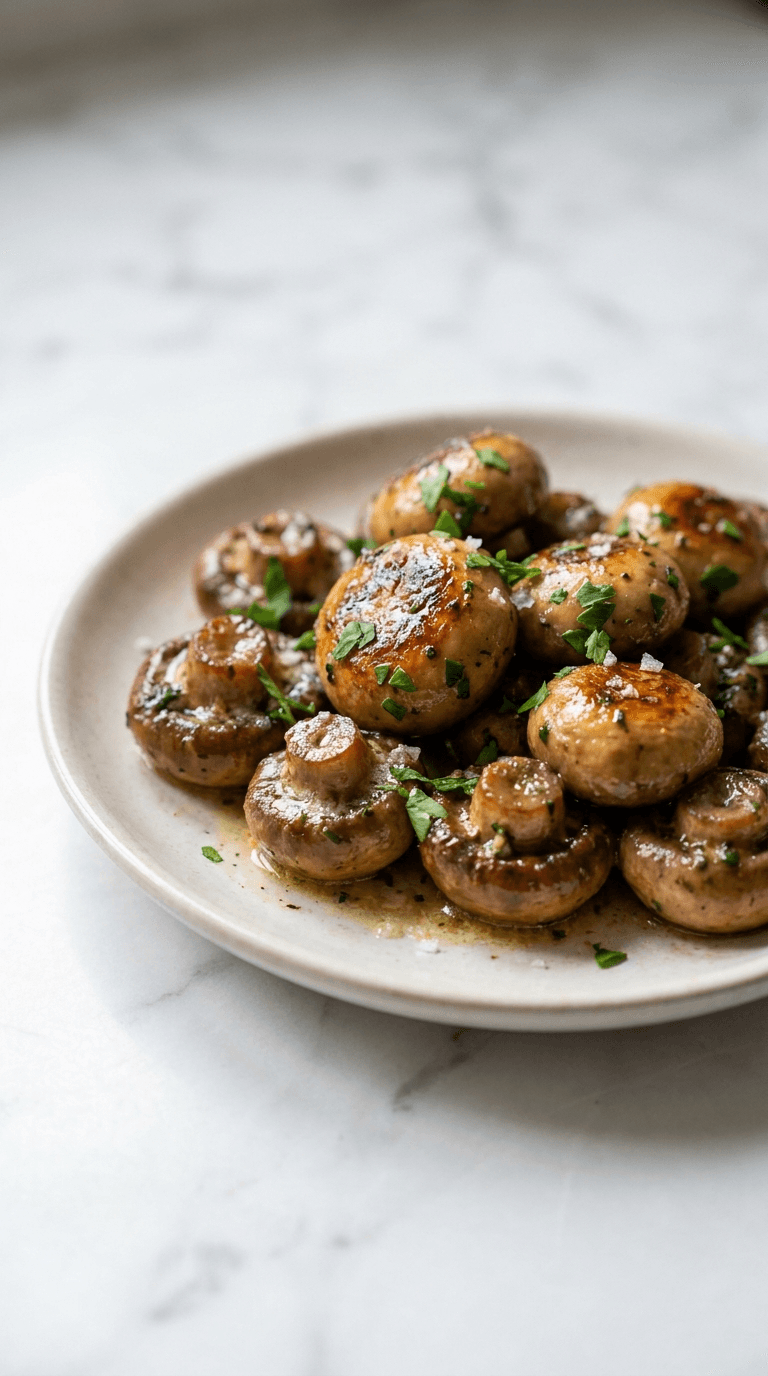
Best Low Carb Garlic Butter Mushrooms
Discover best low carb garlic butter mushrooms - tasty, keto-friendly side dish that's easy to make in minutes.

Dinner
Best Low Carb Roasted Tomatoes with Garlic
Discover the best low carb roasted tomatoes with garlic for tender, flavorful sides and quick, healthy meals.
Dinner
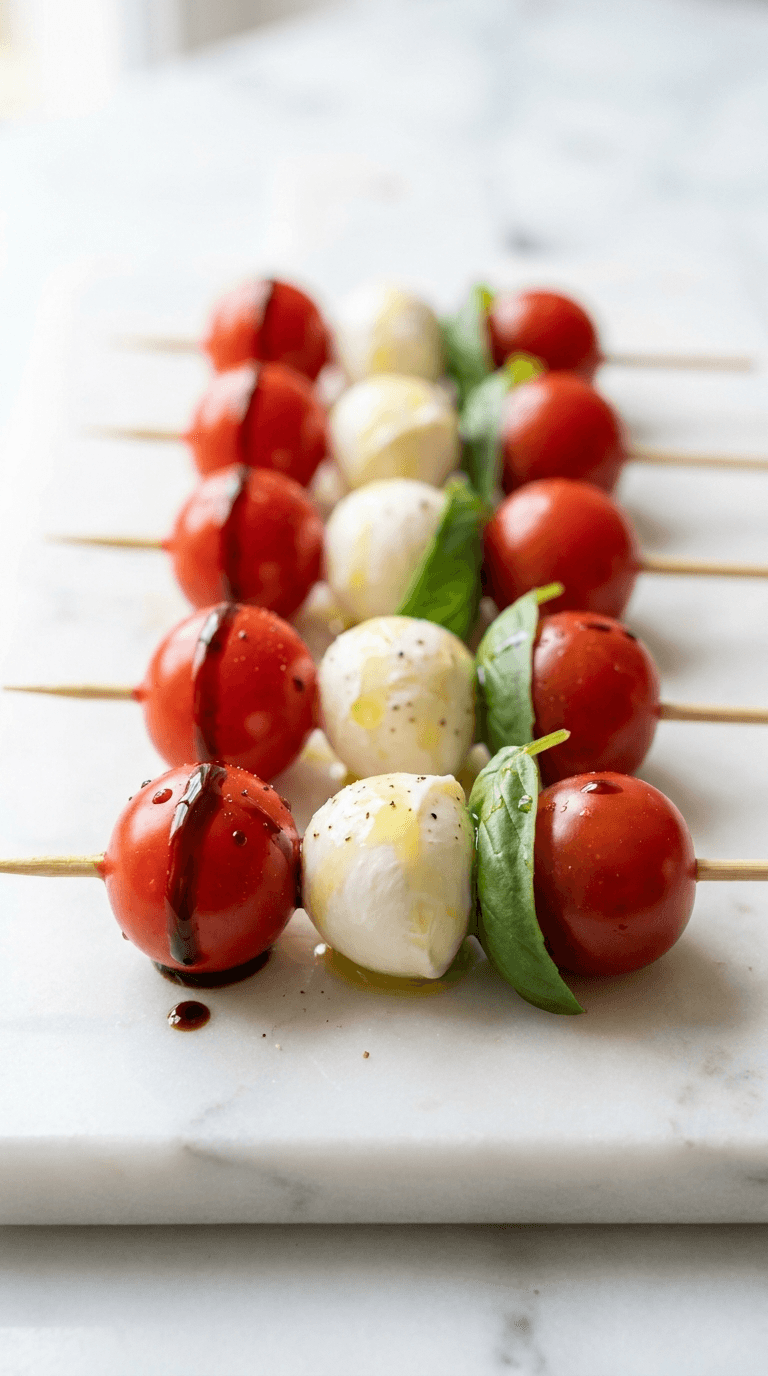
Caprese Skewers
caprese skewers: fresh mozzarella, tomatoes, and basil on a stick for easy, elegant bites. Learn more.
Dinner
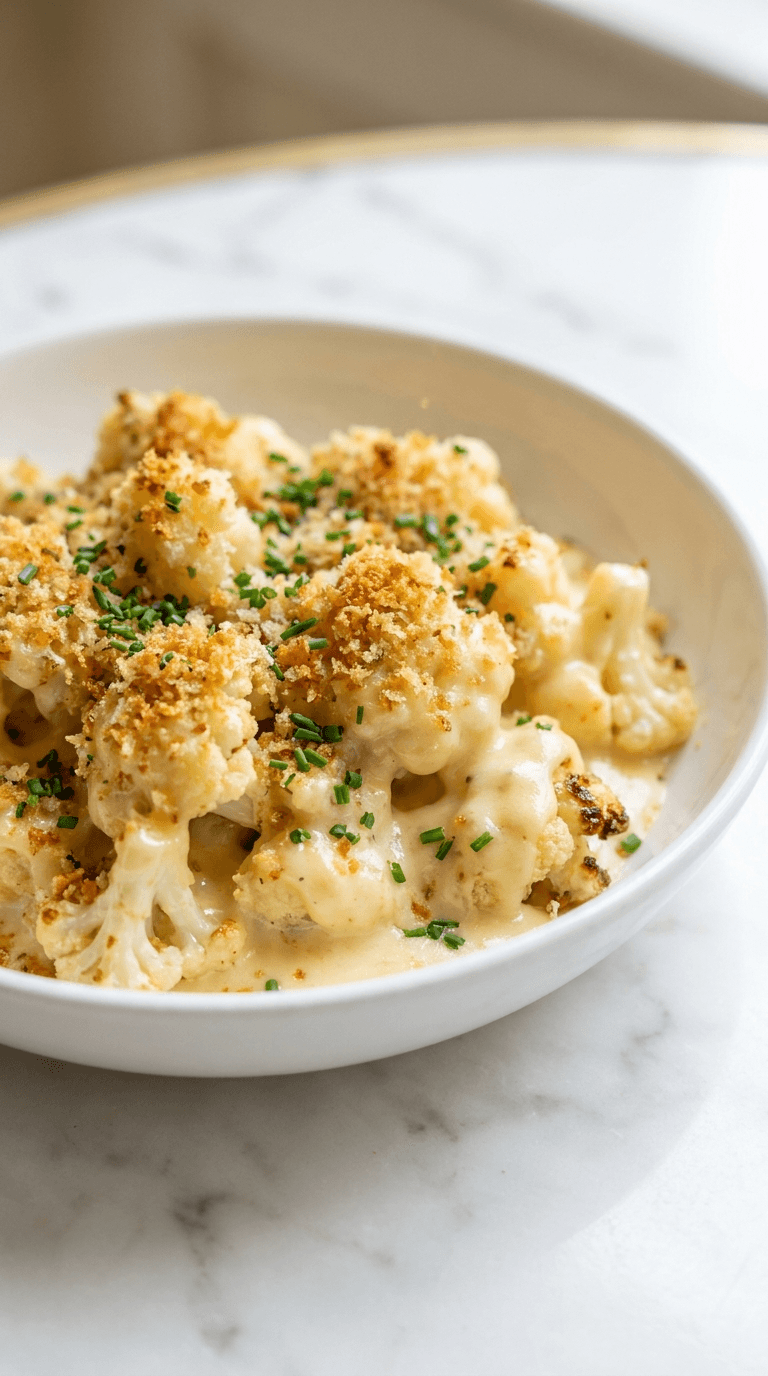
Cauliflower Mac and Cheese
Discover a creamy cauliflower mac and cheese that's comforting and lighter, with simple tips for a veggie-packed dinner.
Dinner
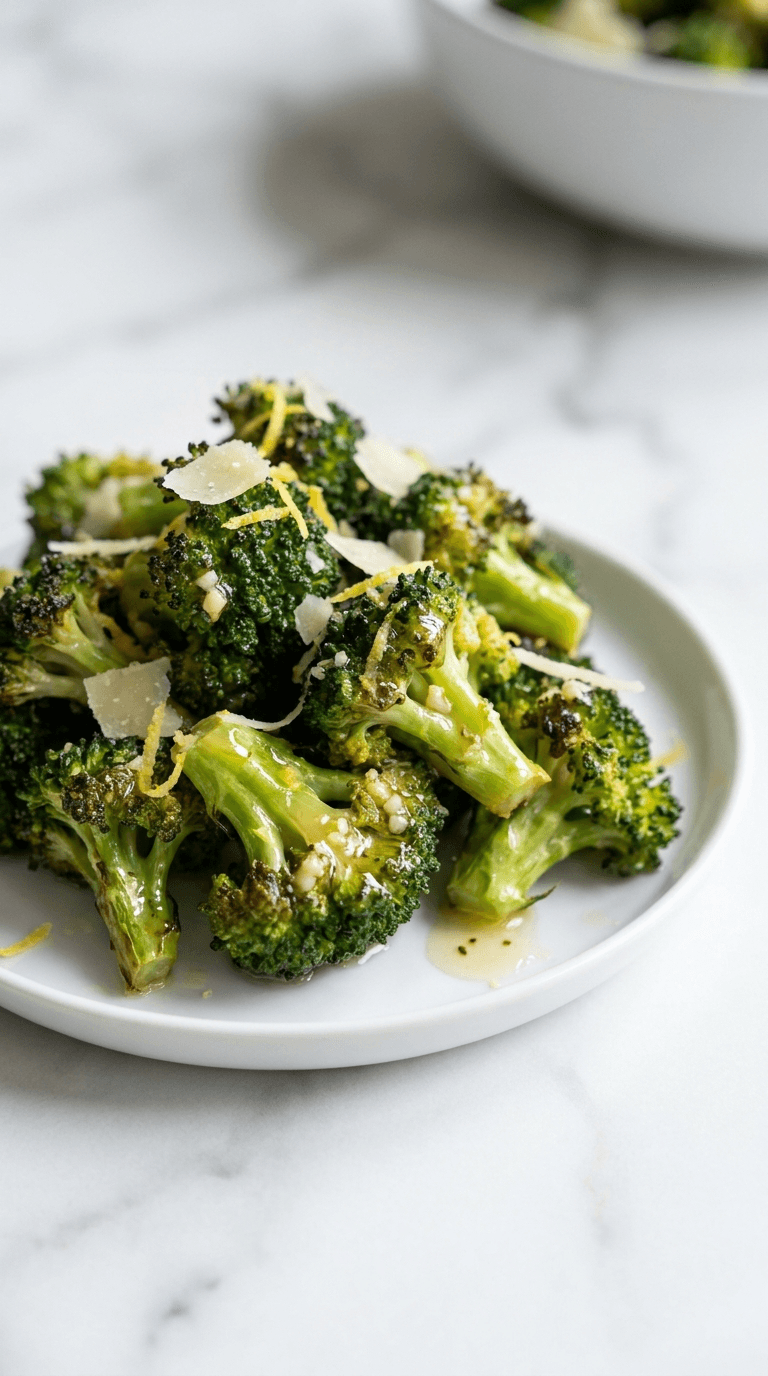
Diabetic Air Fryer Frozen Broccoli
Discover diabetic air fryer frozen broccoli that is crisp, convenient, and diabetes-friendly with minimal oil.
Dinner
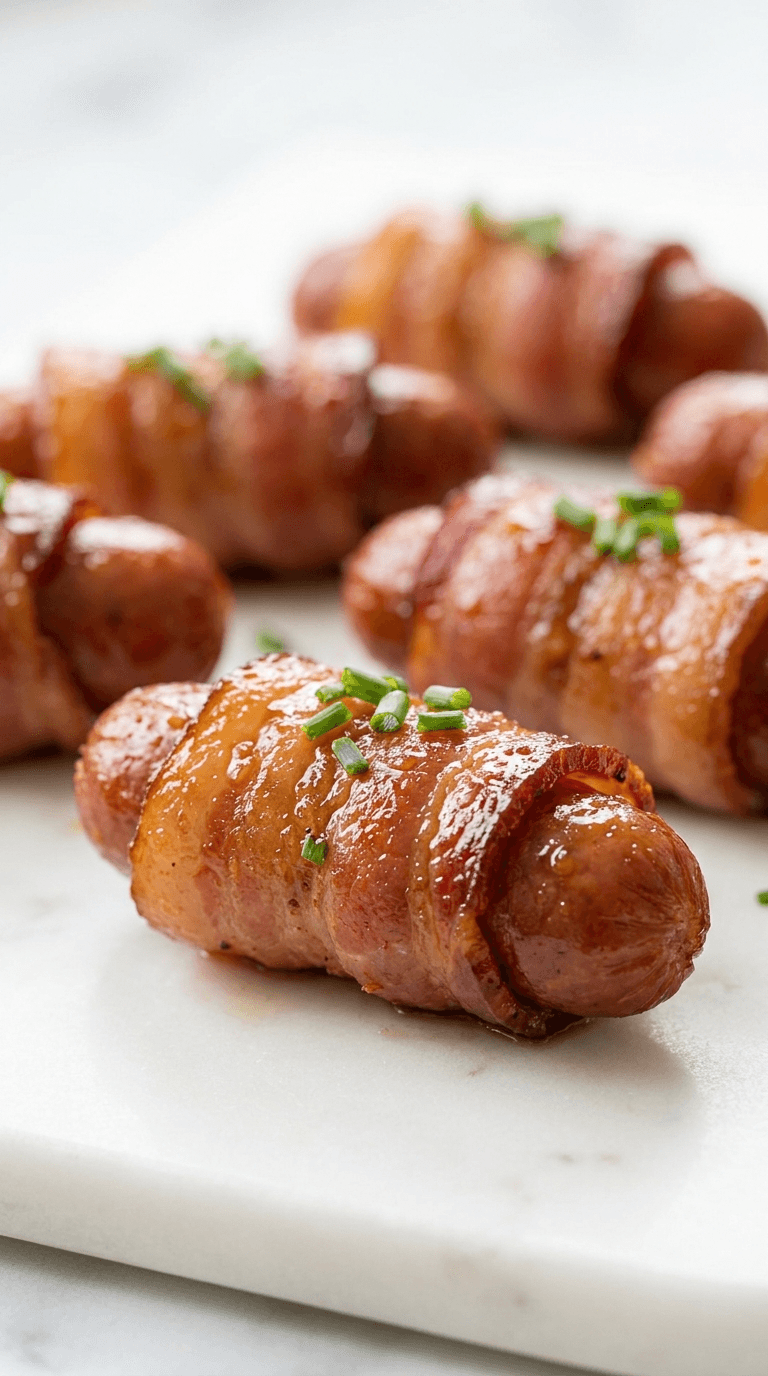
Diabetic Bacon Wrapped Smokies
Discover diabetic bacon wrapped smokies - delicious, low-carb bites that fit diabetic-friendly menus without sacrificing flavor.