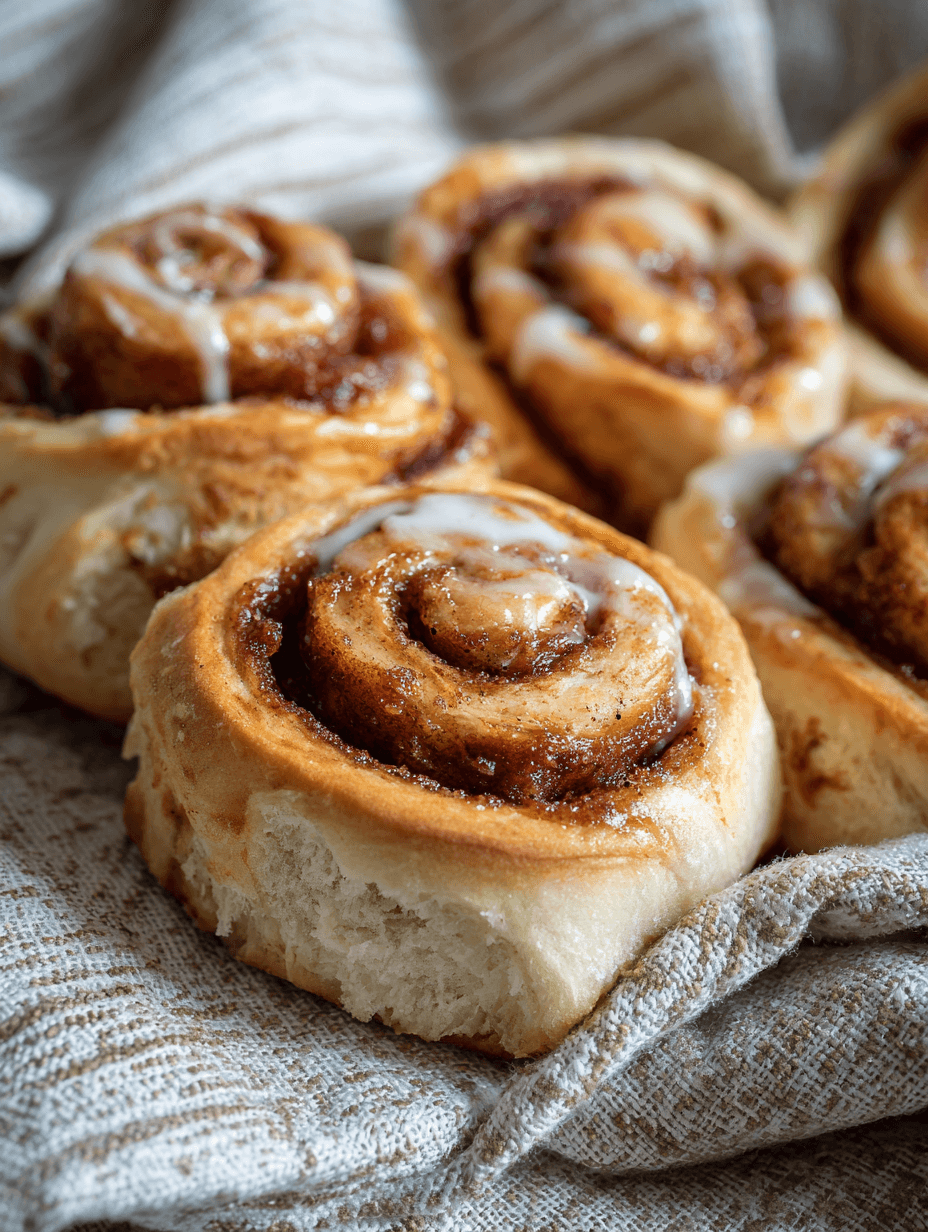
Cinnamon Rolls – Soft, Fluffy, and Bakery‑Style Right From Your Kitchen
If you’ve been craving warm, gooey cinnamon rolls that taste like they came straight from a cozy bakery, this Cinnamon Rolls recipe is for you—soft dough, buttery cinnamon sugar filling, and a silky cream cheese frosting that melts right into every swirl.
I’ve been baking homemade cinnamon rolls for more than 30 years now (I’m 50, which still surprises me more than it should), and this is the recipe my grown kids still request when they come home for a weekend. These are classic cinnamon rolls: soft, fluffy, and just sweet enough, with that nostalgic cinnamon sugar filling and a rich cream cheese icing that drips into every little crevice.
I love serving these warm cinnamon rolls on slow Saturday mornings, for holiday brunch, or as a “you made it through a rough week” treat. They’re oven baked, made from scratch with yeast for that bakery‑style texture, but the steps are simple enough for a confident beginner. You’ll get all the flavor of old‑fashioned homemade sweet rolls, without feeling like you’re chained to the kitchen all day.
Whether you’re searching for the best cinnamon rolls for Christmas morning, a cozy brunch cinnamon rolls recipe for friends, or a comforting cinnamon roll dessert, this batch has you covered.
Why These Cinnamon Rolls Are Worth Every Minute
Let me explain why this particular homemade cinnamon rolls recipe stands out from so many others online:
- Soft and fluffy, not dense – The cinnamon roll dough is enriched with milk, butter, and eggs, giving you pillowy soft sweet rolls.
- True bakery‑style results at home – Yeast cinnamon rolls with a reliable rise, tender crumb, and that signature swirl.
- Make‑ahead friendly – You can shape them the night before and bake your cinnamon rolls fresh in the morning.
- Simple, approachable steps – Clear directions so even first‑time bakers can get soft cinnamon rolls.
- Rich cinnamon sugar filling – A generous buttery cinnamon sugar layer gives you that gooey cinnamon roll center we all love.
- Cream cheese frosting that actually melts in – Not too stiff, not too runny—just the right icing for cinnamon rolls.
- Flexible timing – Bake them the same day, or rest overnight in the fridge; both methods work beautifully.
- Easy to customize – Add nuts, swap glazes, make them extra gooey, or turn them into pull apart cinnamon rolls.
And honestly? These are the kind of sweet cinnamon rolls that make the whole house smell like a hug.
What Makes These Cinnamon Rolls Special
There are a million ways to make homemade cinnamon rolls, but this version hits that sweet spot between “classic” and “weekend‑doable.”
- We use instant or active dry yeast, so you get that traditional cinnamon rolls rise.
- The dough is rich, but not so rich that it’s hard to handle—perfect for soft sweet rolls.
- The filling is heavy on cinnamon and brown sugar, which gives a deeper, almost caramelized flavor compared to white sugar alone.
- The oven baked cinnamon rolls are baked snug together, so they become a little pull apart in the pan, with those irresistible soft sides.
From a more “data‑driven” angle (yes, my kids roll their eyes when I say that), the magic here is:
- A high hydration dough (enough milk and butter) → softer crumb.
- A warm rise environment (around 75–85°F) → consistent yeast activation.
- A moderately hot bake (350°F/175°C) → golden tops without drying the centers.
Those tiny little choices separate average cinnamon pastry recipes from the ones your family keeps begging you to make again.
Ingredients for the Best Homemade Cinnamon Rolls
You likely have most of these on hand already. I’ll walk you through exactly what you need and what you can swap.
For the Cinnamon Roll Dough
- 1 cup (240 ml) warm whole milk, about 105–110°F
Whole milk gives the best flavor and tenderness; 2% works, but avoid skim if you can. - 2 ¼ teaspoons (1 packet, 7 g) instant or active dry yeast
Instant yeast rises a bit faster; active dry may need a few extra minutes. - ⅓ cup (65 g) granulated sugar
Just enough sweetness in the dough itself without overdoing it. - 2 large eggs, at room temperature
Cold eggs can slow down the yeast; set them out 30–45 minutes before. - ¼ cup (57 g) unsalted butter, melted and cooled slightly
Use real butter for classic flavor; salted butter works—just reduce added salt a touch. - 1 teaspoon fine sea salt
Balances all the sweetness and brings out the butter flavor. - 3 ½–4 cups (420–480 g) all‑purpose flour
Start at 3 ½ cups and add a little more only if the dough is too sticky. Bread flour also works for extra chewiness.
For the Cinnamon Sugar Filling
- ½ cup (113 g) unsalted butter, very soft
This should be spreadable, not melted; think room‑temperature frosting soft. - 1 cup (200 g) packed light brown sugar
Gives that gooey caramel‑like layer inside the rolls. - 2 ½ tablespoons ground cinnamon
Use a fresh, good‑quality cinnamon—Saigon or Ceylon both work beautifully. - 1 teaspoon vanilla extract (optional but lovely)
Adds warmth to the filling and makes the whole thing smell even better. - Pinch of fine sea salt
A small pinch keeps the filling from tasting “flat.”
For the Cream Cheese Frosting / Icing for Cinnamon Rolls
- 4 ounces (113 g) cream cheese, softened
Full‑fat cream cheese yields the creamiest texture. - ¼ cup (57 g) unsalted butter, softened
Again, room temp so it mixes smoothly with the cream cheese. - 1 ½ cups (180 g) powdered sugar, sifted if lumpy
Adjust up or down for thicker or thinner frosting. - 1–2 tablespoons milk or heavy cream
Milk makes a lighter icing; cream makes it richer and silkier. - 1 teaspoon vanilla extract
Classic frosting flavor that pairs perfectly with cinnamon. - Small pinch of salt
Enhances flavor and keeps the frosting from being one‑note sweet.
Optional Add‑Ins
- ½ cup chopped pecans or walnuts – sprinkle over the cinnamon sugar filling.
- ¼ teaspoon ground nutmeg or cardamom – for a slightly spiced twist in the filling.
- Orange zest (1–2 teaspoons) – mixed into the frosting for a bright, brunch‑worthy flavor.
You know what? That might look like a long list, but it’s really just dough, filling, and frosting—three little building blocks for the best cinnamon rolls.
Step‑By‑Step Directions: Cinnamon Rolls from Scratch
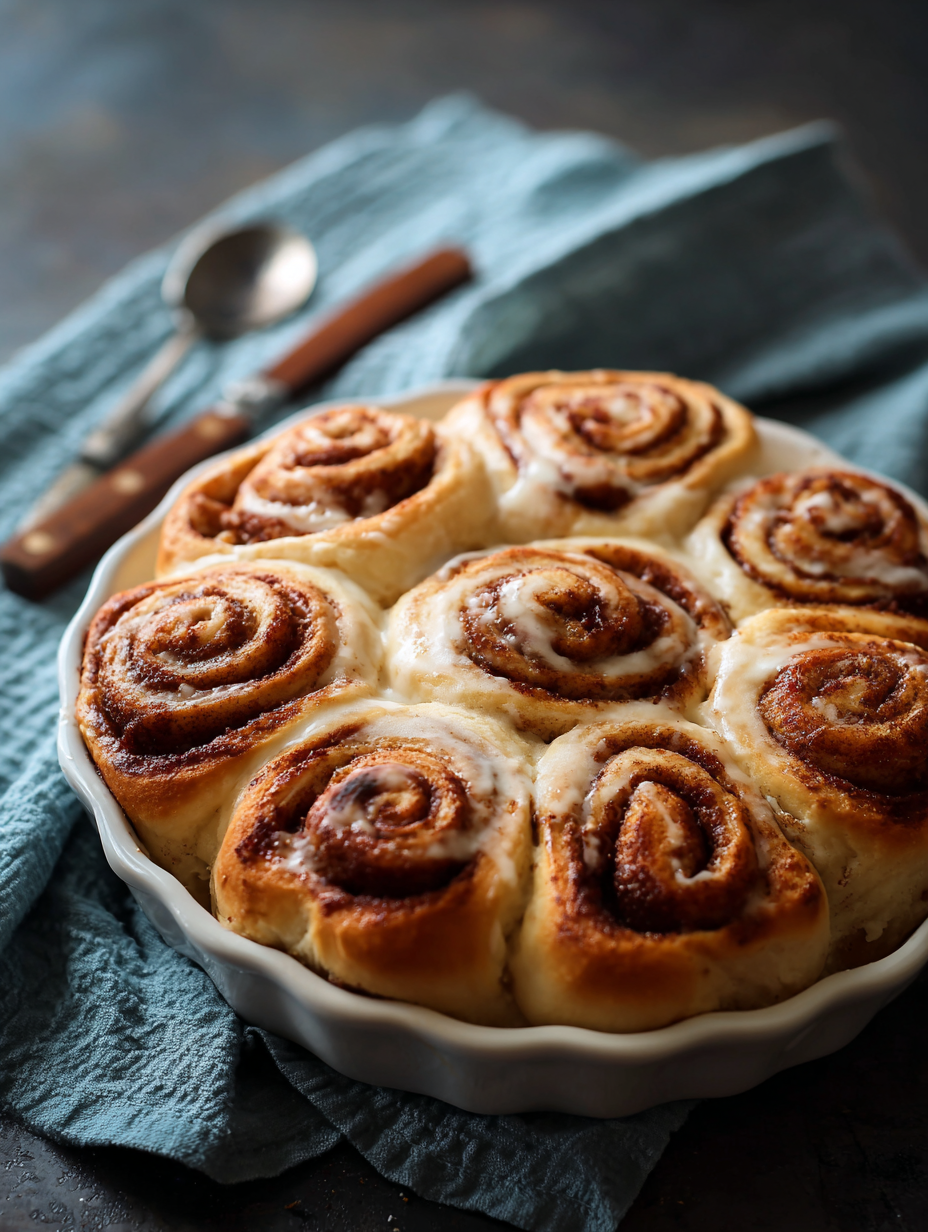
Let’s walk through it together. If you’ve never worked with yeast before, take a breath—this is absolutely manageable.
1. Warm the Milk and Wake Up the Yeast
- Warm the milk in a small saucepan or microwave until it’s about 105–110°F—warm to the touch but not hot.
- Pour the warm milk into a large mixing bowl (or the bowl of a stand mixer).
- Sprinkle the yeast and 1 tablespoon of the sugar over the milk. Stir gently and let it sit 5–10 minutes until foamy.
Tip: If the mixture doesn’t get foamy, your yeast might be old or the milk was too hot or too cool. It’s better to start over than to waste the rest of your ingredients.
2. Mix the Dough
- Add the remaining sugar, eggs, melted butter (make sure it’s not hot), and salt to the yeast mixture. Whisk until smooth.
- Add 3 ½ cups of flour and stir with a wooden spoon or use the dough hook on low speed, mixing until a shaggy dough forms.
- If the dough is still very sticky, add additional flour 1–2 tablespoons at a time. You’re looking for a soft, slightly tacky dough that pulls away from the sides of the bowl but still feels plush, not stiff.
Friendly rule of thumb: it’s better for cinnamon roll dough to be a little sticky than too dry. Dry dough means dense rolls.
3. Knead the Dough
- Knead the dough by hand on a lightly floured surface for about 8–10 minutes, or with a stand mixer on medium‑low for 5–6 minutes.
- The dough is ready when it’s smooth, stretchy, and you can gently stretch a small piece until it’s thin without tearing quickly (the “windowpane” test).
If you’re kneading by hand, think of it as your arm workout for the day. Push, fold, turn—rhythmic and kind of therapeutic.
4. First Rise (Let the Dough Rest and Puff Up)
- Lightly oil a large bowl, place the dough inside, and turn it once so it’s coated.
- Cover the bowl with a clean kitchen towel or plastic wrap.
- Let the dough rise in a warm, draft‑free spot for 1–1 ½ hours, or until doubled in size.
If your kitchen runs cool, you can set the bowl in an oven with just the oven light on, or near (not on) a warm stovetop.
5. Prepare the Cinnamon Sugar Filling
- In a medium bowl, stir together the softened butter, brown sugar, cinnamon, vanilla (if using), and pinch of salt until it forms a thick, spreadable paste.
- If you’re adding chopped nuts, set them aside for later.
Making a paste instead of sprinkling loose sugar helps you get that gooey cinnamon roll center and more even distribution.
6. Roll Out the Dough
- Once the dough has doubled, gently punch it down to release the air.
- Turn it out onto a lightly floured surface and roll it into a large rectangle, about 12 x 18 inches (30 x 45 cm). Try to keep the corners neat, but don’t stress if it’s not perfect.
If the dough keeps shrinking back, let it rest 5 minutes. That relaxes the gluten and makes rolling easier.
7. Fill and Roll Up
- Spread the cinnamon sugar filling evenly over the dough, leaving about ½ inch border on the long far edge.
- Sprinkle nuts over the filling, if using.
- Starting from the long edge closest to you, roll the dough up tightly into a log—but not so tight you squeeze out all the filling.
- Pinch the seam to seal and place the log seam‑side down.
8. Slice the Cinnamon Rolls
- Using a sharp knife or unflavored dental floss, cut the log into 12 equal pieces (about 1 ½ inches thick).
- For smaller, more “pull apart” cinnamon rolls, cut into 14–16 pieces.
- Place the rolls in a greased 9x13‑inch baking pan or a large round pan, spacing them just slightly apart.
Dental floss sounds funny, but it cuts cleanly through soft dough without squishing the layers—just slide underneath, cross the ends on top, and pull.
9. Second Rise (Proof the Shaped Rolls)
- Cover the pan with plastic wrap or a towel and let the rolls rise 30–45 minutes, or until puffy and nearly doubled.
- For overnight cinnamon rolls, cover tightly and refrigerate up to 12–14 hours. In the morning, let them sit at room temperature for 45–60 minutes before baking.
10. Bake the Cinnamon Rolls
- Preheat your oven to 350°F (175°C).
- Bake the rolls for 20–25 minutes, until the tops are lightly golden and the centers register about 190°F on an instant‑read thermometer.
- For softer, gooier cinnamon rolls, lean toward the shorter bake time.
- If the tops brown too quickly, tent the pan loosely with foil for the last 5–10 minutes.
Remember: overbaking is the quickest way to lose that fluffy cinnamon rolls texture.
11. Make the Cream Cheese Frosting
- While the rolls bake, beat the softened cream cheese and butter together in a medium bowl until smooth and creamy.
- Add powdered sugar, vanilla, and a pinch of salt. Beat again, adding 1–2 tablespoons of milk or cream a little at a time until the icing for cinnamon rolls reaches your desired consistency—thick but spreadable.
- Taste and adjust; if you like a tangier frosting, you can add a touch more cream cheese.
12. Frost While Warm and Serve
- Let the warm cinnamon rolls cool in the pan for about 5–10 minutes.
- Spread about half the cream cheese frosting over the warm rolls so it melts into the swirls.
- Once they’ve cooled slightly more (if you can wait), add the remaining frosting for that bakery‑style glazed cinnamon rolls look.
Serve warm, with coffee, tea, or a big glass of cold milk. These are heavenly as breakfast cinnamon rolls, brunch cinnamon rolls, or an afternoon cinnamon roll dessert.
Servings & Timing
- Yield: About 12 large cinnamon rolls
- Prep Time: 30–40 minutes (hands‑on, including shaping)
- Rise Time: 1 ½–2 hours total (or overnight in the fridge for the second rise)
- Bake Time: 20–25 minutes
- Total Time: About 3 hours same‑day, or break it up with the overnight method
It sounds like a lot on paper, but most of that is the dough resting while you do other things—like actually enjoy your morning.
Fun Variations on Classic Cinnamon Rolls
Once you’ve made the base recipe, here are some easy ways to change things up while still keeping that soft, fluffy cinnamon rolls texture:
- Orange Cinnamon Rolls – Add 1–2 tablespoons orange zest to the dough and frosting, and swap some of the milk in the icing with orange juice.
- Extra Gooey Cinnamon Rolls – Pour ¼ cup warm heavy cream over the shaped rolls just before baking for ultra gooey cinnamon rolls.
- Pecan Sticky Pull Apart Cinnamon Rolls – Scatter chopped pecans and a couple tablespoons of brown sugar in the bottom of the pan before adding the rolls.
- Maple Glazed Cinnamon Rolls – Replace some powdered sugar with pure maple syrup in the frosting and skip the cream cheese if you want a lighter glaze.
- Cinnamon Roll Dessert Skillet – Bake the rolls in a cast‑iron skillet and serve warm with vanilla ice cream.
- Lighter Glazed Cinnamon Rolls – Use a simple glaze of powdered sugar, milk, and vanilla instead of cream cheese frosting for a less rich topping.
Storage, Freezing & Reheating Tips
One of the best things about these homemade cinnamon rolls is how well they keep—if you manage not to eat them all the first day.
Room Temperature
- Store cooled rolls tightly covered at room temperature for up to 2 days.
- If your kitchen is warm or humid, keep them in the fridge after the first day.
Refrigerator
- Store frosted or unfrosted cinnamon rolls in an airtight container in the fridge for 3–4 days.
- Reheat individually in the microwave for 15–25 seconds, or warm the whole pan, covered with foil, in a 300°F oven for about 10–15 minutes.
Freezer (Baked Rolls)
- Let baked cinnamon rolls cool completely.
- Wrap individually or the entire pan tightly in plastic wrap, then in foil, and freeze for up to 2 months.
- Thaw overnight in the fridge and reheat gently as above. Add a fresh drizzle of frosting if desired.
Freezer (Unbaked Rolls)
- Assemble the rolls and place them in the pan. Let them rise just slightly (about 20 minutes), then cover tightly and freeze.
- When ready to bake, thaw in the fridge overnight, then bring to room temperature and let them finish rising (45–60 minutes) before baking.
Make‑Ahead Strategy for Busy Mornings
For holiday mornings or brunch with guests, I recommend:
- Make the dough, fill, roll, and slice the cinnamon rolls the night before.
- Cover the pan well and refrigerate.
- Next morning, bring them out, let them sit on the counter while the oven preheats and you make coffee, then bake fresh.
You still get warm cinnamon rolls without wrestling flour and yeast at 6 a.m.
Notes from My Kitchen (What I Learned Testing This Recipe)
- Flour is flexible, not absolute – Humidity, brand, even how you scoop can change how much flour you need. Use the range as a guide but trust how the dough feels.
- Don’t rush the rise – If your kitchen is on the chilly side, your yeast cinnamon rolls might need longer to puff. Give them time; a slow rise often means better flavor.
- Check the middle rolls – The center rolls can take a minute or two longer than the edges. Light golden tops and a 190°F internal temp are your friends.
- Frosting timing matters – Spreading some cream cheese icing on when they’re warm helps it seep in, while a second layer later gives that classic glazed look.
- Use fresh cinnamon – Ground cinnamon loses its punch over time. If yours has been sitting in the pantry for years, treat yourself to a new jar—you’ll taste the difference.
- Stand mixer vs. hands – A stand mixer makes the dough easier, but hand‑kneaded cinnamon roll dough can feel more intuitive—you’ll really learn what “soft and elastic” means.
Honestly, the first time you make from scratch cinnamon rolls, it feels like a little project. The second time, it starts to feel like a habit. And a very tasty one.
FAQs About Homemade Cinnamon Rolls
1. Can I make these cinnamon rolls without a stand mixer?
Yes—just mix the dough with a wooden spoon and knead by hand for 8–10 minutes on a lightly floured surface until smooth and elastic.
2. How do I know if I’ve added too much flour?
If the dough feels stiff, dry, or cracks when you stretch it, you’ve gone a bit far; next time, stop adding flour when it’s still slightly tacky but not wet.
3. My cinnamon rolls didn’t rise—what went wrong?
Most often it’s inactive yeast or liquids that were too hot or too cold, or a very cold kitchen; always check yeast freshness and aim for a warm, cozy rise spot.
4. Can I use this dough for other homemade sweet rolls?
Absolutely—this cinnamon roll dough works well for orange rolls, chocolate chip sweet rolls, or even simple glazed sweet rolls with a vanilla sugar filling.
5. How can I make these cinnamon rolls a little healthier?
You can swap half the all‑purpose flour for white whole wheat flour, use a bit less sugar in the filling, or frost lightly with a thinner glaze instead of full cream cheese frosting.
6. Why are my cinnamon rolls dry?
Usually they were either overbaked or the dough had too much flour; next time, bake just until lightly golden and keep the dough soft and slightly sticky before rising.
7. Can I make quick cinnamon rolls without yeast?
You can make biscuit‑style “quick cinnamon roll” recipes with baking powder, but they won’t have the same fluffy, pull apart texture as these traditional yeast cinnamon rolls.
8. Should I refrigerate leftover frosted cinnamon rolls?
If you’ll eat them within a day, they’re fine covered at room temp; beyond that, store them in the fridge and reheat gently before serving.
Wrapping It Up: Warm, Gooey, and Worth It
These classic cinnamon rolls bring together everything I love in a cozy bake: a soft, pillowy dough, a rich cinnamon sugar filling, and a silky cream cheese frosting that melts into every swirl. They’re perfect as breakfast cinnamon rolls for a special morning, an impressive brunch centerpiece, or a sweet cinnamon roll dessert when you want to spoil someone a little.
If you try these cinnamon rolls, I’d love to hear how they turn out—tell me your tweaks, your victories, and even your “learning moments.” And if you’re in the mood for more cozy baking, you might enjoy exploring other homemade sweet rolls or simple cinnamon pastry recipes next.
Now go warm up that oven—you’ve got some gorgeous, fluffy cinnamon rolls to make.
Read next
Desserts Baking
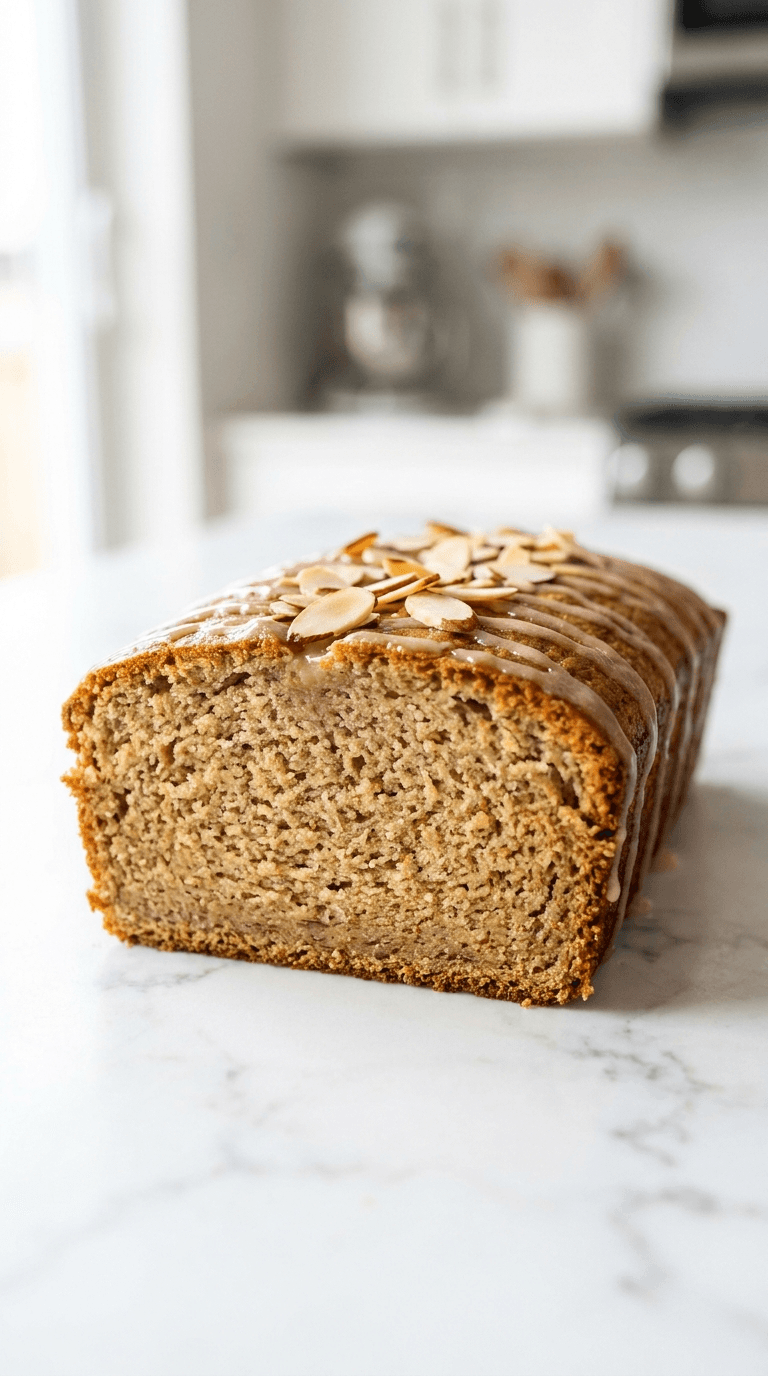
Almond Flour Banana Bread
Discover a moist, wholesome almond flour banana bread that's easy to bake and gluten-friendly.
Desserts Baking
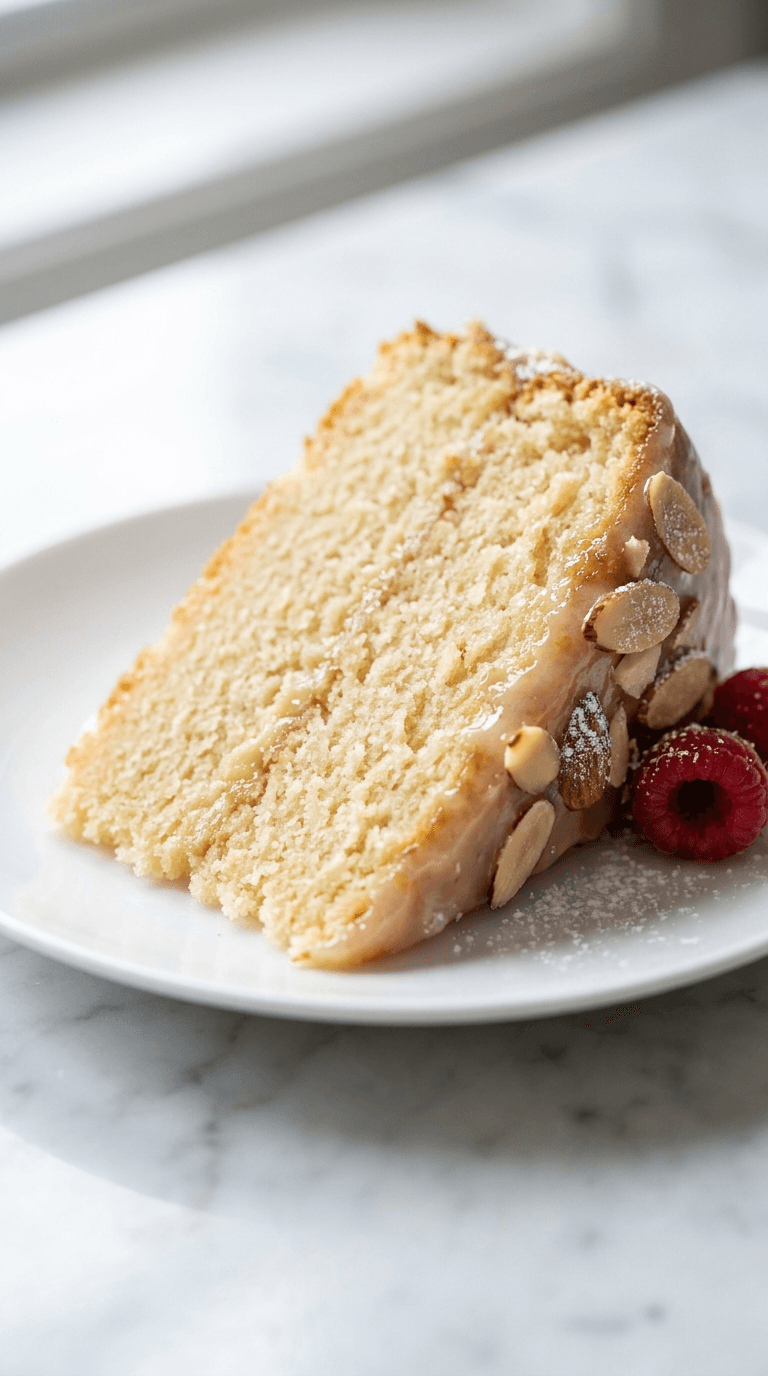
Almond Flour Birthday Cake
Discover an almond flour birthday cake that is moist, easy to bake, and naturally gluten-free. Learn tips for perfect texture and flavor.
Desserts Baking
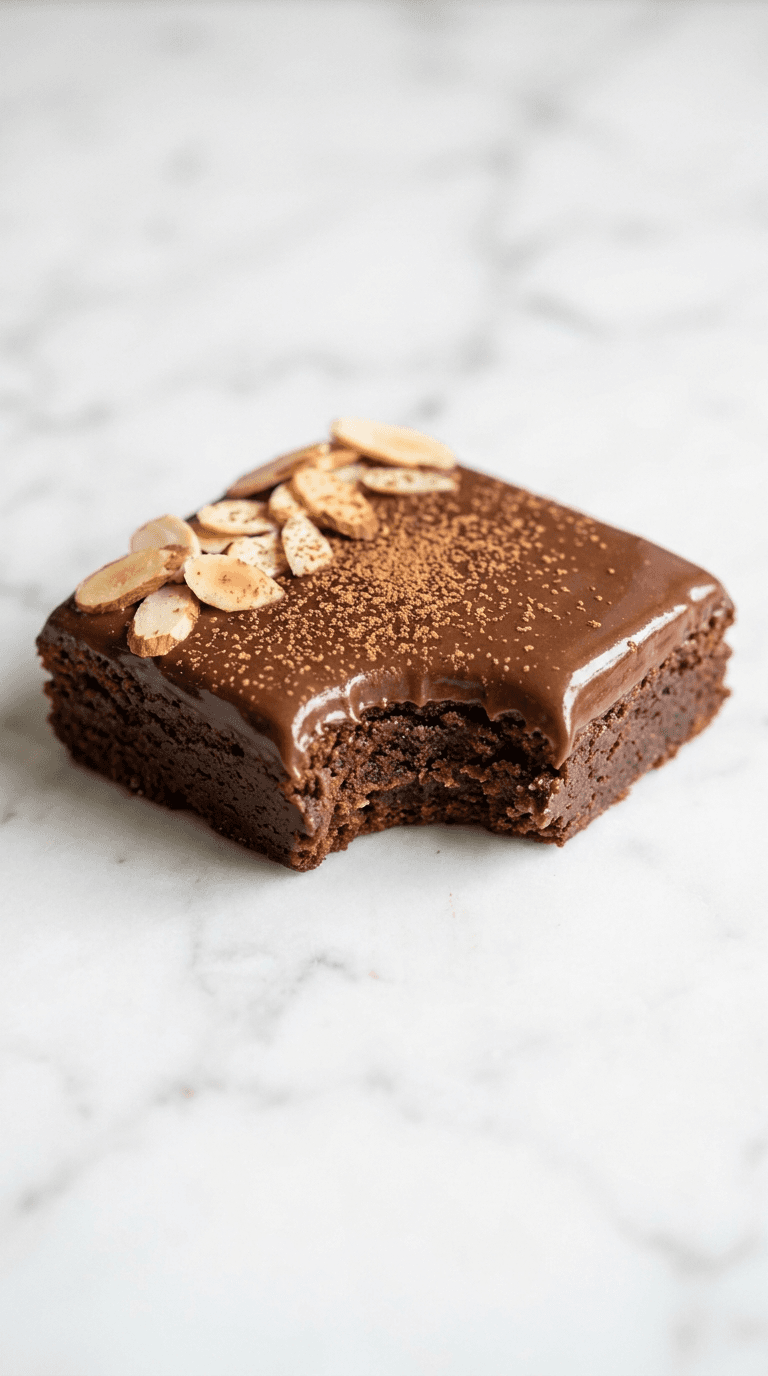
Almond Flour Brownies
Discover almond flour brownies that are fudgy, gluten-free, and easy to make with simple pantry ingredients.
Desserts Baking
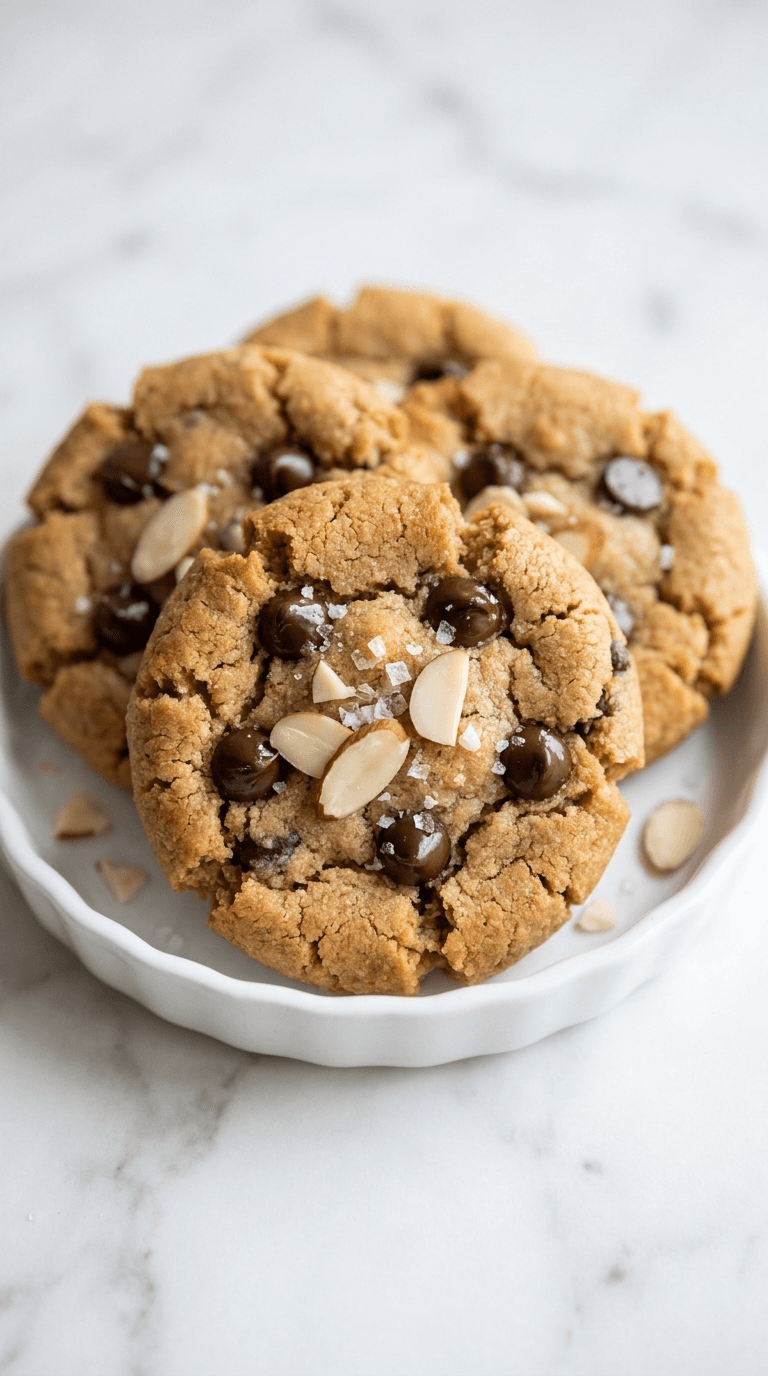
Almond Flour Chocolate Chip Cookies
Discover almond flour chocolate chip cookies that are gluten-free, soft, and indulgent with fewer carbs.
Desserts Baking
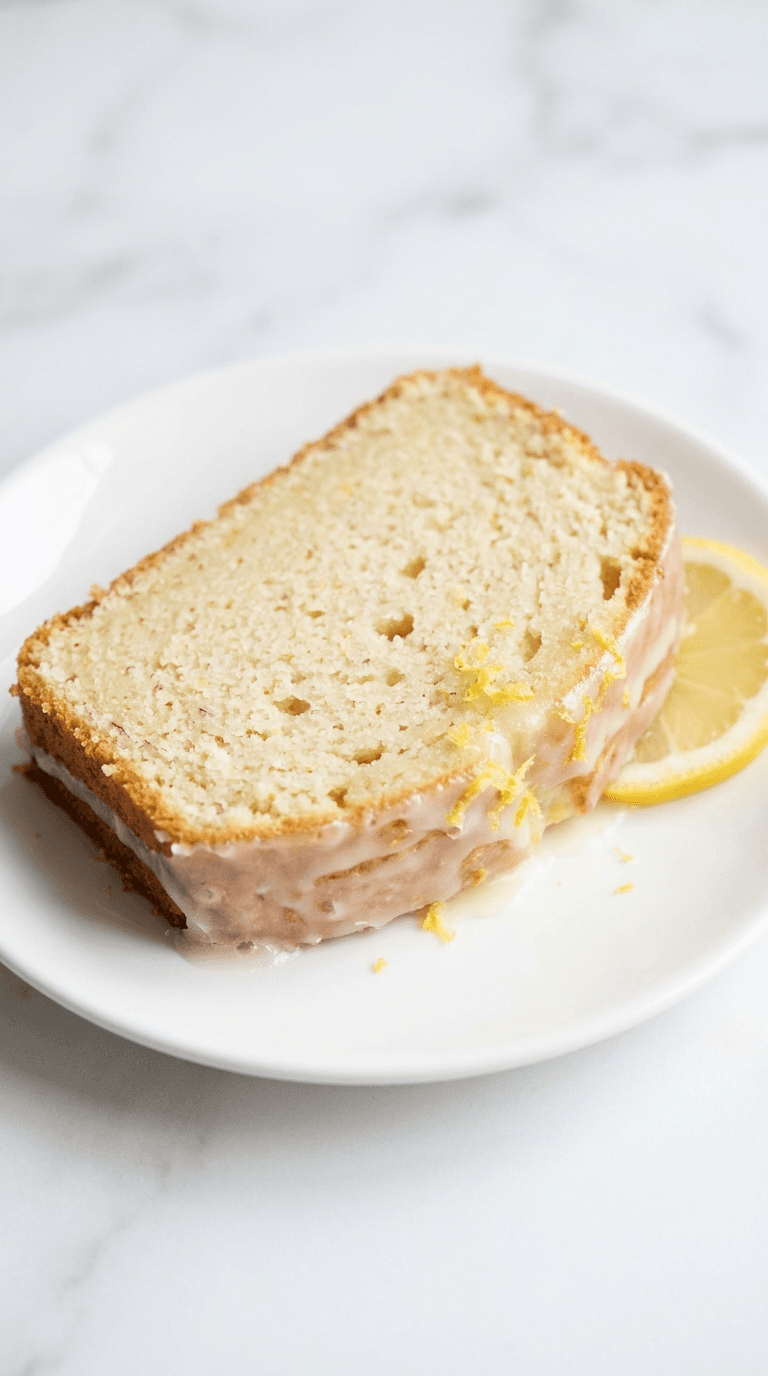
Almond Flour Lemon Pound Cake
Discover a light almond flour lemon pound cake that's moist, bright, and easy to bake with lemon zest and subtle sweetness.
Desserts Baking
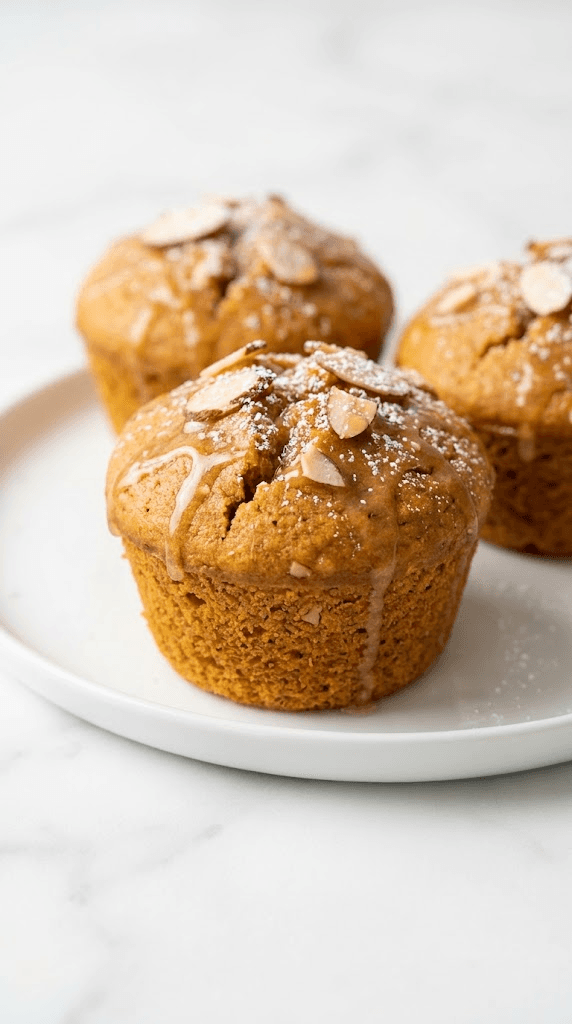
Almond Flour Pumpkin Muffins
Discover almond flour pumpkin muffins: moist, gluten-free treats with cozy pumpkin spice and simple ingredients.