
Coconut Milk Ube Agar Agar Jelly Dessert
If you love creamy coconut, jewel-toned desserts, and no-fuss recipes, this Coconut Milk Ube Agar Agar Jelly Dessert is about to become your new favorite make-ahead treat—no oven, no dairy, and absolutely perfect for parties or a quiet weeknight sweet tooth.
What Is Coconut Milk Ube Agar Agar Jelly Dessert?
This Coconut Milk Ube Agar Agar Jelly Dessert is a light, bouncy, vegan jelly made with coconut milk, ube (purple yam), and agar agar instead of gelatin. It’s a twist on classic Filipino ube desserts and coconut jelly (gulaman), all layered into one gorgeous purple-and-white treat.
Think of it as a cross between panna cotta, Filipino buko pandan-style jelly, and that nostalgic gelatin dessert many of us grew up with—only this version is dairy-free and uses agar agar, a seaweed-based gelling agent. That makes it a lovely non dairy jelly dessert and a fantastic vegan ube jelly dessert for guests who skip gelatin.
I love serving this ube coconut jelly dessert in spring and summer when it’s hot outside and nobody wants to turn on the oven. It’s also a showstopper on holiday tables, especially Easter and Christmas, when that striking purple coconut jelly dessert stands out between all the beige pies and brown cookies. And if you’re Filipino or have Filipino family or friends, you know ube is beloved year-round in ice cream, cakes, and halaya—so this agar agar Filipino dessert fits right in with those flavors, just in a lighter, jiggly format.
You can cut it into cubes, diamonds, or little bars, or pour it into molds for fun shapes. My grandchildren love the star-shaped ones. I usually make a tray the night before a gathering, let it set in the fridge, then slice and plate it right before serving. It’s low effort, very forgiving, and honestly, it tastes like a tropical vacation in bite-sized form.
Why You’ll Love This Recipe
- No oven needed – This is a completely no-bake coconut milk agar agar dessert, perfect for hot days or tiny kitchens.
- Dairy-free and vegan – Agar agar and coconut milk mean no gelatin and no dairy, so more guests can enjoy it.
- Eye-catching purple color – Thanks to ube, this purple yam jelly dessert looks stunning on any dessert table.
- Light but satisfying – Not too rich, not too heavy; a small piece of this ube coconut milk jelly hits the spot after a big meal.
- Easy to customize – You can tweak sweetness, layering, and even flavor add-ins like pandan or vanilla without fuss.
- Make-ahead friendly – Sets in the fridge and holds beautifully, ideal for parties, potlucks, or meal prep treats.
- Kid-friendly texture – That soft bounce of ube agar agar jelly is fun to eat and not as wobbly as gelatin.
- Versatile serving – Serve as cubes, bars, or molded shapes; add it to fruit salads or halo-halo-style desserts.
- Naturally gluten-free – This coconut milk ube dessert is great if you’re avoiding gluten.
- Simple pantry ingredients – Ube extract or ube halaya, coconut milk, sugar, and agar agar are the main players—nothing fussy.
Ingredients for Coconut Milk Ube Agar Agar Jelly Dessert
You don’t need anything fancy for this ube coconut dessert recipe—just a few pantry-friendly Asian jelly dessert staples. Measurements below make about 16–20 small pieces, depending on how you cut them.
For the Coconut Layer (White Layer)
- 1 can (13.5–14 oz / about 400 ml) full-fat coconut milk
- Use full-fat for the best creamy coconut milk jelly dessert texture; “light” coconut milk will be softer and less rich.
- 1 cup (240 ml) water
- 4 teaspoons agar agar powder (about 8–10 g, check package; some brands are stronger)
- 1/3–1/2 cup (65–100 g) granulated sugar, to taste
- I like 1/3 cup for a lightly sweet Filipino coconut jelly; use 1/2 cup if you prefer it sweeter.
- 1/4 teaspoon fine sea salt
- A tiny bit of salt sharpen the coconut flavor and keeps the coconut milk from tasting flat.
- 1 teaspoon vanilla extract (optional but lovely)
For the Ube Layer (Purple Layer)
- 1 1/4 cups (300 ml) water
- 1 cup (240 ml) coconut milk (you can use the remaining from a second can or top up with water for a lighter layer)
- 4 teaspoons agar agar powder
- 1/3–1/2 cup (65–100 g) granulated sugar, to taste
- 1/3–1/2 cup (80–120 g) ube halaya (prepared sweetened purple yam jam)
- If you don’t have ube halaya, use 1–1 1/2 teaspoons ube extract plus an extra 2–3 tablespoons sugar.
- 1–1 1/2 teaspoons ube extract
- This enhances both color and flavor; adjust based on strength of your brand.
- Pinch of salt
Optional Garnishes
- Light sprinkle of toasted coconut flakes
- Thin slices of fresh coconut (if you can find young coconut/meat)
- A few cubes of fresh mango or lychee on the side
Ingredient Notes & Tips
- Agar agar powder vs. bars vs. flakes – This recipe uses agar agar powder, which dissolves quickly and sets more firmly than gelatin. Different brands vary, so if you’ve never used yours before, you might test with a small batch first. If your jelly sets too hard, reduce the agar slightly next time.
- Coconut milk brands – I like Aroy-D or Chaokoh for consistent, creamy coconut milk in coconut ube gulaman dessert. Shake the can well before opening because the cream tends to separate.
- Sweetness level – Filipino ube dessert recipes can be quite sweet, but this version is on the moderately sweet side. Taste the mixture (careful, it’s hot) before pouring into the pan and adjust sugar slightly.
- Ube halaya vs. ube extract – Ube halaya gives body and a mellow, earthy flavor—great if you want a pudding-like taste. Ube extract gives strong color and aroma without changing texture as much. I often use a mix of both for the perfect ube coconut dessert recipe balance.
Directions: How to Make Coconut Milk Ube Agar Agar Jelly Dessert
You’ll cook each layer briefly on the stove, then let them set in a pan. It sounds more complex than it is—once you’ve done it once, you’ll see how easy it is.
1. Prepare your pan and tools
Lightly grease an 8x8-inch (20x20 cm) square baking pan or a similar dish with a very thin film of neutral oil, then wipe out any visible excess with a paper towel. This makes it easier to release the ube coconut jelly dessert later without affecting flavor. Have a small heatproof spatula and a ladle ready.
2. Make the coconut (white) layer mixture
In a medium saucepan (off the heat), whisk together water and agar agar powder for the coconut layer. Let it sit for 2–3 minutes to hydrate. This helps the agar dissolve more evenly and avoids clumps in your coconut milk agar agar.
3. Cook the coconut layer
Place the pan over medium heat. Bring the agar-water mixture to a gentle boil, stirring often. Once it reaches a full boil, cook for 2–3 minutes, stirring constantly, until the agar is fully dissolved (you shouldn’t see any grains or specks). Add coconut milk, sugar, salt, and vanilla, then stir until the sugar dissolves and the mixture is steaming. Don’t let it boil hard once the coconut milk is in; a light simmer is fine.
4. Adjust sweetness and keep warm
Taste the coconut mixture carefully—blow on your spoonful because hot agar can burn. Add a little more sugar if needed. Keep the pot over the lowest heat or turn it off but leave it covered; agar sets as it cools, so we want it fluid while we prep the pan.
5. Pour the first coconut layer
Pour about half of the coconut mixture into your prepared pan (roughly 1–1 1/4 cups). Tilt the pan gently so it spreads evenly. Let it cool at room temperature for about 10–15 minutes until just set but still slightly warm—when you touch it lightly, your finger should come away clean and the surface should feel bouncy, not liquid.
Tip: If your kitchen is very cold, it may set quickly. If it’s hot, you can slide the pan into the fridge for 5 minutes, but don’t overchill or the layers may separate.
6. Make the ube (purple) layer mixture
While the first coconut layer is setting, combine water and agar agar powder for the ube layer in a clean saucepan. Let it sit for 2–3 minutes to hydrate. Then cook over medium heat, stirring, until it reaches a gentle boil. Continue boiling for 2–3 minutes, stirring constantly, to fully dissolve the agar.
7. Add coconut milk, ube, and flavoring
Reduce heat to low, then whisk in coconut milk, sugar, salt, ube halaya (if using), and ube extract. Stir well to break up any chunks of halaya; you want a smooth, evenly purple ube agar jelly recipe base. If you like, you can blend this mixture with an immersion blender for an ultra-smooth texture. Heat just until steaming and sugar is fully dissolved.
8. Cool the ube layer briefly
Turn off the heat and let the ube mixture sit for 3–5 minutes, stirring occasionally. You want it hot but not scalding when you pour it over the first layer. If it’s too hot, it can melt the layer underneath; too cool, and it will start to gel in the pot.
9. Add the ube layer over the coconut layer
Check your coconut layer—it should be set and not liquid at all. Using a ladle or pouring slowly near a corner, gently pour about half of the ube mixture over the white layer. Pouring slowly and close to the surface helps avoid making holes. Let this purple yam jelly dessert layer set for another 10–15 minutes until firm to the touch.
10. Repeat the layers (optional but pretty)
If you want a four-layer jelly (coconut–ube–coconut–ube), gently reheat both remaining mixtures if they’ve thickened; whisk over low heat until fluid but not boiling. Then:
- Pour the remaining coconut mixture over the set ube layer; let it firm up.
- Finish with the remaining ube mixture on top; let it set again.
If you prefer a simpler two-layer coconut milk ube dessert, just do one coconut layer and one ube layer and increase each pour amount.
11. Chill until fully set
Once all layers are in and at room temperature, cover the pan loosely with plastic wrap (don’t press it onto the surface) and refrigerate for at least 2 hours, or until the Coconut Milk Ube Agar Agar Jelly Dessert is cold and fully firm.
12. Slice and serve
Run a thin knife around the edge of the pan. Gently invert onto a cutting board or lift slices out directly. Cut into neat squares, diamonds, or bars. Wipe your knife with a damp cloth between cuts for sharp edges. Garnish with toasted coconut flakes or fresh fruit if you like. Serve chilled and enjoy that beautiful purple-and-white contrast.
Servings & Timing
- Yield: About 16–20 pieces, depending on how you slice (more if you cut small party bites)
- Prep Time: 20–25 minutes active time
- Cook Time: 15–20 minutes on the stove
- Chill/Set Time: 2–3 hours in the fridge
- Total Time: About 3 hours 15 minutes (most of this is hands-off chilling time)
If you’re making this for a party, I recommend preparing it the night before. That way, you’re not worrying about whether the ube coconut milk jelly has set while you’re trying to finish the rest of your spread.
Fun Variations to Try
Once you’re comfortable with this base coconut milk ube agar agar jelly dessert, it’s very easy to play around with.
- Pandan Coconut Twist – Replace vanilla in the coconut layer with 1 teaspoon pandan extract for a fragrant, green-and-purple Asian jelly dessert recipe.
- Mango Ube Jelly – Swirl in 1/2 cup finely diced ripe mango into the ube layer for a bright, fruity ube coconut jelly dessert.
- Extra Creamy Layer – Swap 1/3 of the coconut milk in either layer with coconut cream for a richer coconut milk gelatin dessert texture.
- Layered Fruit Salad Style – Pour jelly layers into individual cups and add small pieces of lychee or nata de coco for a halo-halo-inspired Filipino coconut jelly treat.
- Low-Sugar Version – Reduce sugar by 25–30% and use ube extract instead of sweetened ube halaya; still delicious, just a bit more subtle.
- Single-Layer Jelly – Skip the layering and mix coconut milk and ube into one pan for an easier, marbled ube coconut dessert recipe that you can make on a busy weeknight.
Storage & Make-Ahead Tips
- Fridge storage: Store sliced Coconut Milk Ube Agar Agar Jelly Dessert in an airtight container in the refrigerator. It keeps well for 4–5 days. Place parchment paper between layers if you stack them, so they don’t stick.
- Freezer: Agar agar doesn’t freeze as well as gelatin; freezing can change the texture and make it crumbly, so I don’t recommend it for this non dairy jelly dessert.
- Serving from the fridge: Jelly tastes best when chilled but not icy cold. If your fridge runs very cold, let the pieces sit at room temperature for about 5–10 minutes before serving.
- Make-ahead: You can make the entire dessert 1–2 days in advance. Keep it unsliced in the pan, tightly covered, then cut just before guests arrive for the cleanest edges and freshest look.
- Leftovers: Leftover pieces are wonderful chopped and added to fruit cocktails or simple coconut water for a refreshing Filipino-style jelly drink.
Notes From My Kitchen (What I Learned Testing This Recipe)
- Agar sets faster than you think. The first time I tested this ube agar jelly recipe, I walked away “for just a second” and came back to a pot of almost-solid jelly. Keep an eye on the pot and keep it warm and fluid while you layer, or gently rewarm it if it starts to thicken.
- Layer temperature matters. If the second layer is too hot, it can melt into the first; if it’s too cool, you’ll get air pockets or the layers won’t bond. Aim for “hot bath” warm—hot to the touch but not boiling—when pouring.
- Don’t skimp on the sugar at first. Cold desserts taste less sweet than warm ones. If you taste the mixture warm and it’s just barely sweet, it might taste a bit flat once chilled; add a tablespoon or two more sugar if you’re unsure.
- Use a good ube extract. Different brands vary a lot. Some only give color, others give both deep aroma and flavor. I’ve had good luck with McCormick Ube Flavor (very accessible) and certain Filipino grocery brands.
- Pan size is flexible. You can use a 9x9-inch pan for slightly thinner jelly, or even a loaf pan for thicker slices. Just remember that thicker layers take a little longer to set.
- Oil lightly, not heavily. Too much oil in the pan can cause a slick surface and affect how the agar agar Filipino dessert grips the pan edges. A very thin film is all you need.
FAQs About Coconut Milk Ube Agar Agar Jelly Dessert
1. Can I use gelatin instead of agar agar?
You can, but the texture will be softer and less bouncy, and it won’t be vegan. Agar agar also sets at room temperature, while gelatin needs refrigeration, so you’d need to adjust bloom and chilling times. If you want that classic firm Asian jelly dessert recipe texture, stick with agar.
2. My jelly came out too firm. What happened?
Most likely, there was a bit too much agar agar, or the brand you used is stronger. Next time, reduce the agar by 1/2–1 teaspoon total. You can also add a touch more water or coconut milk to soften the set.
3. Why did my layers separate when I sliced them?
Usually that means the bottom layer was too cold and firm, and the new layer was poured on when it was already gelling in the pot—or not warm enough to bond. Make sure the layer in the pan is just set, and the mixture you’re pouring is still hot and liquid.
4. Can I make this without ube halaya, just using extract?
Yes, absolutely. Use about 1–1 1/2 teaspoons ube extract for the ube coconut jelly dessert and increase sugar by a few tablespoons to make up for the missing sweetness from halaya. The flavor will be slightly lighter and less “jammy,” but still delicious.
5. Is this dessert very sweet like some Filipino ube desserts?
This version is moderately sweet. If you’re used to super-sweet kakanin or halaya, you may find it more subtle—which I actually prefer, since the coconut and ube flavors come through more clearly.
6. Can I use light coconut milk?
You can use light coconut milk, but the coconut milk jelly dessert will be a bit less creamy and slightly firmer. If you go this route, I recommend using at least some full-fat coconut milk in one of the layers for flavor.
7. How do I get super clean cuts?
Chill the jelly well, then use a sharp knife dipped in hot water and wiped dry before each cut. Take your time; quick confident slices make neater edges than slow hesitant ones.
8. Can I add this to other Filipino desserts?
Yes! You can cube it and add it to halo-halo, fruit salads, buko lychee bowls, or even simple sweetened coconut milk for a layered Filipino coconut jelly bowl.
Conclusion
This Coconut Milk Ube Agar Agar Jelly Dessert brings together everything I love about Filipino-inspired sweets: coconut, ube, beautiful color, and that fun, jiggly texture—while still being light, dairy-free, and surprisingly easy to make. Whether you serve it as a simple ube coconut dessert recipe for a weeknight or dress it up with fruit and toppings for a celebration, it has a way of disappearing off the plate.
If you give this coconut milk ube dessert a try, I’d love to hear how it turned out for you—tell me in the comments how you served it and whether you went with two layers or four. And if you enjoy this kind of jelly treat, you might also explore other agar agar Filipino dessert ideas with different flavors like coffee, mango, or pandan next.
Read next
Desserts Baking
Almond Flour Banana Bread
Discover a moist, wholesome almond flour banana bread that's easy to bake and gluten-friendly.
Desserts Baking
Almond Flour Birthday Cake
Discover an almond flour birthday cake that is moist, easy to bake, and naturally gluten-free. Learn tips for perfect texture and flavor.
Desserts Baking
Almond Flour Brownies
Discover almond flour brownies that are fudgy, gluten-free, and easy to make with simple pantry ingredients.
Desserts Baking
Almond Flour Chocolate Chip Cookies
Discover almond flour chocolate chip cookies that are gluten-free, soft, and indulgent with fewer carbs.
Desserts Baking
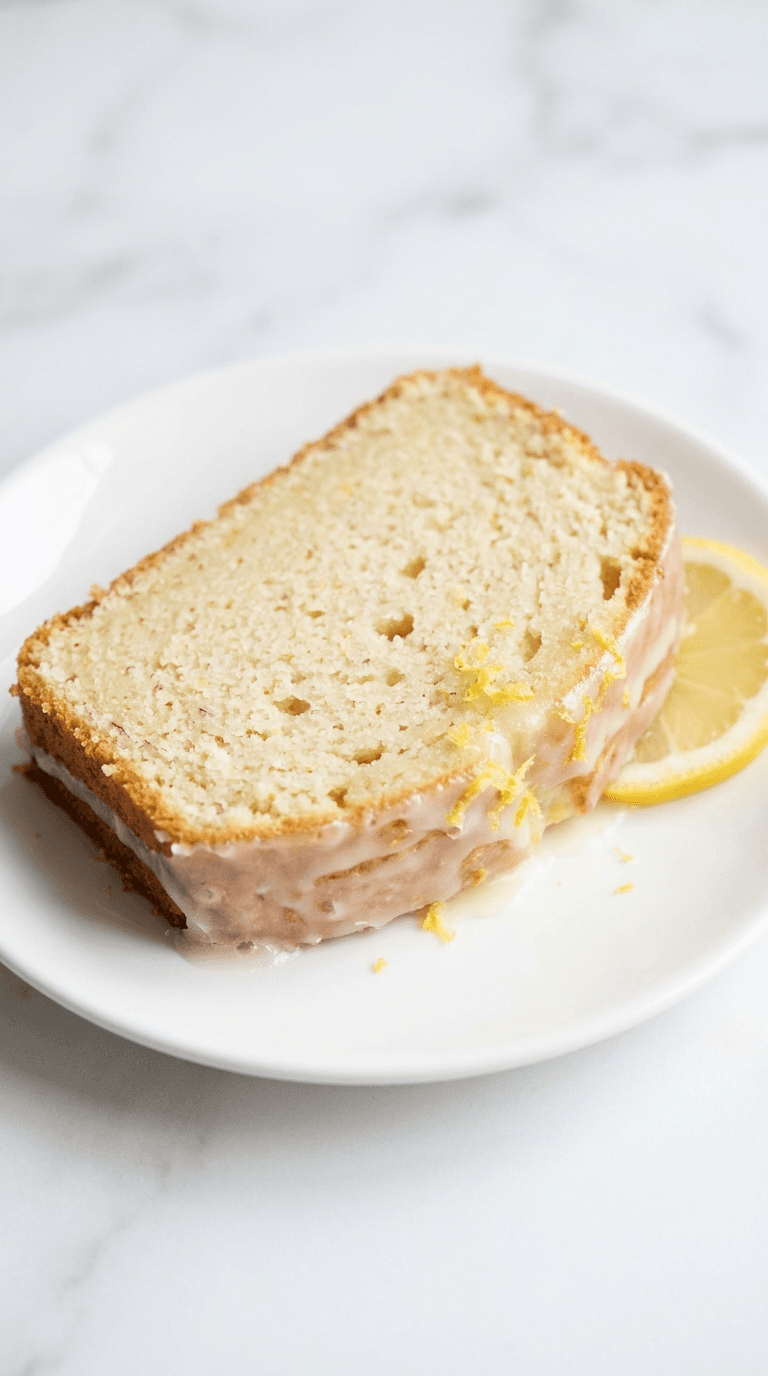
Almond Flour Lemon Pound Cake
Discover a light almond flour lemon pound cake that's moist, bright, and easy to bake with lemon zest and subtle sweetness.
Desserts Baking
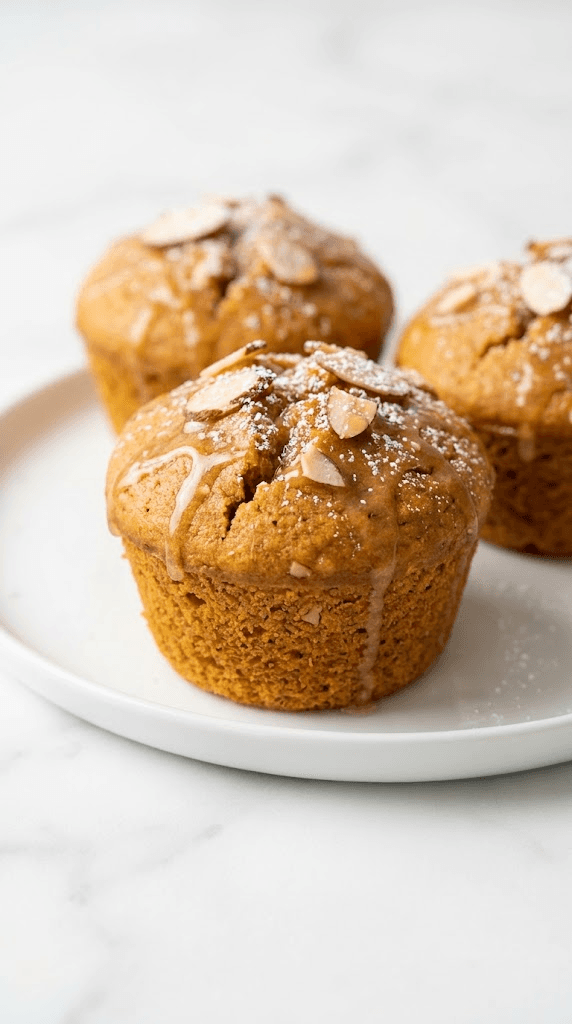
Almond Flour Pumpkin Muffins
Discover almond flour pumpkin muffins: moist, gluten-free treats with cozy pumpkin spice and simple ingredients.