
Eggs Benedict Recipe
If there’s ever been a breakfast that feels a little fancy without being fussy, it’s this Eggs Benedict Recipe—toasty English muffins, savory Canadian bacon, silky poached eggs, and a buttery hollandaise sauce that tastes like brunch at your favorite café.
A Classic Brunch Favorite Worth Making at Home
There’s something about classic eggs benedict that makes an ordinary morning feel like a celebration. Maybe it’s the soft yolk that runs into the nooks of a toasted English muffin, or maybe it’s that warm, lemony eggs benedict sauce spooned over the top. Either way, this dish has earned its place as one of the most beloved brunch staples in America.
I’ve been making homemade eggs benedict for years—usually for Mother’s Day, Easter brunch, lazy summer weekends, or whenever my family wants a “restaurant style” breakfast without the restaurant bill. And while it may look a little intimidating at first glance, I promise this easy eggs benedict recipe is absolutely doable in a home kitchen. Once you break it into simple steps—toast, warm, poach, whisk—it all comes together beautifully.
Traditional eggs benedict is made with split English muffins, Canadian bacon, poached eggs, and hollandaise sauce for eggs benedict. What makes it special is the combination of textures and flavors: crisp edges, creamy sauce, rich yolks, and that bright lemon finish. It’s not exactly everyday health food, no ma’am, but it is protein-rich, deeply satisfying, and perfect for those moments when you want breakfast to feel memorable.
And honestly? Learning how to poach eggs and whisk up a creamy hollandaise sauce recipe from scratch is one of those kitchen skills that pays you back over and over again.
Why You’ll Love This Recipe
- It tastes like a classic brunch recipe from a cozy restaurant.
- You can make it at home for a fraction of the cost.
- The step by step eggs benedict method keeps things simple.
- Poached eggs and hollandaise feel fancy, but they’re easier than they seem.
- It’s ideal for holidays, weekend guests, and special breakfasts.
- The ingredients are easy to find at any regular grocery store.
- You can prep parts ahead for smoother morning cooking.
- It works beautifully with ham, smoked salmon, spinach, or avocado.
- The rich, creamy sauce turns basic ingredients into something truly special.
- It’s one of the best eggs benedict recipe options when you want reliable results.
Ingredients
Here’s what you’ll need for this breakfast eggs benedict recipe. This version makes 4 servings.
For the Eggs Benedict
- 2 English muffins, split in half
(Use a sturdy brand like Thomas’ for good texture; sourdough English muffins are lovely too.) - 8 slices Canadian bacon
(Traditional for eggs benedict with canadian bacon, but deli ham works well for eggs benedict with ham.) - 8 large eggs
(The fresher the eggs, the better they poach. Fresh eggs hold their shape much more neatly.) - 1 tablespoon white vinegar
(Helps the egg whites set in the water.) - 1 tablespoon butter or neutral oil
(For warming the Canadian bacon in a skillet.) - Salt, to taste
- Freshly ground black pepper, to taste
- Chopped fresh chives or parsley, for garnish
(Optional, but very pretty.)
For the Hollandaise Sauce
- 3 large egg yolks
- 1 tablespoon fresh lemon juice
(Fresh is best here; bottled can taste a bit flat.) - 1/2 cup unsalted butter, melted and warm
- 1/4 teaspoon Dijon mustard
(Optional, but it helps with flavor and stability.) - 1/8 teaspoon cayenne pepper or a pinch of paprika
- 1/4 teaspoon kosher salt
- 1 to 2 teaspoons warm water, as needed
(This helps loosen the sauce if it gets too thick.)

Directions
1. Start with the hollandaise sauce
In a heatproof bowl, whisk the egg yolks, lemon juice, Dijon mustard, and salt until the mixture looks a little lighter. Set the bowl over a small saucepan of barely simmering water—make sure the bottom of the bowl doesn’t touch the water. Slowly drizzle in the warm melted butter while whisking constantly. Keep whisking until the sauce thickens and turns smooth and glossy. Stir in cayenne or paprika. If it gets too thick, whisk in a teaspoon of warm water.
Tip: Hollandaise likes gentle heat. Too much heat and the eggs can scramble, which is not the look we’re after.
2. Keep the sauce warm
Once your hollandaise reaches a pourable, creamy consistency, move it off the heat. Cover loosely and keep it warm near the stove. If your kitchen is cool, you can set the bowl over lukewarm—not hot—water.
Here’s the thing: hollandaise is a little high-maintenance, but only a little. Treat it kindly and it behaves.
3. Toast the English muffins
Toast the split English muffins until golden brown and crisp around the edges. You want enough crunch to support the sauce and egg without turning soggy too fast. Place them on serving plates or a baking sheet.
English muffin eggs benedict really shines when the muffin has those crisp, craggy edges.
4. Warm the Canadian bacon
Heat a skillet over medium heat with the butter or oil. Cook the Canadian bacon for 1 to 2 minutes per side, just until warmed through and lightly browned. Set aside.
If you’re using ham, give it the same quick skillet treatment. Those browned edges bring a little extra flavor.
5. Prepare the poaching water
Fill a wide saucepan with about 3 inches of water and bring it to a gentle simmer. Add the vinegar. The water should have small bubbles—not a rolling boil. A strong boil will knock your eggs all over the place.
If you’re learning how to poach eggs, this is the biggest trick: gentle water, not wild water.
6. Poach the eggs
Crack each egg into a small ramekin or cup first. Then carefully slide the eggs, one at a time, into the simmering water. You can create a gentle swirl in the water before adding them, though with very fresh eggs, you may not need to. Poach for about 3 to 4 minutes for a runny yolk and set whites. Remove with a slotted spoon and let them drain briefly on a paper towel.
For poached eggs benedict, timing matters. Three minutes gives you a loose center; four minutes is a touch firmer.
7. Assemble the eggs Benedict
Top each toasted muffin half with a slice of warm Canadian bacon, then add a poached egg. Spoon the hollandaise sauce generously over the top. Finish with black pepper, a little salt if needed, and chopped chives or parsley.
This is where it starts to look like the real deal—classic, glossy, and brunch-table pretty.
8. Serve right away
Serve immediately while the muffins are crisp, the eggs are warm, and the hollandaise is silky. Eggs benedict from scratch is one of those dishes that waits for no one, and honestly, that’s part of its charm.
Servings & Timing
- Yield: 4 servings (8 halves)
- Prep Time: 20 minutes
- Cook Time: 20 minutes
- Rest/Hold Time: 5 minutes
- Total Time: 45 minutes
This timing makes it realistic for a weekend brunch eggs benedict recipe, especially once you’ve made it once or twice.
Variations
- Smoked Salmon Benedict: Swap the Canadian bacon for smoked salmon and add a few capers for a lovely brunch twist.
- Florentine Style: Add sautéed spinach under the egg for a lighter, veggie-friendly version.
- Crab Cake Benedict: Replace the meat with mini crab cakes for a coastal, special-occasion plate.
- Avocado Benedict: Layer sliced avocado on the muffin for a creamy, California-style spin.
- Ham Biscuit Benedict: Use split buttermilk biscuits instead of muffins for a Southern-style variation.
- Spicy Benedict: Add a dash of hot sauce to the hollandaise and a slice of tomato for extra zip.
Storage & Reheating
Eggs Benedict is best served fresh, but you can absolutely make parts ahead.
- Hollandaise Sauce: Store in an airtight container in the refrigerator for up to 1 day. Reheat very gently over warm water while whisking. If it separates, whisk in a teaspoon of warm water.
- Canadian Bacon: Cook and refrigerate for up to 2 days. Reheat in a skillet or microwave.
- English Muffins: Toast fresh for best texture, though you can split them ahead.
- Poached Eggs: You can poach eggs ahead and place them in ice water, then refrigerate for up to 1 day. Reheat by dipping in warm water for 30 to 60 seconds before serving.
I don’t recommend freezing the completed dish. Hollandaise and poached eggs simply don’t love the freezer, and they’ll tell you so.
Notes
After testing this easy eggs benedict recipe a few times, I’ve learned a few things that make all the difference:
- Fresh eggs are worth it. They make cleaner, prettier poached eggs with less wispy white.
- A blender hollandaise works too if you’re nervous about the stovetop version. It’s faster, though I still like the traditional texture from hand-whisking.
- Warm plates help keep everything from cooling off too quickly.
- If your hollandaise seems too thick, don’t panic—just whisk in warm water a teaspoon at a time.
- If you’re cooking for a crowd, poach the eggs ahead and hold them in cold water. That one trick saves your sanity.
- A little lemon zest in the sauce brightens the whole plate without making it sour.
And one more thing—season lightly at each step. The Canadian bacon and hollandaise both bring salt, so you often need less than you think.
FAQs
Can I make eggs benedict ahead of time?
Yes, partially. You can prepare the hollandaise, toast the muffins, warm the bacon, and poach the eggs ahead, then reheat the components gently before serving.
What’s the best way to keep hollandaise sauce warm?
Keep it in a heatproof bowl over lukewarm water, not hot water. Too much heat can cause it to split or curdle.
Why did my hollandaise sauce break?
Usually the heat was too high or the butter was added too quickly. Whisking in a teaspoon of warm water can sometimes bring it back together.
How do I know when poached eggs are done?
The whites should look set, while the yolk should still feel soft when gently touched with a spoon. For most large eggs, 3 to 4 minutes is the sweet spot.
Can I use regular ham instead of Canadian bacon?
Absolutely. Eggs benedict with ham is delicious and a little easier to find if Canadian bacon isn’t in your fridge.
Do I have to use vinegar to poach eggs?
It helps the whites set faster, but you can skip it if you prefer. Fresh eggs matter more than vinegar, truth be told.
What can I serve with eggs Benedict?
Fresh fruit, roasted potatoes, a green salad, or asparagus all pair nicely. For a fuller brunch spread, add coffee cake or a citrus salad.
Is there a shortcut for hollandaise sauce?
Yes, a blender version is the usual shortcut. It’s handy for beginners and still gives you a creamy hollandaise sauce recipe with lovely flavor.
Conclusion
This Eggs Benedict Recipe is rich, classic, and surprisingly manageable once you break it down into simple steps. Between the toasted English muffins, perfectly poached eggs, and smooth hollandaise sauce, it’s the kind of breakfast that feels special every single time.
If you give this homemade eggs benedict a try, I’d love to hear how it turned out. Leave a comment below, and if you’re planning a full brunch, be sure to check out more classic brunch recipe ideas to round out the table.
Read next
Breakfast Brunch
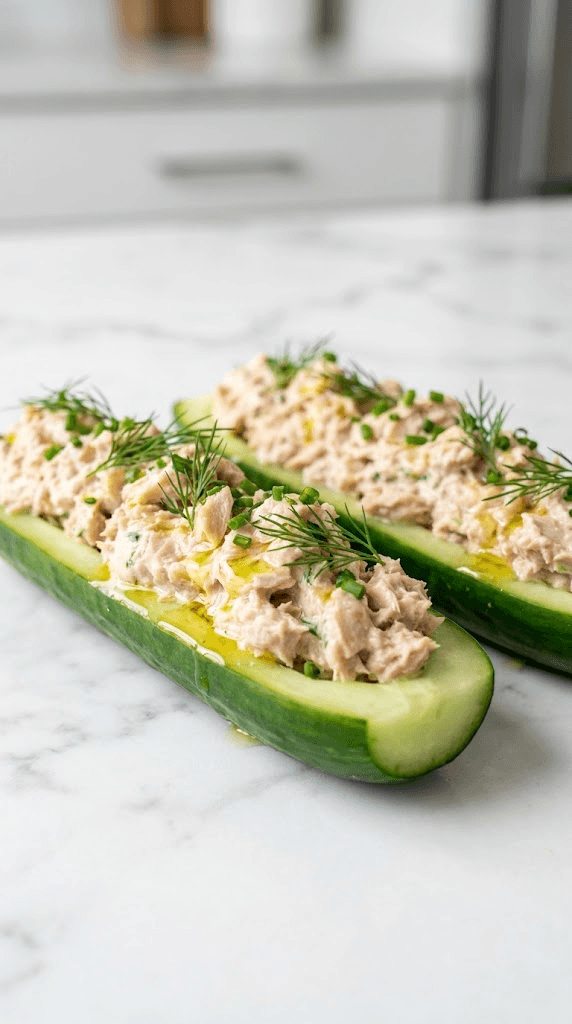
30 Minute Low Carb Tuna Stuffed Cucumber Boats
Discover 30 minute low carb tuna stuffed cucumbers for a quick, protein-packed lunch that's light, fresh, and easy to make.

Breakfast Brunch
Cauliflower Hash Browns
Discover easy cauliflower hash browns that stay crispy, low-carb and delicious for any meal.
Breakfast Brunch
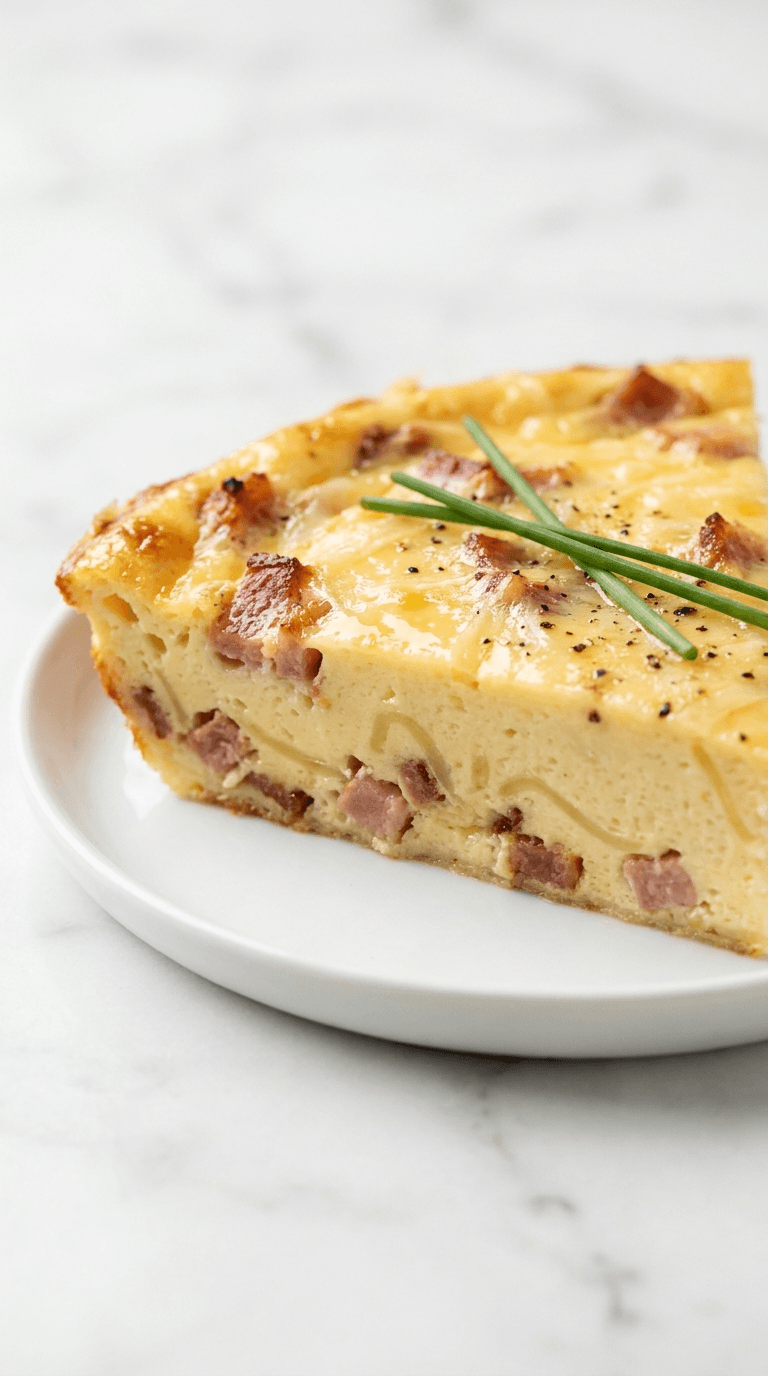
Low-Carb Crustless Quiche Lorraine
Discover a delicious low carb crustless quiche lorraine that's easy to bake and perfect for busy weeknights.

Breakfast Brunch
No Carb Tomato Basil Frittata
Discover a no carb tomato basil frittata that's quick, flavorful, and packed with veggies for a satisfying, guilt-free meal.

Breakfast Brunch
Best Low Carb Sheet Pan Breakfast Bake
Discover best low carb sheet pan breakfast that's easy, delicious, and ready in minutes.
Breakfast Brunch
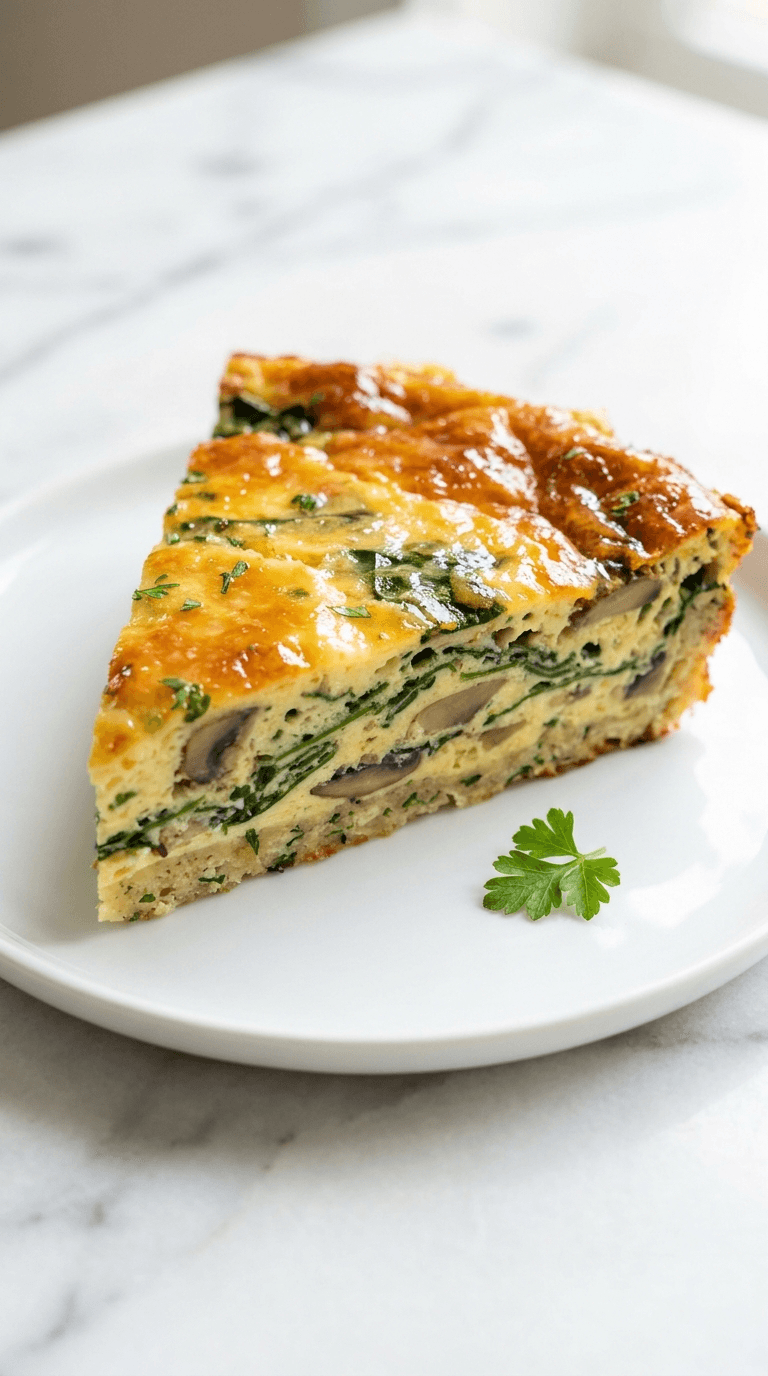
Diabetic Friendly Breakfast Casserole
Discover a diabetic friendly breakfast casserole that's easy to prepare, tasty, and helps keep mornings on track.