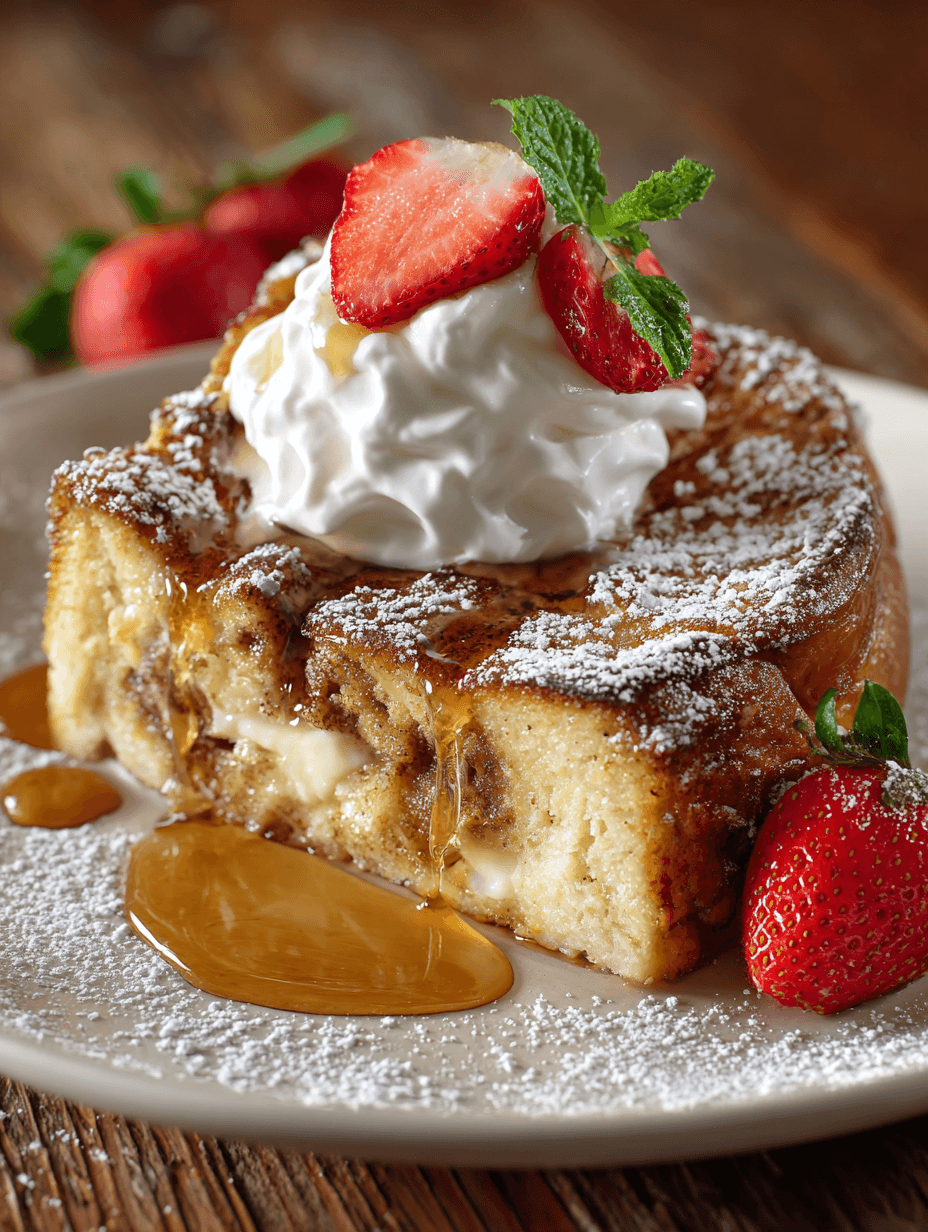
French Toast Casserole Recipe
If you need a cozy, crowd-pleasing breakfast that feels special without making you stand at the stove all morning, this French Toast Casserole Recipe is the one to keep close. It’s warm, custardy, cinnamon-kissed, and perfect for holidays, weekend brunch, or any morning when you want something easy and comforting.
A Cozy Breakfast Bake That Always Feels Like a Treat
There’s something about a bubbling pan of French toast casserole that makes a house feel extra welcoming. It’s the kind of breakfast that says, “Stay awhile, pour another cup of coffee, and help yourself to seconds.” This French Toast Casserole Recipe takes everything we love about classic French toast—buttery bread, vanilla custard, cinnamon, and that golden top—and turns it into a simple baked dish you can prep ahead.
And let me tell you, that make-ahead part matters. The older I get, the more I appreciate a make ahead breakfast casserole that lets me enjoy the morning instead of juggling skillets and spatulas while everyone asks when breakfast will be ready. This baked French toast casserole is especially lovely during the holidays. It’s one of my favorite choices for a Christmas morning casserole, but it’s just as welcome on a lazy Saturday with grandkids around the table.
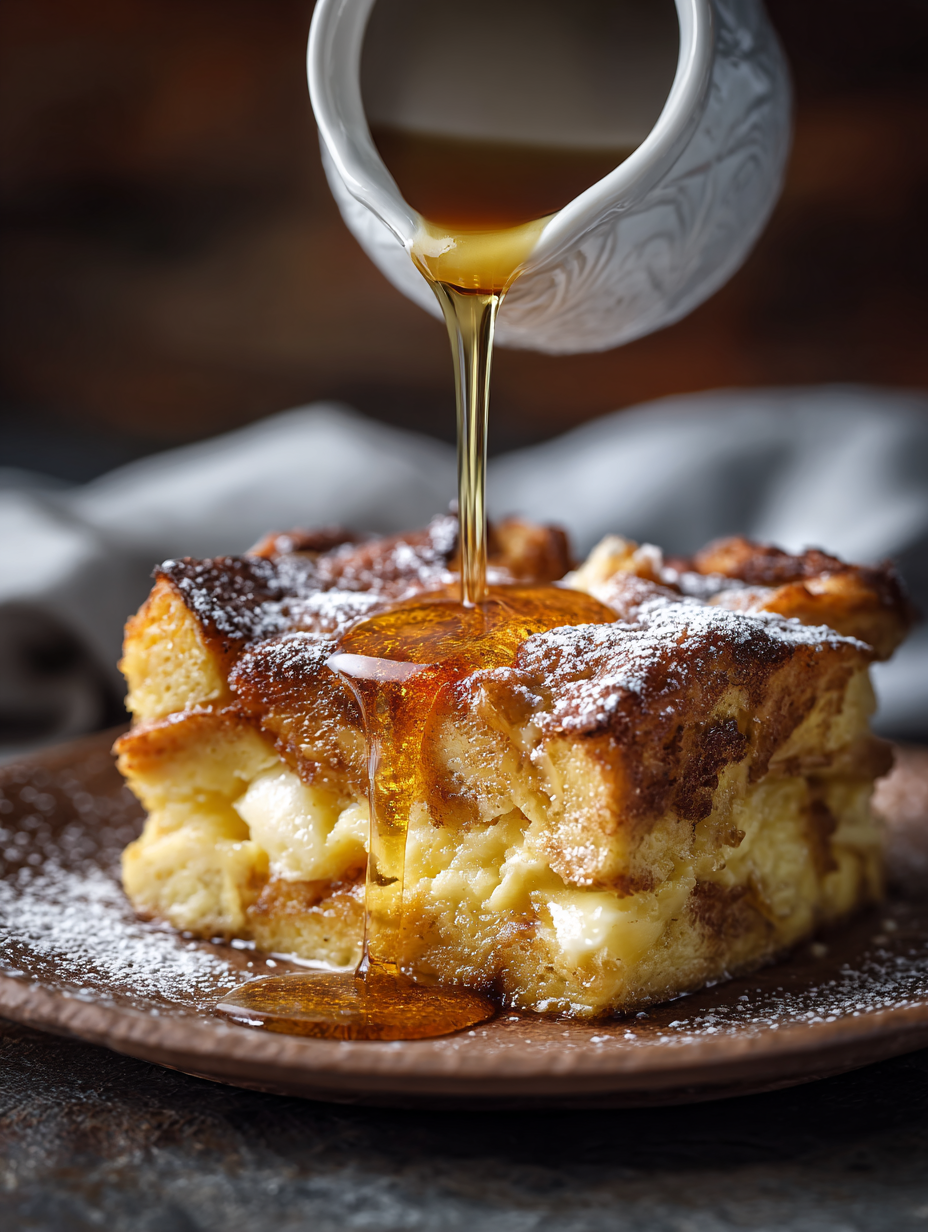
What makes this recipe special is the texture. You get those soft, custard-soaked pieces in the center, with lightly crisp, caramelized edges around the top. It’s rich, yes, but not fussy. And because it uses pantry basics—bread, eggs, milk, sugar, cinnamon, vanilla—it’s a practical family breakfast recipe too. If you’ve been looking for the best French toast casserole recipe for feeding a group, this one checks all the boxes.
Why You’ll Love This Recipe
- Perfect for breakfast for a crowd without standing over the stove
- Easy to prep the night before for an overnight French toast casserole
- Soft and custardy inside with golden, crisp edges
- Uses simple ingredients you may already have on hand
- Ideal for holiday mornings, brunch parties, and weekend guests
- A dependable sweet breakfast casserole that kids and adults both love
- Easy to customize with fruit, nuts, or a crumb topping
- Reheats beautifully, so leftovers are never a bad thing
- Feels special enough for company, but simple enough for everyday baking
- Tastes wonderful with maple syrup, powdered sugar, or a spoonful of whipped cream
Ingredients
Here’s everything you’ll need for this easy French toast casserole:
- 1 loaf thick-cut bread, about 14 to 16 ounces (brioche, challah, or French bread work best; slightly stale bread absorbs the custard better)
- 8 large eggs
- 2 cups whole milk (for a richer casserole; 2% also works)
- 1 cup heavy cream (you can swap half-and-half if needed)
- 1/2 cup granulated sugar
- 1/4 cup light brown sugar (adds a warm caramel note)
- 2 tablespoons pure maple syrup (optional, but lovely for depth)
- 1 tablespoon pure vanilla extract (use a good one like Nielsen-Massey if you can)
- 1 1/2 teaspoons ground cinnamon
- 1/4 teaspoon ground nutmeg (optional, but adds that classic bakery-style warmth)
- 1/2 teaspoon kosher salt
- 3 tablespoons unsalted butter, melted (plus a little more for greasing the dish)
For the topping:
- 1/3 cup light brown sugar
- 1/3 cup all-purpose flour
- 1/2 teaspoon ground cinnamon
- 4 tablespoons cold unsalted butter, cubed
Optional for serving:
- Warm maple syrup
- Powdered sugar
- Fresh berries
- Chopped pecans or walnuts
- Whipped cream
A quick note on bread: if you want that classic custard bread casserole texture, use thick slices and let them dry out a bit. Fresh sandwich bread can turn too soft. Brioche makes it luxurious, challah gives a beautiful structure, and sturdy French bread creates a more traditional oven baked French toast feel.
Directions
Grease your baking dish and prep the bread.
Butter a 9x13-inch baking dish well. Cut the bread into 1-inch cubes and spread them evenly into the dish. If your bread feels very fresh, let the cubes sit out for 20 to 30 minutes first. That little step makes a real difference.Whisk together the custard.
In a large bowl, whisk the eggs, milk, heavy cream, granulated sugar, brown sugar, maple syrup, vanilla, cinnamon, nutmeg, salt, and melted butter until smooth. Make sure the eggs are fully blended so the casserole bakes evenly.Pour and press gently.
Pour the custard mixture over the bread cubes, making sure all the pieces get a little attention. Press the bread down lightly with the back of a spoon or clean hands so it starts soaking up the liquid. Don’t mash it—just encourage it.Cover and chill.
Cover the dish tightly with foil or plastic wrap and refrigerate for at least 4 hours, though overnight is even better. This is what turns it into a wonderful overnight French toast casserole with that deep, custardy texture.Make the topping.
In a small bowl, mix the brown sugar, flour, and cinnamon. Cut in the cold butter with a fork or pastry cutter until crumbly. It should look a bit like damp sand with a few pea-sized pieces. Pop it in the fridge until you’re ready to bake.Bring it out before baking.
In the morning, take the casserole out of the refrigerator and let it sit on the counter for about 20 to 30 minutes while the oven preheats to 350°F. This helps it bake more evenly and keeps the dish from going straight from cold to hot.Add topping and bake.
Sprinkle the crumb topping evenly over the casserole. Bake uncovered for 45 to 55 minutes, or until the center is set and the top is golden brown. If you like a softer casserole, aim closer to 45 minutes. If you prefer more crisp edges, give it the full time.Rest before serving.
Let the casserole rest for 10 minutes before cutting into it. That rest time helps the custard settle, and it slices much better. Serve warm with maple syrup, berries, or a dusting of powdered sugar.
Servings & Timing
- Yield: 8 to 10 servings
- Prep Time: 20 minutes
- Rest Time: 4 hours or overnight
- Bake Time: 45 to 55 minutes
- Total Time: About 5 hours with chilling, or overnight plus 1 hour in the morning
For brunch planning, this weekend brunch recipe fits beautifully into a relaxed schedule. You can prep it after dinner, refrigerate it, then bake it fresh while coffee brews and fruit gets sliced.
Variations
- Berry French Toast Casserole: Scatter blueberries or raspberries between the bread cubes for a bright, fruity twist.
- Pecan Streusel Version: Add chopped pecans to the topping for crunch and a praline-style finish.
- Cream Cheese Swirl: Tuck cubes of cream cheese throughout the casserole for little tangy pockets.
- Pumpkin Spice Bake: Replace some of the milk with pumpkin puree and add pumpkin pie spice for fall.
- Chocolate Chip Brunch Bake: Sprinkle in mini chocolate chips for a sweeter, kid-friendly version.
- Dairy-Light Option: Use whole milk and skip the cream, or replace with an unsweetened dairy-free creamer if needed.
Storage & Reheating
Store leftover French toast bake with syrup or without syrup in an airtight container in the refrigerator for up to 4 days. If possible, store syrup separately so the casserole doesn’t get soggy.
To reheat, place individual portions in the microwave for 30 to 60 seconds, or warm larger portions in a 325°F oven for 10 to 15 minutes. Cover loosely with foil if the top starts to brown too much.
You can also freeze it. Wrap cooled portions tightly and freeze for up to 2 months. Thaw overnight in the refrigerator before reheating.
For make-ahead planning, assemble the casserole the night before and keep the crumb topping separate until baking time. That’s the easiest way to keep the texture pleasant and fresh.
Notes
After testing this recipe a few different ways, I can tell you a few things with confidence. First, bread choice matters more than people think. A sturdy, slightly dry loaf gives you that ideal thick cut bread casserole texture—soft in the middle, never mushy. Brioche is lovely, but challah may be my favorite because it holds together so beautifully.
Second, don’t skip the resting time after baking. It’s tempting, I know, especially when the kitchen smells like cinnamon and vanilla and everyone’s hovering. But ten quiet minutes makes the casserole easier to serve and improves the final texture.
And one more thing: a little salt in sweet recipes is not just okay, it’s necessary. It sharpens the vanilla and cinnamon and keeps the casserole from tasting flat. It’s a small detail, but the small details are often what turn a good brunch casserole recipe into one people ask you for again and again.
If you like a really custardy center, use the full overnight soak. If you want more structure, a 4-hour soak is enough. That’s one of the nice things about this vanilla French toast bake—it’s forgiving.
FAQs
Can I make this French toast casserole recipe the night before?
Yes, absolutely. In fact, it’s better that way because the bread has more time to soak up the custard.
What kind of bread works best?
Brioche, challah, and French bread are all excellent. You want bread that’s sturdy and slightly stale, not super soft sandwich bread.
Why is my casserole soggy?
Usually it’s from using very fresh, thin bread or not baking it long enough. Let it bake until the center is set and the top is golden.
Can I bake it right away without chilling?
You can, but the texture won’t be as rich and evenly soaked. Even a short 30-minute rest helps.
How do I know when it’s done?
The center should look set, not wet, and a knife inserted near the middle should come out mostly clean. A little moisture is fine, but it shouldn’t look runny.
Can I use less sugar?
Yes. You can reduce the sugar slightly if you prefer a less sweet casserole, especially if you plan to serve it with syrup.
Is this good for holidays?
It’s wonderful for holidays. This holiday breakfast casserole is especially popular for Easter, Mother’s Day, and Christmas morning.
Can I add fruit or nuts?
Certainly. Berries, sliced apples, pecans, and walnuts all work well in this recipe.
A Few Extra Serving Ideas
If you’re serving this for a brunch spread, pair it with something savory like baked bacon, breakfast sausage, or a simple egg dish. That sweet-and-salty contrast makes the whole meal feel complete. I also love adding a bowl of fresh fruit on the side—it brightens the plate and balances the richness.
If you run a food blog or plan content seasonally, this recipe performs especially well around fall and winter holidays, but honestly, it has year-round appeal. Search trends often rise for terms like easy French toast casserole, Christmas morning casserole, and make ahead breakfast casserole starting in late autumn, then again around spring brunch season. That makes this recipe a smart addition to your breakfast rotation and, if you’re a fellow content creator, a strong evergreen post too.
You might also enjoy serving it with flavored syrups, a dusting of cinnamon sugar, or even a spoonful of apple butter. That’s a small touch, but it feels restaurant-worthy without much extra work.
Conclusion
This French Toast Casserole Recipe is warm, simple, make-ahead friendly, and just right for feeding family or guests without stress. It has all the comfort of classic French toast in an easy baked form, with a soft custardy center and that irresistible cinnamon-sugar top. If you try it, I’d love for you to leave a comment and share how you served it—and if you’re planning brunch, be sure to check out a few more family-friendly breakfast recipes too.
Read next
Breakfast Brunch
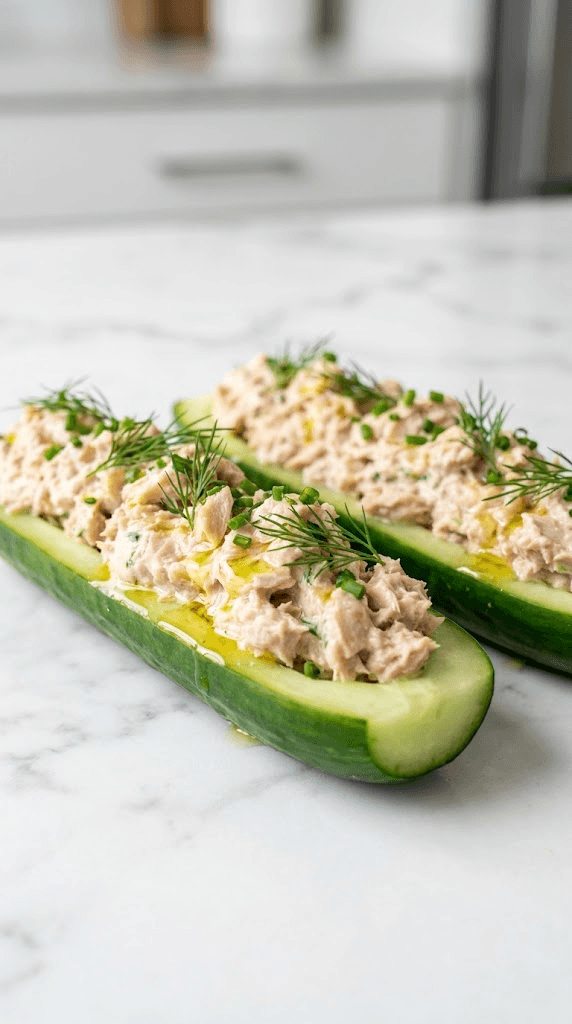
30 Minute Low Carb Tuna Stuffed Cucumber Boats
Discover 30 minute low carb tuna stuffed cucumbers for a quick, protein-packed lunch that's light, fresh, and easy to make.
Breakfast Brunch
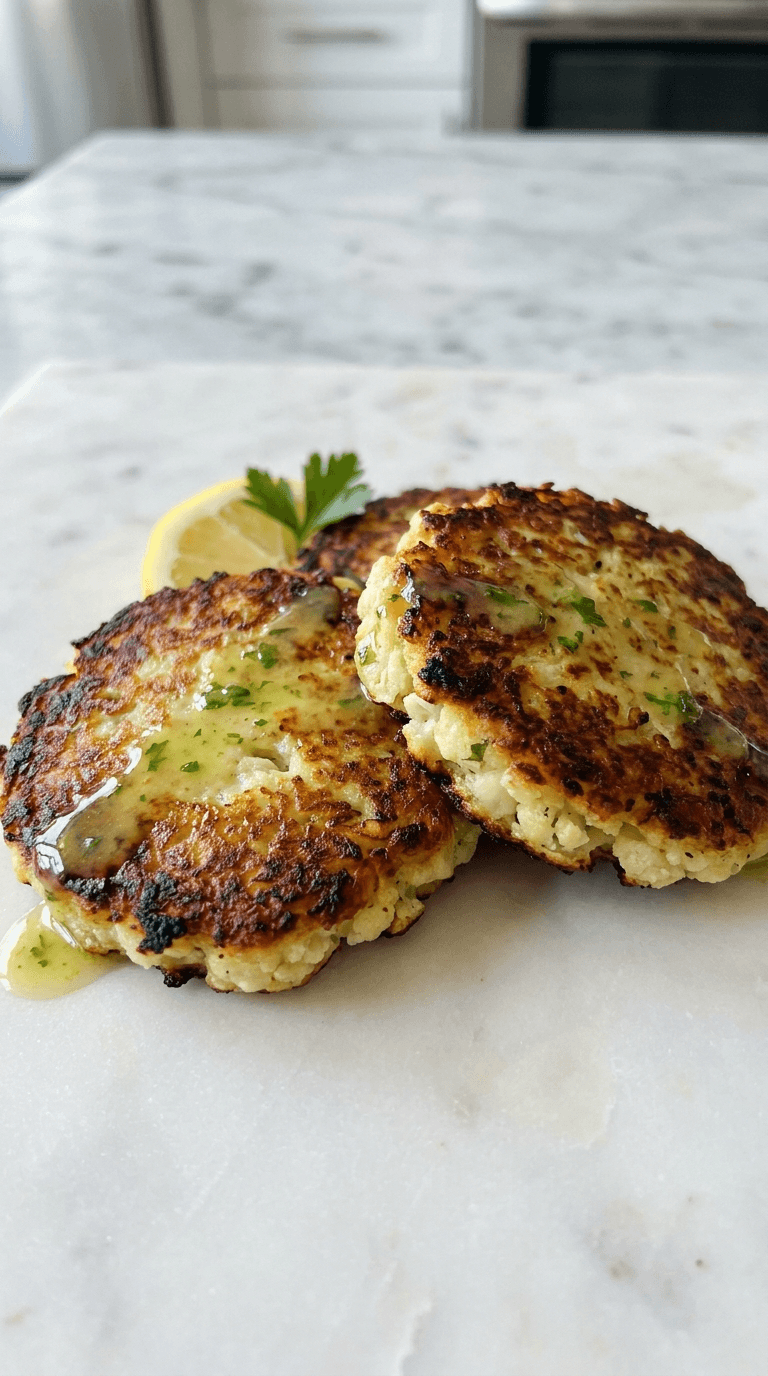
Cauliflower Hash Browns
Discover easy cauliflower hash browns that stay crispy, low-carb and delicious for any meal.
Breakfast Brunch
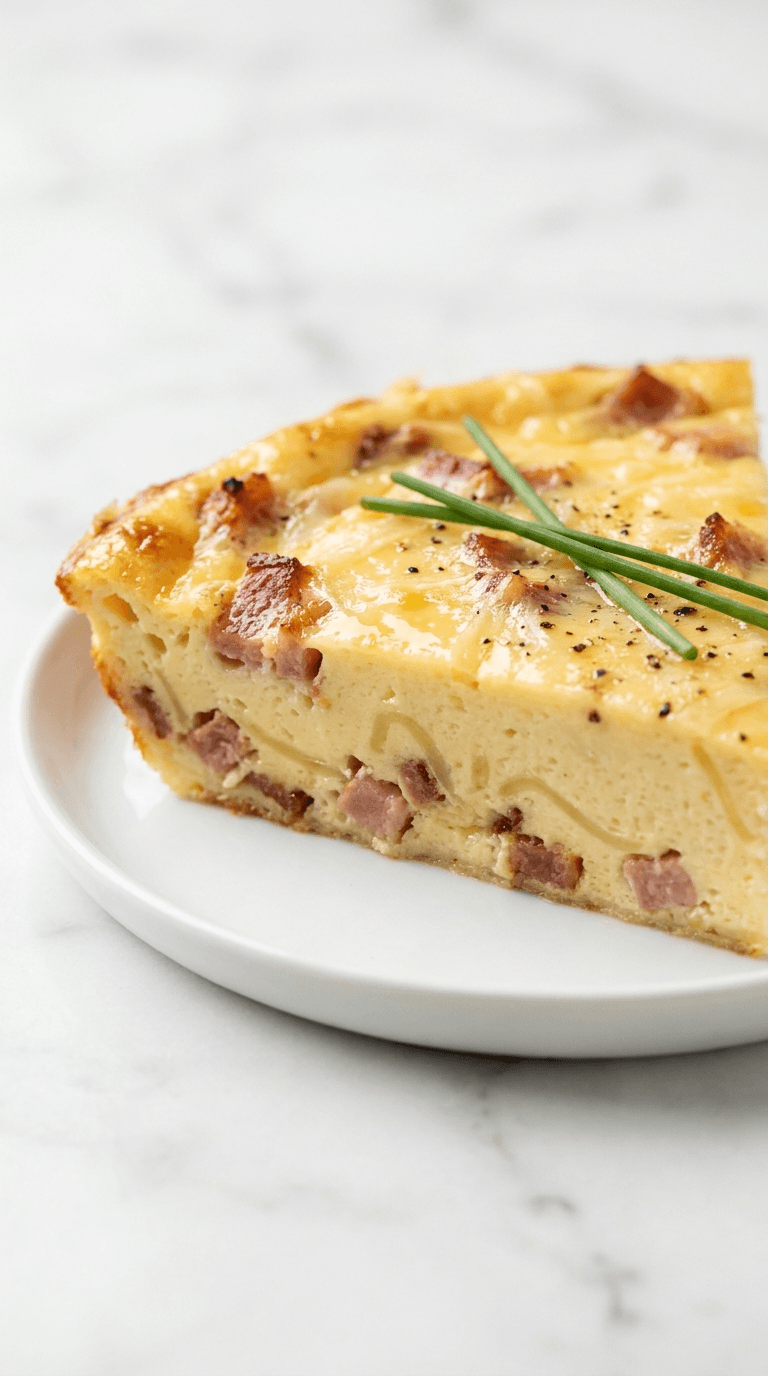
Low-Carb Crustless Quiche Lorraine
Discover a delicious low carb crustless quiche lorraine that's easy to bake and perfect for busy weeknights.
Breakfast Brunch
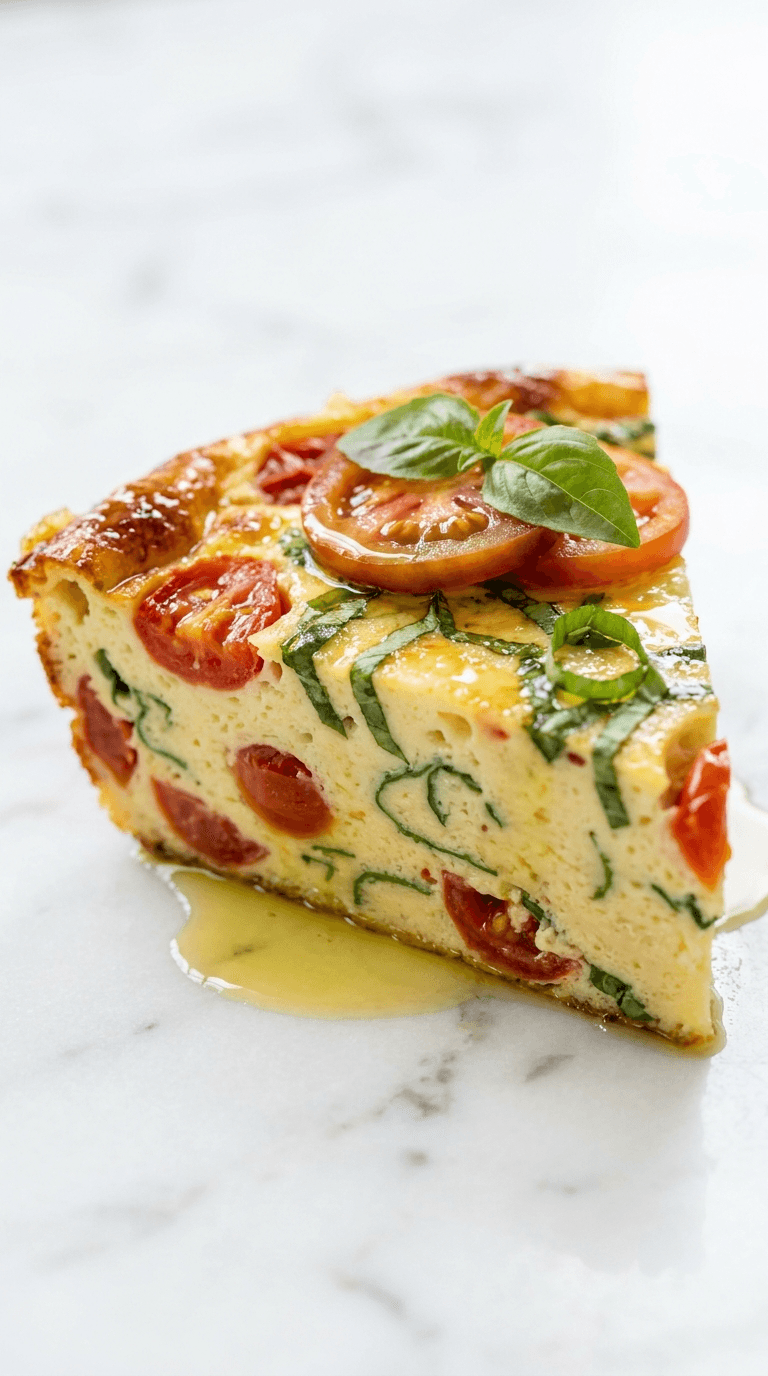
No Carb Tomato Basil Frittata
Discover a no carb tomato basil frittata that's quick, flavorful, and packed with veggies for a satisfying, guilt-free meal.

Breakfast Brunch
Best Low Carb Sheet Pan Breakfast Bake
Discover best low carb sheet pan breakfast that's easy, delicious, and ready in minutes.
Breakfast Brunch
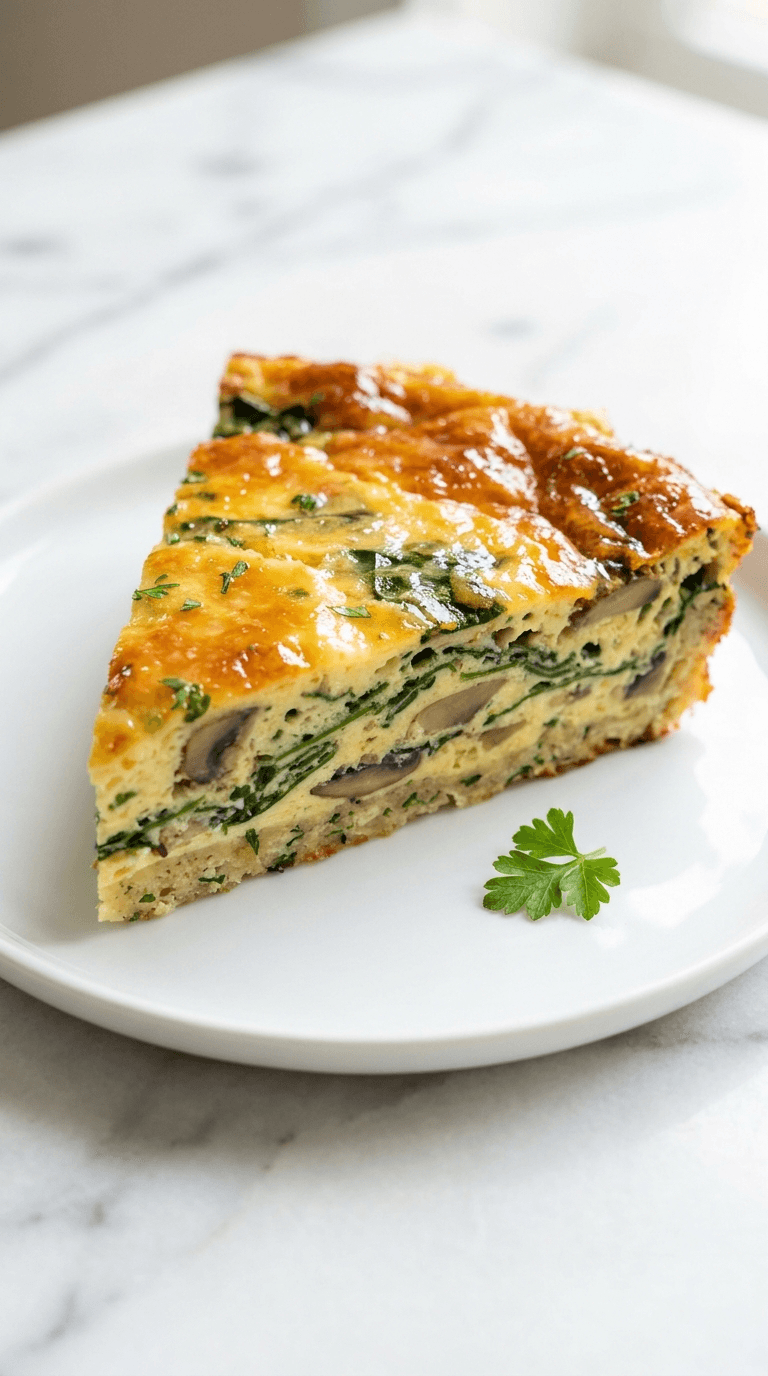
Diabetic Friendly Breakfast Casserole
Discover a diabetic friendly breakfast casserole that's easy to prepare, tasty, and helps keep mornings on track.