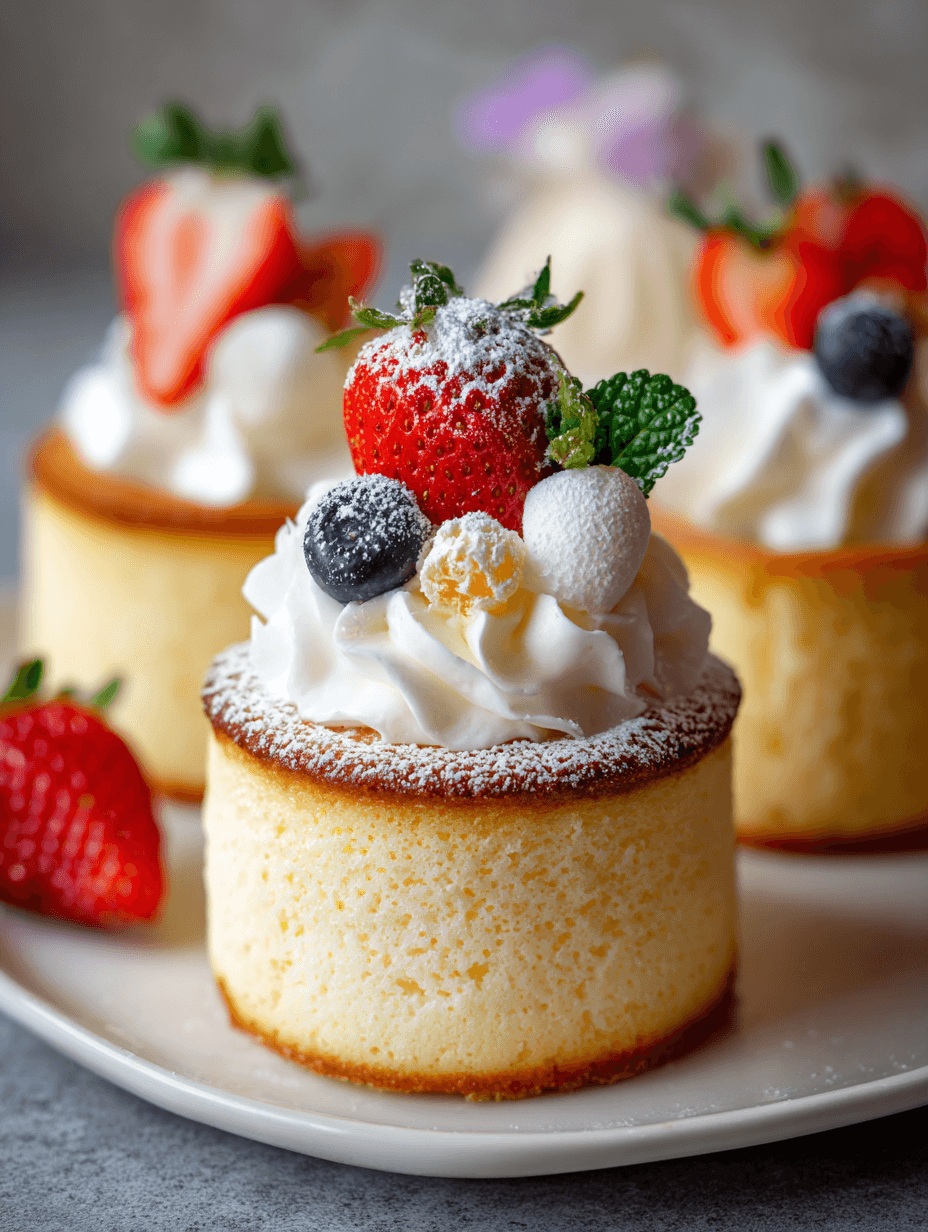
Japanese Cotton Cheesecake Cupcakes
If you love light, jiggly, cloud‑soft desserts, these Japanese Cotton Cheesecake Cupcakes are about to become your new baking obsession—gentle sweetness, soufflé‑style fluff, and the cutest individual cheesecakes you can serve.
What Are Japanese Cotton Cheesecake Cupcakes?
Japanese cotton cheesecake cupcakes are mini versions of the famous Japanese “soufflé” or “jiggly” cheesecake—except they bake in cupcake liners, so you get individual Japanese cheesecakes that are soft, airy, and wonderfully portion‑controlled.
Unlike classic New York–style cheesecake, which is dense and rich, these fluffy Japanese cheesecake cupcakes are:
- Light as a whisper
- Delicately sweet
- Slightly tangy
- And honestly, kind of magical when they jiggle fresh from the oven
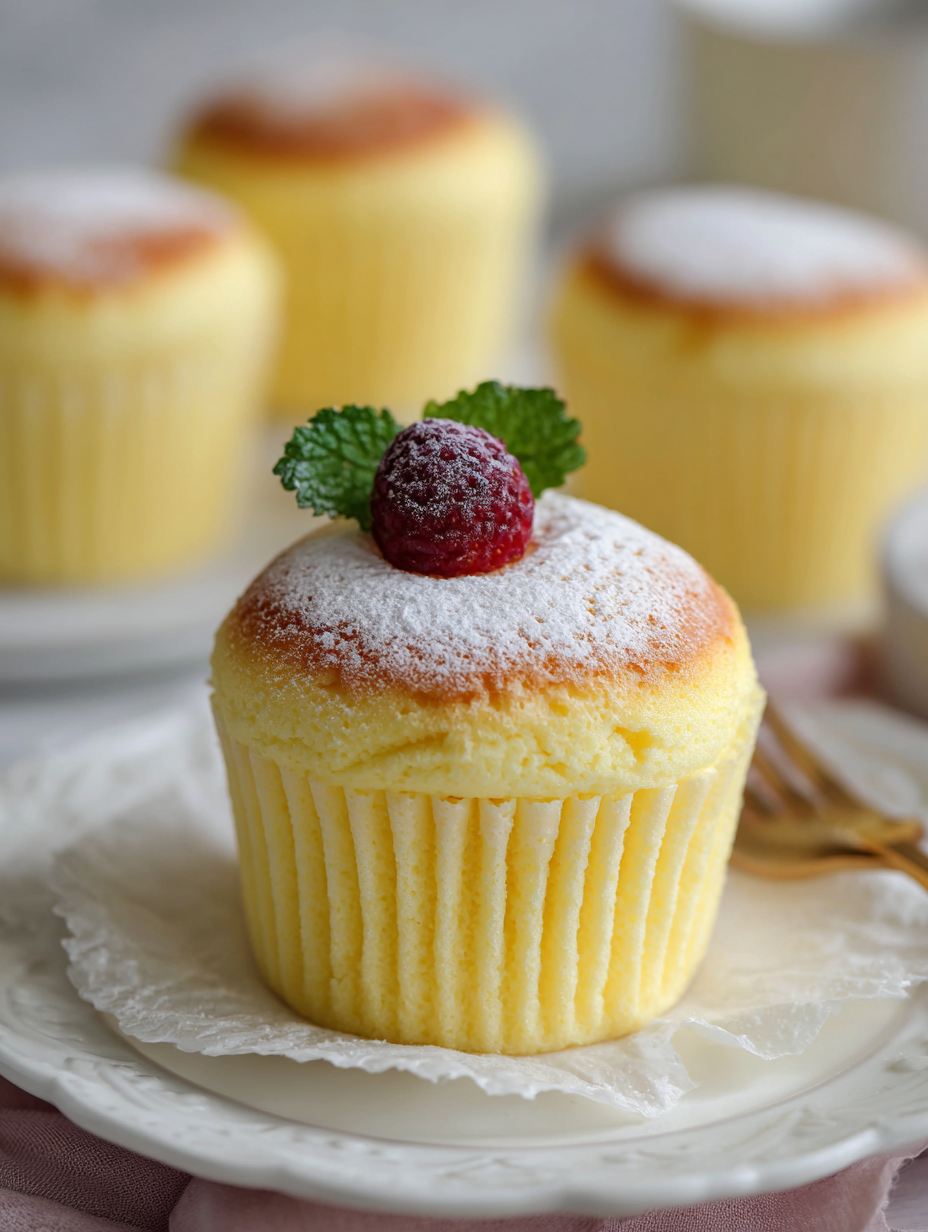
They’re sometimes called mini cotton cheesecake, souffle cheesecake cupcakes, or fluffy Japanese cheesecake cupcakes. The batter is almost custard‑like, built on whipped egg whites, cream cheese, and milk, then baked gently in a water bath. The result? Cottony, cloud‑soft centers that melt on your tongue.
I love making these when:
- I need something elegant for a baby shower or bridal shower
- I’m putting together dessert boxes for neighbors
- I want cheesecake but don’t want to fuss with a springform pan or cracking
Plus, as a 50‑year‑old home baker who’s been through a lot of holiday seasons, I’ll tell you—small, individual desserts like these Japanese dessert cupcakes are always the first to disappear from a dessert table. People feel less guilty picking up “just a cupcake,” even when it’s cheesecake in disguise.
Why You’ll Love These Japanese Cotton Cheesecake Cupcakes
- Whisper‑light texture: These souffle cheesecake cupcakes are so airy they almost melt in your mouth—nothing heavy or cloying.
- Built‑in portion control: Individual Japanese cheesecakes make it easy to serve a crowd with no slicing, no mess, and no “Is this piece too big?” drama.
- Perfect for beginners: The method sounds fancy, but I’ll walk you through step by step; if you can whip egg whites, you can make these.
- Look like bakery treats: Tall, fluffy tops and a pretty golden blush make them look like they came from a Japanese patisserie.
- Less sugar than classic cheesecake: These light cheesecake cupcakes have a gentle sweetness that doesn’t overwhelm.
- Customizable flavors: Turn them into matcha cotton cheesecake cupcakes, lemony Japanese cheesecake cupcakes, or even chocolate‑swirled.
- Great make‑ahead dessert: They chill beautifully, so you can bake the day before and relax when guests arrive.
- Kid‑ and adult‑approved: Soft, not too sweet, and easy to eat—my grandkids and my husband both request them.
- No special pan required: Standard muffin tin, cupcake liners, and a larger baking pan for the water bath—that’s it.
Ingredients for Japanese Cotton Cheesecake Cupcakes
This homemade Japanese cotton cheesecake is built from simple ingredients. The technique matters more than anything fancy.
Makes about 12–14 cupcakes, depending on how full you fill the liners.
For the cheesecake base
- 6 oz (170 g) cream cheese, softened (use full‑fat brick cream cheese; low‑fat can make the batter weepy)
- 3 tbsp (45 g) unsalted butter, softened (adds richness and helps that silky texture)
- 1/3 cup (80 ml) whole milk (room temperature; whole milk gives the best “cotton” crumb)
- 3 large eggs, separated (room temperature; cold whites don’t whip as well)
- 1/4 cup (30 g) cake flour (or 3 tbsp all‑purpose flour + 1 tbsp cornstarch if you don’t have cake flour)
- 2 tbsp (16 g) cornstarch (helps stabilize and keep that fluffy structure)
- 1/4 tsp fine sea salt
- 1 tsp pure vanilla extract (or 1/2 tsp vanilla + 1/2 tsp lemon extract for a brighter flavor)
For the meringue (egg white mixture)
- 1/3 cup (70 g) granulated sugar (divided in 2 additions)
- 1/4 tsp cream of tartar (or 1/2 tsp lemon juice; helps stabilize your airy meringue)
For the pan & finishing
- 12–14 standard cupcake liners (parchment‑style liners work beautifully because they peel cleanly)
- Hot water for the water bath
- Powdered sugar, for dusting (optional)
- Fresh berries, lemon zest, or a little fruit compote for serving (optional but so pretty)
A few ingredient notes, because these soft cheesecake cupcakes deserve a little care:
- Cream cheese: Try Philadelphia or a similar brick style. Tub cream cheese is softer and can make the batter too loose.
- Flour: Cake flour really does help create that fine, cotton‑soft crumb you want for fluffy cheesecake cupcake recipes. If you only have all‑purpose, use the all‑purpose + cornstarch combo.
- Sugar: Don’t reduce it the first time you make this. Sugar doesn’t just sweeten; it also helps stabilize the meringue and keep those jiggly cheesecake cupcakes from collapsing.
Step‑by‑Step Directions (So Your Cupcakes Stay Fluffy, Not Flat)
1. Prep your pans and preheat the oven
Line a standard muffin tin with 12–14 cupcake liners and place the tin inside a larger, deep baking pan or roasting pan (this is for the water bath later). Preheat your oven to 300°F (150°C) with the rack in the lower‑middle position.
Tip: If your oven runs hot, you can go down to 285–290°F. Gentle heat is key for these baked Japanese cheesecake cupcakes.
2. Warm and whisk the cream cheese mixture
In a medium heatproof bowl, add the cream cheese, butter, and milk. Set the bowl over a small pot of barely simmering water (double‑boiler style), stirring until the mixture is smooth, glossy, and no lumps remain.
Remove from heat and let it cool slightly for 3–5 minutes—you want it warm, not hot, so you don’t scramble the eggs later.
3. Add the egg yolks and flavorings
Whisk the egg yolks, one at a time, into the warm cream cheese mixture. Whisk until the yolks are fully combined and the mixture looks silky.
Sift in the cake flour, cornstarch, and salt right over the bowl. Whisk gently until no dry streaks remain. Stir in the vanilla extract (and lemon extract if using).
You should have a smooth, slightly thick, custard‑like batter. Set it aside.
4. Make the meringue (your fluffy engine)
In a clean, dry mixing bowl, add the egg whites. Using a hand mixer or stand mixer fitted with the whisk attachment, beat on medium speed until frothy.
Sprinkle in the cream of tartar and keep mixing. Once the whites look like soft foam, gradually add the granulated sugar in two additions, beating on medium‑high speed.
Beat until you reach soft to medium peaks—when you lift the whisk, the peaks should curl over slightly, not stand up like a firm ice cream cone. This is important: over‑whipped whites make the batter grainy and unstable, which can lead to collapsing cupcakes.
5. Fold the meringue into the cheesecake base
Give your cream cheese mixture a stir. Using a spatula, gently fold in about 1/3 of the meringue to lighten the batter. Don’t worry about being too gentle on this first addition.
For the remaining meringue, fold in two more additions, this time being much more careful: scrape down the sides and bottom, lift the batter up and over, and turn the bowl as you fold. You want a smooth, airy batter with no streaks of egg white, but don’t stir aggressively.
Think of it as “hugging” the batter, not punching it.
6. Fill the cupcake liners
Using a small ladle or measuring cup, fill each cupcake liner almost to the top—about 80–90% full. These light and fluffy cheesecake cupcakes will rise, then settle slightly, so don’t be afraid to fill generously.
Tap the muffin pan gently on the counter 2–3 times to pop any large air bubbles.
7. Prepare the water bath
Place the larger baking pan (with the muffin tin inside) on the oven rack. Carefully pour hot tap water into the larger pan, around the muffin tin, until it reaches about 1/2 to 2/3 up the sides of the muffin tin.
The water bath helps create a moist, gentle baking environment so your Japanese cotton cheesecake cupcakes don’t crack or dry out.
8. Bake low and slow
Bake at 300°F (150°C) for about 23–28 minutes, or until:
- The tops are a very light golden color
- The cupcakes look puffy but set
- The centers still have a gentle jiggle when you nudge the pan
If they’re browning too fast, you can tent a piece of foil loosely over the top for the last 5–7 minutes.
Every oven is different, so the first batch is your learning batch. My gas oven takes around 25 minutes; my daughter’s electric oven needs 27–28.
9. Cool gradually (this prevents dramatic sinking)
Turn off the oven and crack the door open slightly. Leave the cupcakes inside for 10–15 minutes. This gradual temperature drop reduces the risk of sudden collapse.
Then carefully remove the muffin tin from the water bath and let the cupcakes cool at room temperature another 30–40 minutes.
They will deflate a bit—that’s normal for airy cheesecake cupcakes—but they should still hold a nice dome or gentle curve.
10. Chill before serving
Once the cupcakes are just barely warm, transfer them (still in the liners) to an airtight container and refrigerate for at least 2 hours, or up to overnight.
Japanese cotton cheesecake cupcakes are delicious at room temperature, but chilling helps the flavor develop and the texture set into that dreamy, cottony softness.
Before serving, dust lightly with powdered sugar and top with berries, a little lemon zest, or a spoonful of fruit compote if you’d like.
Servings & Timing
- Yield: 12–14 Japanese cotton cheesecake cupcakes
- Prep Time: 20–25 minutes
- Bake Time: 23–28 minutes
- Cooling & Chill Time: About 2–3 hours (includes resting and refrigeration)
- Total Time: Around 3 hours (mostly hands‑off after baking)
These are perfect for making in the morning for an evening dinner, or the night before a party.
Simple Variations to Keep Things Interesting
Once you’ve nailed the base Japanese cheesecake cupcake recipe, you can play:
- Matcha (Green Tea) Version: Sift in 1–1½ tsp matcha powder with the flour for an earthy, pale‑green mini Japanese cheesecake.
- Lemon Cloud Cupcakes: Add 1 tbsp fresh lemon juice plus 1 tsp lemon zest to the cream cheese mixture for bright, citrusy soft cheesecake cupcakes.
- Chocolate Marble: Swirl 2–3 tbsp melted, cooled dark chocolate into each filled liner with a toothpick before baking for a gorgeous pattern.
- Strawberry Heart Center: Spoon 1 tsp thick strawberry jam into the center of each liner, then cover with batter for a hidden fruity surprise.
- Vanilla Bean Bakery Style: Use vanilla bean paste instead of extract for those pretty flecks and a more pronounced vanilla flavor.
- Gluten‑light tweak: Use all cornstarch (about 4 tbsp total) instead of flour for a more custard‑style texture—just note they’ll be a bit more delicate.
How to Store & Reheat (If They Even Last That Long)
These airy cheesecake cupcakes store surprisingly well, which makes them a fantastic make‑ahead dessert.
In the fridge
- Store cooled cupcakes in an airtight container for 3–4 days.
- Keep them in a single layer so the tops stay pretty.
- They’re best eaten chilled or just slightly cool; the texture is soft and velvety.
In the freezer
- Let cupcakes cool completely, then wrap each one individually in plastic wrap.
- Place in a zip‑top freezer bag or freezer‑safe container and freeze for up to 1 month.
- To serve, thaw overnight in the fridge or at room temperature for 1–1½ hours.
Reheating?
You don’t really reheat these like a muffin, but:
- If you want them a little warmer, you can let them sit at room temp for 20–30 minutes before serving.
- Avoid the microwave—it can create rubbery spots and ruin the airy texture of your cotton cheesecake cupcakes.
Make‑ahead tip: Bake them the day before your event, chill overnight, then garnish with powdered sugar and berries just before serving so they look fresh and perky.
Notes from My Kitchen (What I Learned Testing This Recipe)
You know what? The first time I tried making Japanese cotton cheesecake years ago, it cracked like a canyon and collapsed so dramatically that I almost swore off the whole idea. So when I developed this Japanese cheesecake cupcake recipe, I really focused on how to get consistent, home‑cook‑friendly results.
Here are the big lessons:
- Room‑temperature ingredients matter. Cold cream cheese or eggs will give you lumps and a thicker batter that doesn’t blend as well with the meringue. Let things sit out 30–40 minutes.
- Don’t over‑whip the egg whites. This is probably the #1 reason fluffy cheesecake cupcake recipes fail. Aim for shiny, soft to medium peaks. If the whites look dry or chunky, you’ve gone too far.
- Water bath = your friend. It keeps the heat gentle and moist, which helps prevent cracks and rubbery texture. I’ve tried without it; the difference is obvious.
- Gentle cooling prevents dramatic sinking. These are like little souffle cheesecake cupcakes—if the temperature drops too fast, they throw a tantrum and cave in.
- Sugar is structure. People love cutting sugar, and I understand, but with Japanese cotton cheesecake cupcakes, sugar helps stabilize the meringue. If you want to adjust, do it by tiny amounts and only after a successful first batch.
- Don’t panic about slight shrinkage. They will deflate some as they cool. That’s normal. As long as they’re not completely caving in, you did fine.
And one more thing: parchment‑style cupcake liners (the taller, slightly crinkly ones) tend to give the cutest “bakery look” to these individual Japanese cheesecakes.
FAQs About Japanese Cotton Cheesecake Cupcakes
1. Why did my Japanese cotton cheesecake cupcakes collapse in the middle?
Usually it’s from over‑whipped egg whites, underbaking, or cooling too quickly. Aim for soft‑medium peaks and let them cool gradually in the oven with the door slightly open.
2. Can I make these without a water bath?
You can, but the texture won’t be as moist and cotton‑soft, and they’re more likely to crack. For the best fluffy Japanese cheesecake cupcakes, I strongly recommend using the water bath.
3. Can I reduce the sugar in this recipe?
You can trim it slightly (by about 1–2 tablespoons), but too much reduction can destabilize the meringue and cause more sinking or a rubbery texture. Try the original recipe first.
4. My cupcakes have little bubbles or holes—what went wrong?
That usually means the batter had too much air or wasn’t tapped down. Next time, tap the pan on the counter a few times before baking and make sure you’re folding gently but thoroughly.
5. How do I know when my Japanese cheesecake cupcakes are done baking?
They should be puffed, lightly golden, and jiggle like soft Jell‑O in the center when you nudge the pan—no wet liquid batter in the cracks.
6. Can I use a low‑fat or reduced‑fat cream cheese?
Technically yes, but the texture of these light and fluffy cheesecake cupcakes will be less rich and might be more prone to weeping. Full‑fat cream cheese gives the best result.
7. Do these need to be refrigerated?
Yes. Since they’re made with eggs and dairy, treat them like cheesecake: store them in the fridge once cooled, and don’t leave them out for more than 2 hours.
8. Can I double this recipe for a party?
Absolutely. You can double it for 24–28 cupcakes. Just use two muffin tins and rotate them halfway through baking if your oven heats unevenly.
Wrapping It Up (And Serving It on a Pretty Plate)
These Japanese Cotton Cheesecake Cupcakes bring everything I love about Japanese dessert cupcakes into a convenient, shareable size—light as air, gently sweet, and just fancy enough to feel special without being fussy. They’re the kind of treat that makes people pause after the first bite and say, “Wait…what IS this?”
If you try these cotton cheesecake cupcakes, let me know how they turn out—leave a comment, tell me which variation you made, or share your tweaks. And if you’re hooked on these airy cheesecake cupcakes now, you might enjoy exploring other Asian‑style cheesecake recipes or small‑batch desserts next. Happy baking, and don’t be surprised if these little clouds disappear faster than you expect.
Read next
Desserts Baking
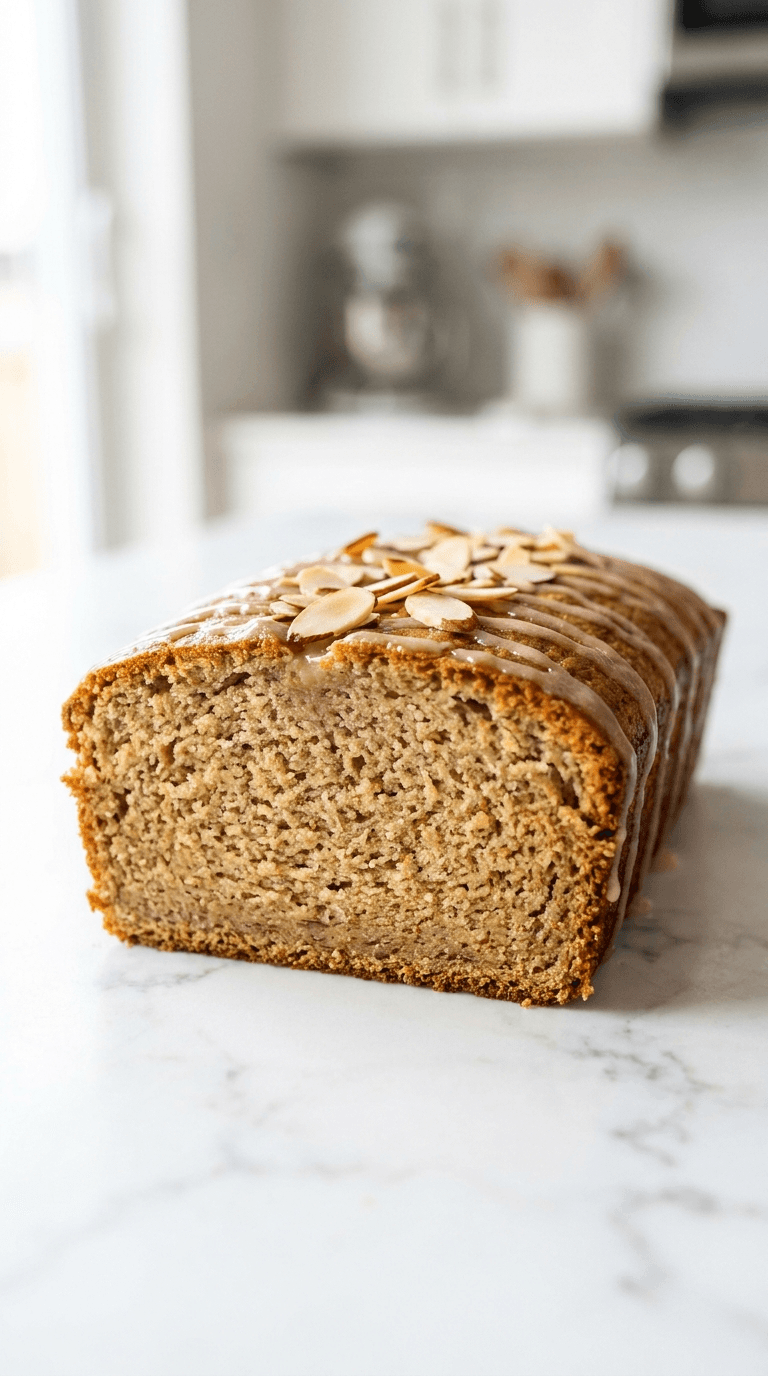
Almond Flour Banana Bread
Discover a moist, wholesome almond flour banana bread that's easy to bake and gluten-friendly.
Desserts Baking
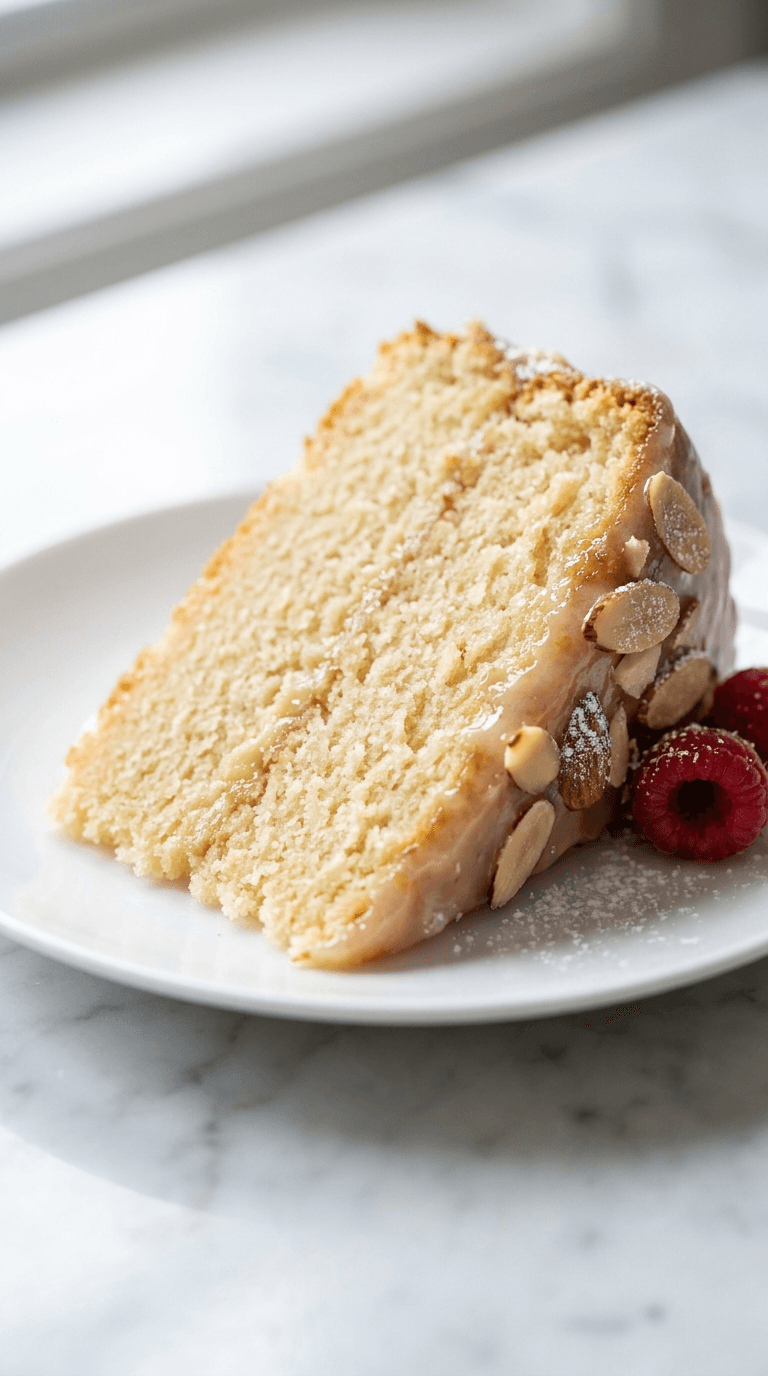
Almond Flour Birthday Cake
Discover an almond flour birthday cake that is moist, easy to bake, and naturally gluten-free. Learn tips for perfect texture and flavor.
Desserts Baking
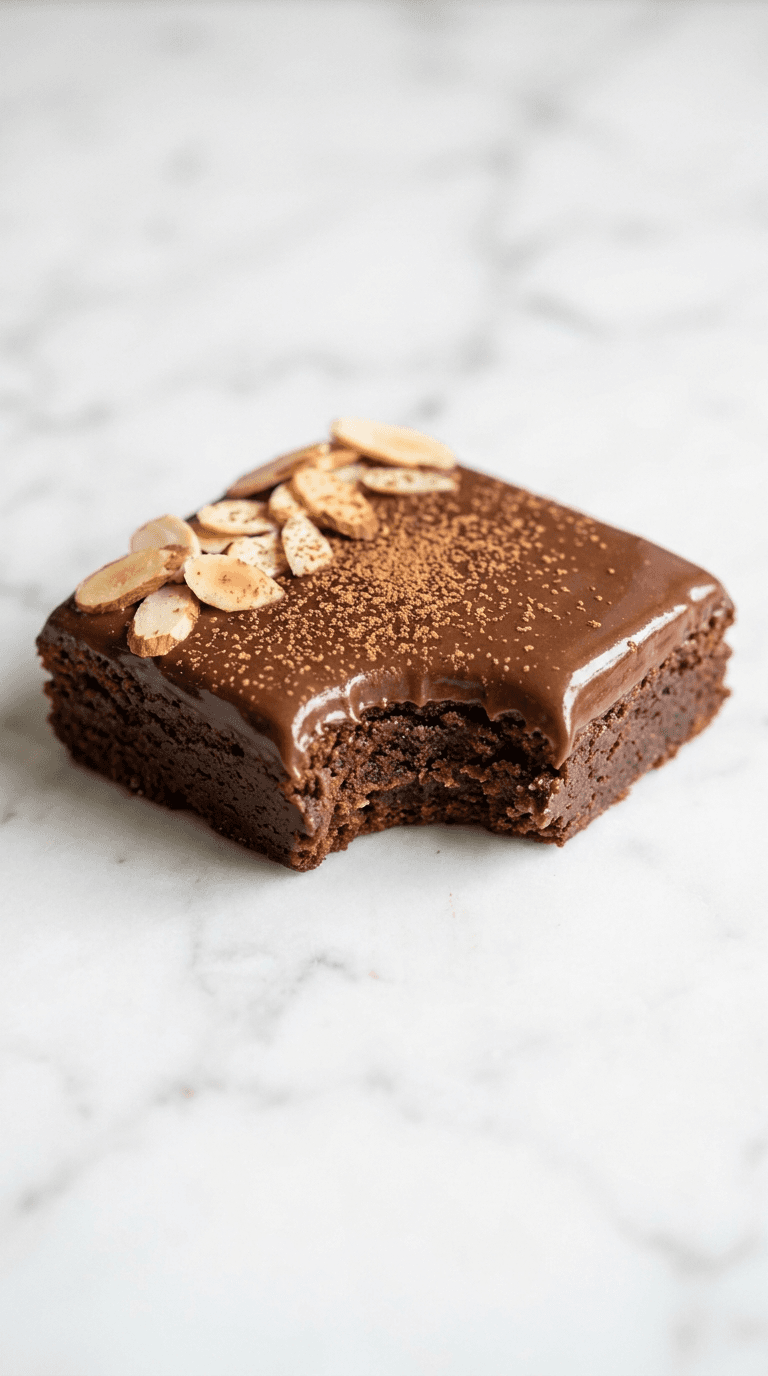
Almond Flour Brownies
Discover almond flour brownies that are fudgy, gluten-free, and easy to make with simple pantry ingredients.
Desserts Baking
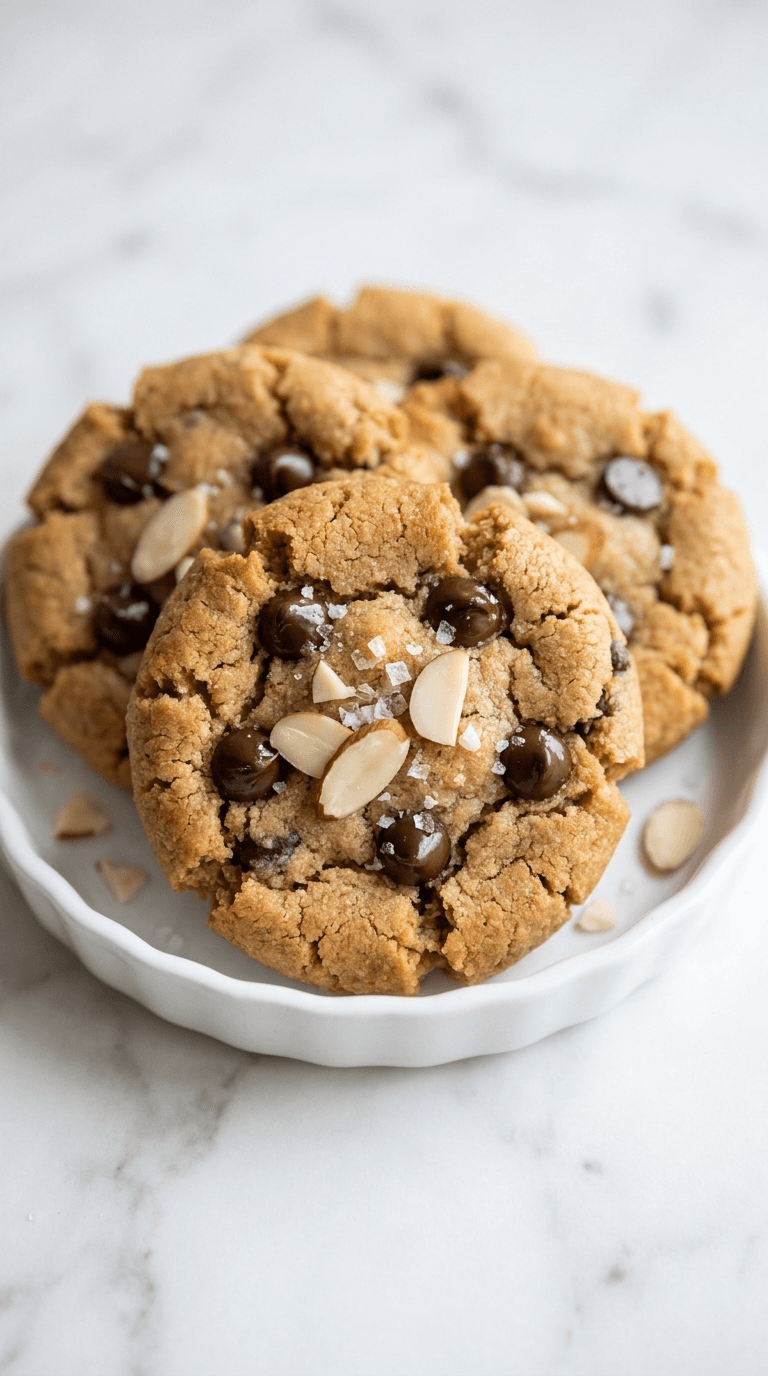
Almond Flour Chocolate Chip Cookies
Discover almond flour chocolate chip cookies that are gluten-free, soft, and indulgent with fewer carbs.
Desserts Baking
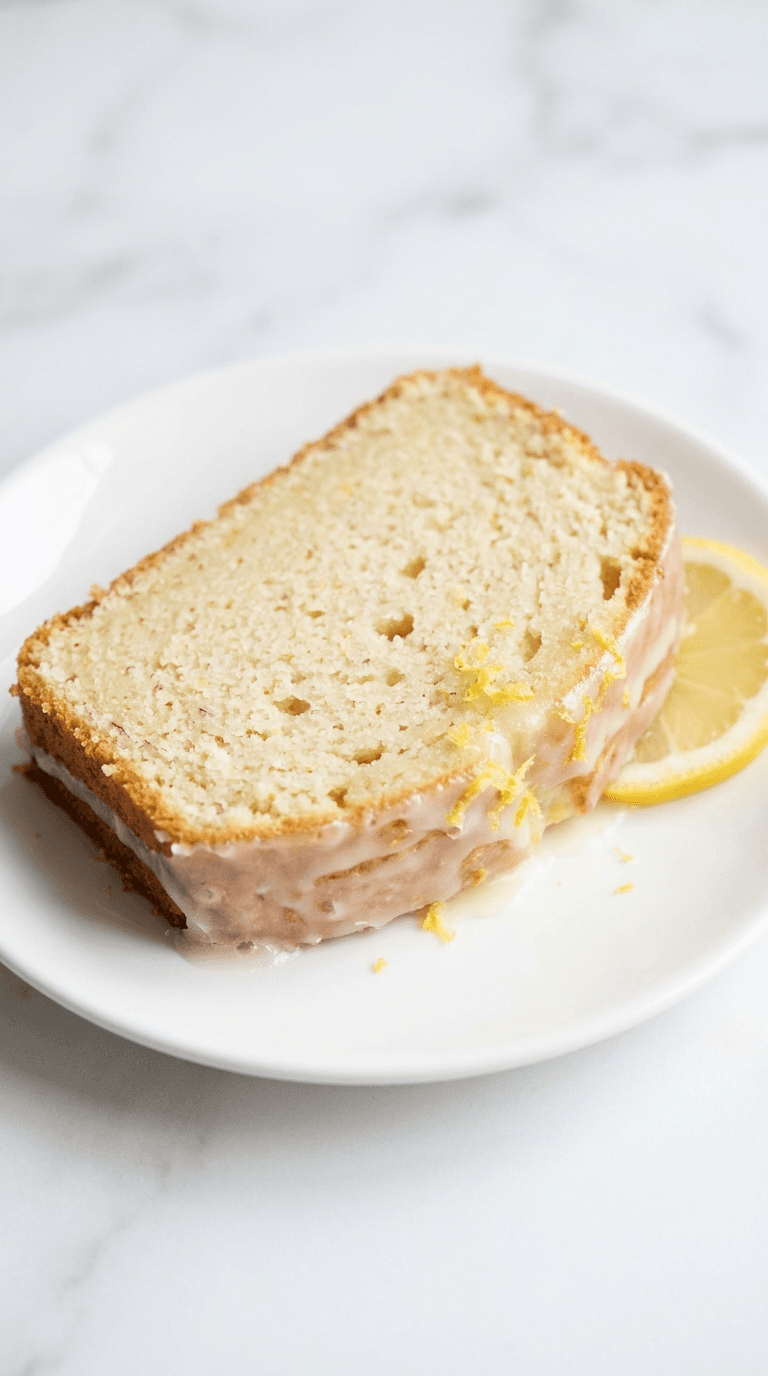
Almond Flour Lemon Pound Cake
Discover a light almond flour lemon pound cake that's moist, bright, and easy to bake with lemon zest and subtle sweetness.
Desserts Baking
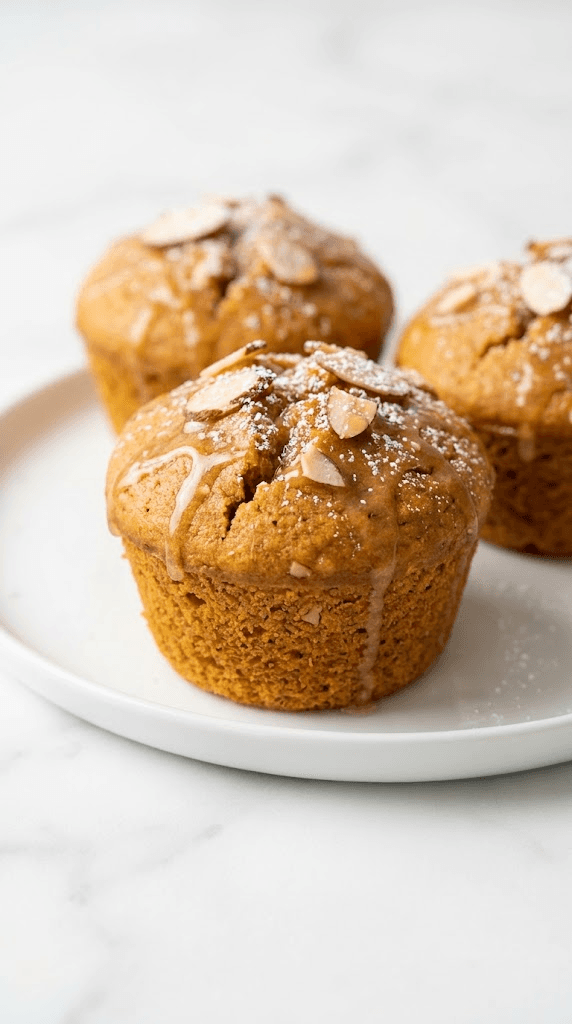
Almond Flour Pumpkin Muffins
Discover almond flour pumpkin muffins: moist, gluten-free treats with cozy pumpkin spice and simple ingredients.